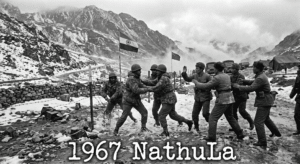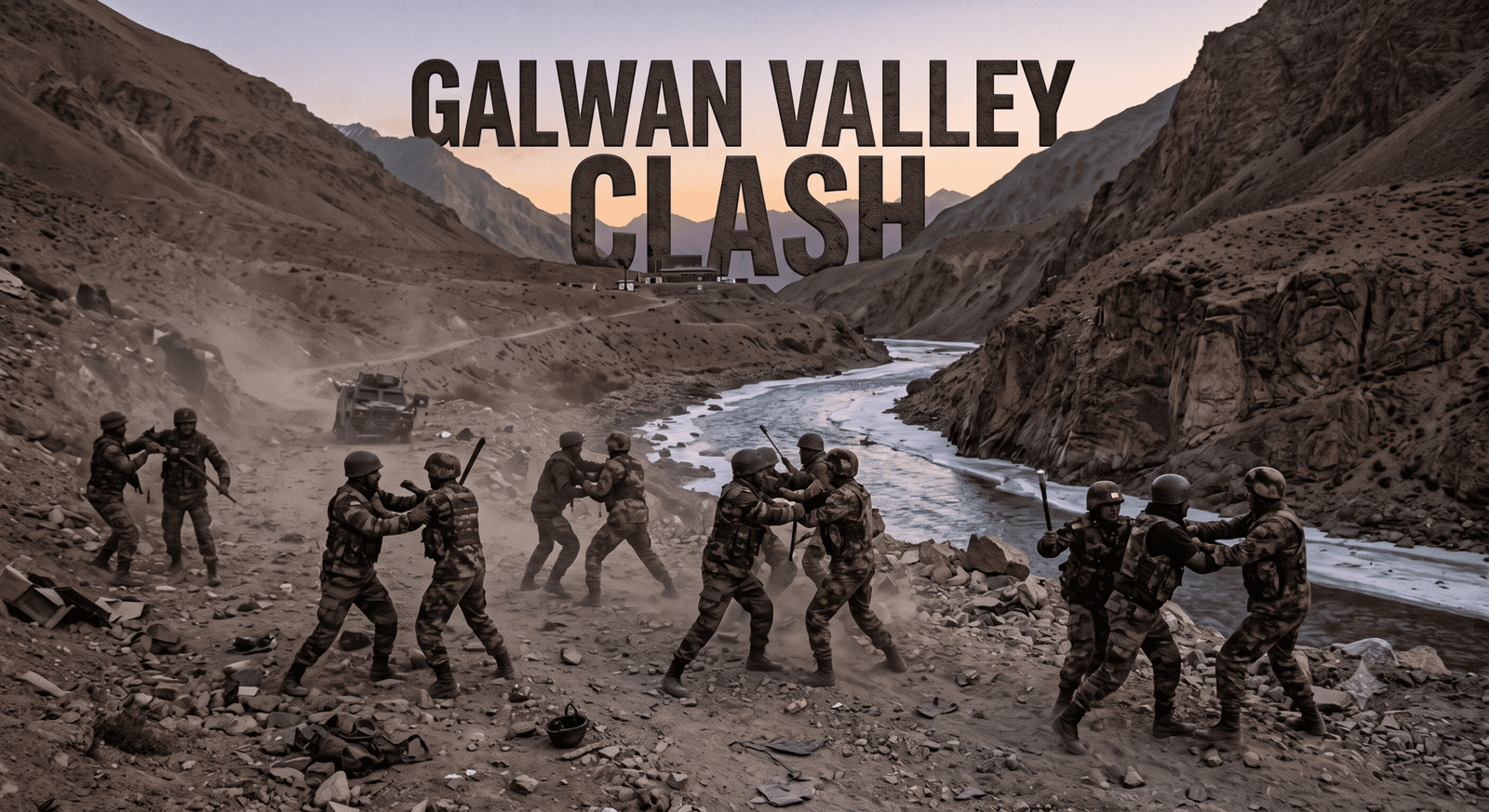
Galwan Valley Clash (2020) – Blood on the Border
Background
In early 2020, China increased troop movement across eastern Ladakh.
India noticed:
-
New Chinese tents
-
Roads and helipads
-
Forward patrols crossing perceived LAC
Multiple friction points emerged:
-
Pangong Tso
-
Hot Springs
-
Depsang
-
Galwan Valley
Why Galwan Valley Matters
-
Overlooks India’s Darbuk–Shyok–DBO Road
-
Critical for supply to Daulat Beg Oldi
-
Any loss here threatens India’s northern defense
The Night of June 15, 2020
Indian troops went to verify Chinese disengagement.
Instead, they were ambushed.
No guns were used—but the fight was more brutal than gunfire.
Weapons included:
-
Nail-studded clubs
-
Iron rods
-
Barbed wire bats
Extreme Conditions
-
Pitch darkness
-
Sub-zero temperatures
-
Steep cliffs
-
Fast-flowing icy river
Many soldiers fell into the Galwan River and died of hypothermia.
Casualties
-
20 Indian soldiers martyred
-
Including commanding officer Colonel Santosh Babu
-
China later acknowledged casualties but kept numbers secret
National Shock
India mourned—but also responded.
Actions taken:
-
Massive troop deployment
-
Fighter jets forward-based
-
Economic retaliation (app bans)
-
Border infrastructure accelerated
Long-Term Consequences
-
Trust between India and China severely damaged
-
Military disengagement talks continue even today
-
LAC became heavily militarized
Lesson
Peace without trust is fragile.
Sovereignty demands sacrifice.