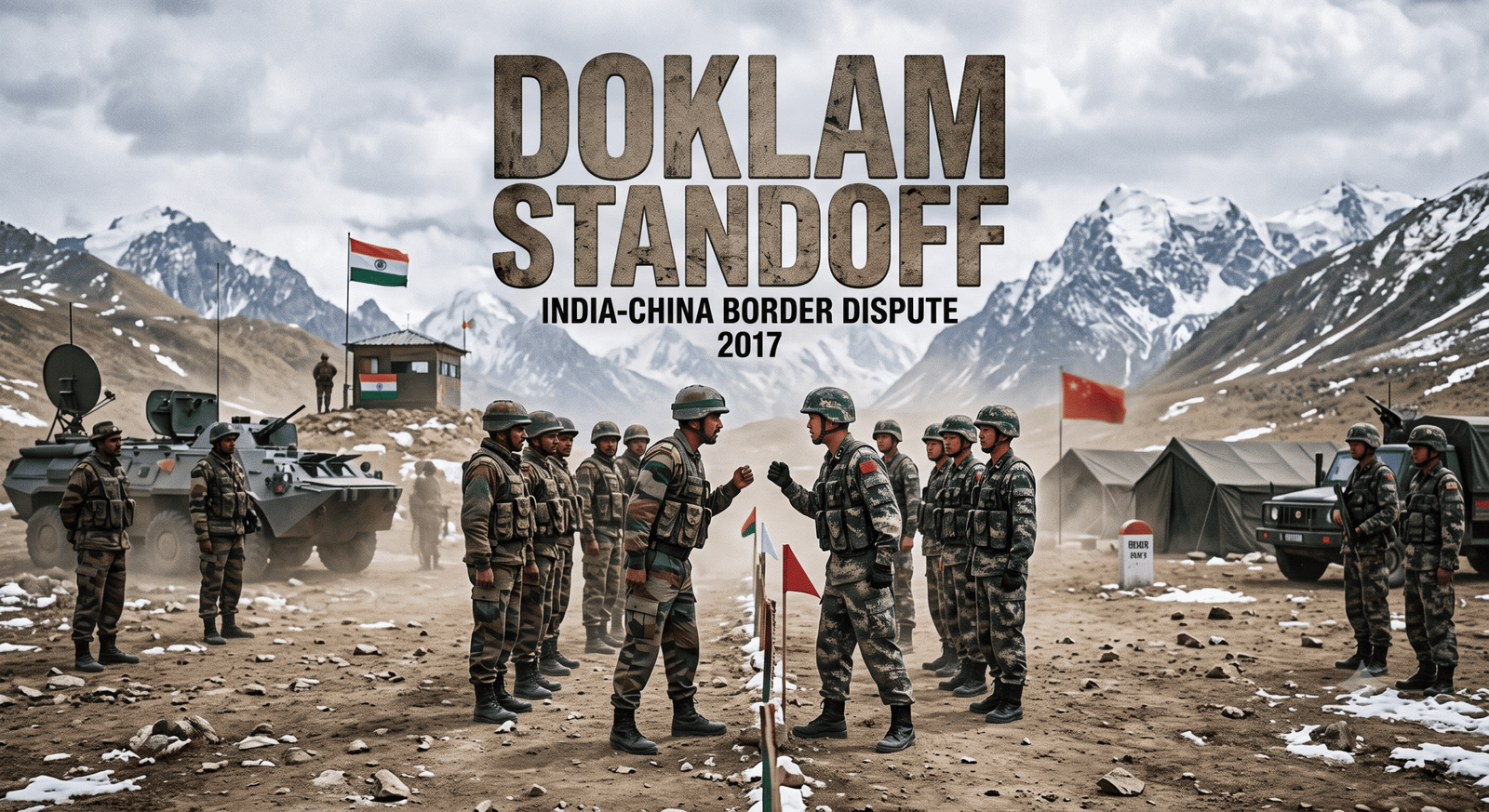
Doklam Standoff (2017) – War Without Weapons
Why Doklam Is Crucial
Doklam lies near the India–Bhutan–China tri-junction.
For India, this area protects the Siliguri Corridor — a narrow 22 km stretch connecting mainland India to the Northeast.
If threatened, India’s northeast could be cut off.
China’s Move
In June 2017, Chinese construction teams began building a motorable road toward the Jampheri Ridge.
This violated:
-
Bhutan–China agreements
-
India’s security red lines
India’s Response
India acted without firing a bullet.
Indian troops crossed into Doklam to physically block construction.
This was unprecedented.
73 Days of Extreme Tension
-
Troops stood face-to-face
-
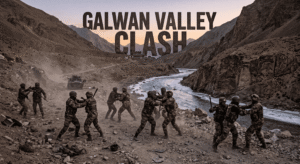
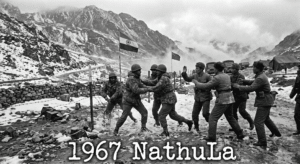
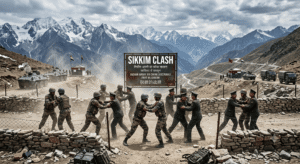
Physical pushing, shouting, stone throwing
-
Reinforcements rushed from both sides
-
Airfields activated
-
Missiles and artillery placed on alert
Media speculation suggested imminent war.
Diplomacy Behind the Scenes
While soldiers stared each other down, diplomats worked silently.
Backchannel talks involved:
-
India
-
China
-
Bhutan
Disengagement
On August 28, 2017, both sides announced disengagement.
China halted road construction.
India withdrew troops.
Why Doklam Changed Everything
-
India proved it would act beyond borders for security
-
China realized India would not back down easily
-
Modern conflict shifted toward hybrid warfare (military + diplomacy)
Lesson
Sometimes, the strongest message is delivered without violence.