Karwa Chauth History and Traditions
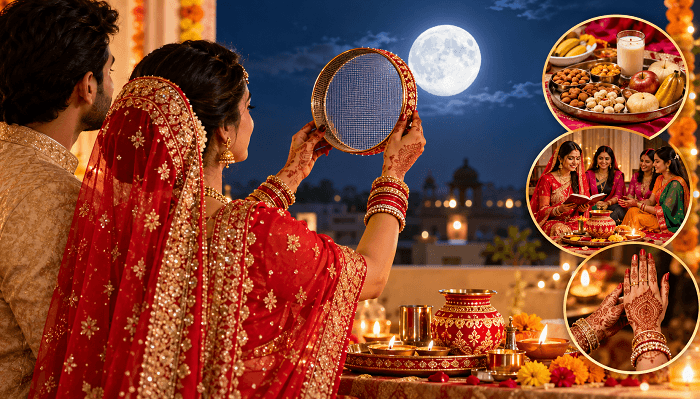
Karwa Chauth Beyond Fasting: History, Regional Rituals and Changing Traditions
Karwa Chauth is one of India’s most recognizable marital festivals, celebrated with decorated thalis, traditional clothing, family gatherings, and the much-awaited sighting of the moon. Yet, understanding Karwa Chauth history and traditions requires looking beyond the familiar image of a married woman observing a fast for her husband’s well-being.
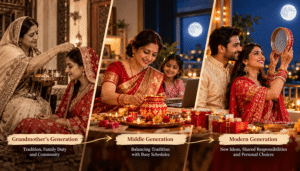
The festival reflects a combination of regional customs, religious beliefs, family stories, and changing ideas about marriage. While some households follow rituals passed down through generations, others adapt the celebration to modern lifestyles, shared responsibilities, and personal beliefs.
Exploring its cultural roots helps explain why Karwa Chauth remains meaningful to many families, even as the way people celebrate it continues to evolve.
Understanding Karwa Chauth History and Traditions
Karwa Chauth is traditionally observed on the fourth day after the full moon of the Hindu lunar month of Kartik, according to the commonly followed North Indian calendar. It usually falls in October or November.
The word Karwa refers to an earthen pot traditionally associated with water, while Chauth means the fourth day. The karwa has an important place in the festival’s rituals and symbolizes offerings, prayers, and traditional household customs.
The precise historical origin of Karwa Chauth is difficult to establish. Several explanations connect the festival with agricultural communities, seasonal practices, and the movement of married women between their marital and parental homes. These interpretations form part of its broader cultural history, although they should not be treated as a single proven explanation.
Over time, the festival became closely associated with prayers for a husband’s long life, marital well-being, and family prosperity. Stories about devoted wives, including the widely narrated tale of Veeravati, helped shape its religious and cultural meaning.
The Stories Behind Karwa Chauth Significance
Traditional stories often emphasize patience, devotion, faith, and the emotional bond between spouses. In the popular story of Queen Veeravati, her brothers trick her into believing that the moon has risen, causing her to break her fast prematurely. Her subsequent suffering and prayers eventually lead to a divine resolution.
The details of this story vary across oral traditions and regional retellings. Its continuing popularity demonstrates how storytelling has helped preserve the festival’s meaning within families.
For many participants, Karwa Chauth significance lies in more than a religious observance. It offers an opportunity to express affection, remember family traditions, and spend time with loved ones.
Karwa Chauth Rituals: From Sargi to Moonrise
Although practices vary between households, several rituals are widely associated with the celebration.
Sargi tradition: Sargi is a pre-dawn meal traditionally prepared or gifted by a mother-in-law to her daughter-in-law. It may include fruits, nuts, sweets, savoury foods, and other nourishing items. Some families also include clothing or jewellery as part of the gift.
Women generally eat Sargi before sunrise and then observe the fast according to their family’s customs. The meal also represents affection and the relationship between generations.
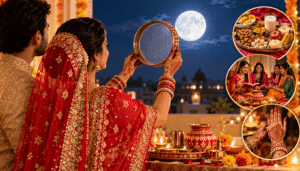
Preparing the puja thali: A decorated thali may contain a diya, kumkum, rice, sweets, a karwa, and other ritual items. Women gather to perform prayers, listen to the Karwa Chauth story, and exchange greetings.
Applying mehendi: Mehendi is a popular part of the celebration in many communities. Women may apply intricate designs the day before the festival, turning preparation into a social occasion.
Moonrise rituals: In many North Indian households, women wait for the moon, offer prayers, and view it through a sieve. Traditionally, they then look at their husbands through the sieve before breaking the fast. The exact sequence and accompanying prayers differ by family and region.
These rituals are cultural and religious practices rather than universal requirements. Families may follow different customs based on their beliefs and circumstances.
Regional Differences in Karwa Chauth Cultural History
Karwa Chauth is particularly prominent in Punjab, Haryana, Rajasthan, Uttar Pradesh, and parts of other North Indian states. However, there is no single version of the festival followed by every community.
In Punjab, the Sargi tradition is especially prominent in many families. The pre-dawn meal, colourful clothing, mehendi, and gatherings with other women often make the occasion a community celebration.
In Haryana, family participation and collective puja are important in many households. Women may gather to hear the traditional story and exchange ceremonial items.
In Rajasthan, some families incorporate local clothing, jewellery, decorative earthen pots, and distinctive household customs into the celebration. The details can vary considerably between communities.
In Uttar Pradesh, the festival may include family-specific prayers, the karwa exchange, traditional songs, and moonrise ceremonies. Local customs and interpretations influence how the rituals are performed.
These examples illustrate broad cultural patterns, not fixed rules. Urban families, rural households, and different caste or community groups may observe the same festival differently. Migration has also carried Karwa Chauth traditions to cities and countries far beyond their original regional settings.
How Modern Families Are Changing Karwa Chauth Traditions
Modern celebrations increasingly reflect personal choices, changing relationships, and practical realities.
One noticeable shift is the participation of husbands in the fast. Some couples observe it together as a shared expression of affection and commitment. Others choose a special dinner, exchange gifts, or spend the evening together without fasting.
Working professionals may simplify the puja, arrange family gatherings around office schedules, or celebrate through video calls when relatives live far away. Social media has also made mehendi designs, outfit ideas, recipes, and regional rituals easier to discover and share.
Another important change is the growing conversation about choice. For some women, fasting is a cherished spiritual practice. Others prefer not to fast because of personal beliefs, health considerations, pregnancy, demanding work schedules, or other circumstances.
Respecting these differences allows the festival to remain meaningful without making participation a measure of someone’s love or commitment.
Practical Tips for Celebrating Karwa Chauth Thoughtfully
- Plan Sargi in advance: Choose foods that suit individual preferences and dietary needs rather than copying someone else’s meal.
- Confirm family customs: Ask elders about the rituals your household follows, especially if traditions differ between families.
- Prepare the puja thali early: Keep commonly used items ready to avoid last-minute stress.
- Check local moonrise timing: Moonrise varies by location and date, so use a reliable local calendar or astronomical source.
- Prioritize well-being: Fasting can be unsuitable for some people. Those with medical conditions, pregnancy, or medication-related dietary requirements should seek appropriate medical advice before fasting.
- Keep celebrations inclusive: Couples and families can agree on rituals that feel comfortable and meaningful to everyone.
Common Mistakes to Avoid
One common misconception is that every woman must follow exactly the same rituals. Customs differ, and no single family’s practice represents the entire festival.
Another mistake is assuming that the festival has one definitively established historical origin. Its cultural development reflects multiple traditions and interpretations.
Finally, fasting should not be treated as proof of devotion. A respectful celebration recognizes personal choice and values the relationship beyond a single day’s ritual.
Why Choose StoryAccount for Cultural Stories?
At StoryAccount, we believe festivals are best understood through the history, traditions, and everyday experiences that give them meaning. Our cultural articles explore Indian heritage, regional customs, historical stories, and changing social practices in an accessible format.
Whether you are learning about Karwa Chauth for the first time or exploring traditions remembered from your childhood, StoryAccount aims to help you appreciate the diversity of India’s cultural landscape.
Explore more stories on Indian festivals, historical traditions, and the customs that continue to connect generations.
Conclusion: Keeping Karwa Chauth History and Traditions Meaningful
Understanding Karwa Chauth history and traditions reveals a festival shaped by storytelling, regional identity, family relationships, and evolving social values. From the Sargi tradition and ceremonial karwa to moonrise prayers and modern couples celebrating together, each practice reflects a different way of connecting with the occasion.
The festival does not need to look identical in every household to retain its significance. Some families preserve every inherited ritual, while others introduce new practices that better reflect their lives today.
What matters is understanding the customs, respecting individual choices, and keeping the celebration meaningful for those involved.
Want to discover more about India’s festivals and cultural heritage? Explore StoryAccount for more informative stories about the traditions, people, and history that shape Indian life.