Traditional Indian Artisans Festival Season
How Traditional Indian Artisans Prepare for the Festival Season
Long before festival lights appear in Indian markets, artisans are already working behind the scenes. Potters shape thousands of clay lamps, families paint decorative items by hand, and craftspeople prepare traditional ornaments for customers who want something meaningful for their celebrations.
The traditional Indian artisans festival season is not simply a busy shopping period. For many craft workers, it is a crucial time to earn income, preserve inherited skills, and keep regional traditions alive. Months of preparation may depend on weather, raw material prices, available workspace, and whether orders arrive on time.
From clay diya makers in India to artisans creating handmade decorations, these workers turn ordinary materials into objects associated with worship, celebration, and family memories. Understanding their work reveals a side of India’s festivals that often goes unnoticed.
1. How Traditional Indian Artisans Prepare for Festival Season
For many artisans, festival preparation starts well before the first major celebration. Diwali, Durga Puja, Navaratri, and other regional festivals create demand for different products, each with its own production schedule.
A potter may begin preparing clay lamps weeks in advance, while a textile artisan needs time to weave, dye, or embroider fabric. Craftspeople making wooden toys, brass lamps, or decorative wall hangings must also estimate how much stock they can produce without wasting materials.
Planning production around festival demand
Experienced artisans often rely on previous years’ sales, local market feedback, and orders from shopkeepers. However, demand can be difficult to predict. A product that sells quickly in one neighbourhood may receive little interest elsewhere.
Small producers must balance three priorities: making enough goods, maintaining quality, and completing orders before the festival begins.
A late delivery can mean lost sales because many festive products have a narrow selling window. Unlike everyday household items, unsold seasonal decorations may need to be stored for months before demand returns.
2. Clay Diya Makers in India: Turning Earth into Festival Lights
Clay diya makers India has become an important search topic during the festive season because traditional earthen lamps remain closely associated with Diwali and other religious celebrations.
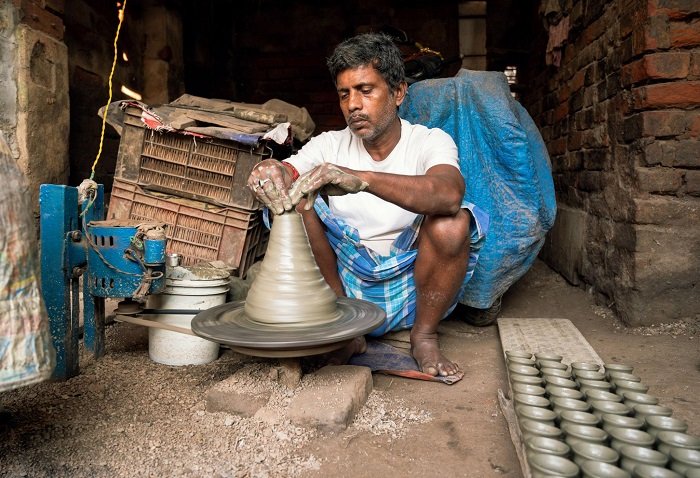
For potters, the process starts with suitable clay. Depending on the local material and technique, it may need cleaning, mixing, kneading, and preparation before shaping.
The lamps are formed by hand or on a potter’s wheel, dried carefully, and fired in a kiln or traditional firing setup. Some are sold in their natural terracotta colour, while others receive paint or decorative finishes.
Why weather matters to potters
Drying is one of the most important stages. Excess moisture can weaken unfired lamps, while uneven drying may cause cracking. Rain and high humidity can slow production, particularly for artisans who depend on open-air drying spaces.
The economics can also be challenging. Clay, fuel, transport, packaging, and labour all contribute to the final cost. When customers compare handmade diyas with mass-produced alternatives based only on price, they may overlook the work involved in producing each piece.
Buying directly from local potters, where possible, can help customers discover traditional designs and understand the effort behind handmade products.
3. Indian Handicrafts: More Than Decorative Objects
Festival markets feature a wide range of Indian handicrafts, including embroidered textiles, carved wooden decorations, metal lamps, handmade toys, and woven baskets.
These products often reflect regional materials and specialised skills. A craft developed around locally available wood may look very different from one based on bamboo, clay, cotton, or metal.
For artisan families, preparing for festival demand may involve several people performing different tasks. One person shapes the product, another paints or polishes it, and another handles packaging or customer orders.
This division of work helps families manage large orders while maintaining familiar production methods.
However, traditional crafts are not frozen in time. Artisans may adapt colours, patterns, sizes, and finishes to suit contemporary homes while retaining the defining techniques of their craft.
4. The Potter Community and the Economics of Seasonal Work
For many members of the potter community, festivals provide an important opportunity to increase sales. Yet high demand does not automatically translate into higher profits.
Consider a hypothetical potter who produces 2,000 diyas. The money received from sales must cover clay, fuel, labour, transport, packaging, damaged stock, and any fees charged by intermediaries or market organisers.
If costs rise unexpectedly or many lamps remain unsold, the final earnings may be much smaller than the total sales figure suggests.
The challenges behind a busy season
Common difficulties include:
- Rising input costs: Fuel, clay preparation, paint, and packaging can become more expensive.
- Uncertain demand: Producing too much stock creates the risk of unsold inventory.
- Limited working capital: Artisans may need to purchase materials before receiving payment.
- Competition: Factory-made alternatives can put pressure on prices.
- Access to customers: Small producers may depend on local traders instead of selling directly.
Advance orders, transparent pricing, and reliable payment schedules can make a meaningful difference. Customers can also support craftspeople by avoiding unrealistic last-minute discounts on labour-intensive products.
5. Traditional Festival Crafts: Preserving Skills Across Generations
Traditional festival crafts carry knowledge that is often learned through observation and practice rather than written instructions.
A young family member may learn how to judge clay consistency, mix natural colours, weave a pattern, or finish a wooden object by watching an experienced craftsperson.
This process preserves practical knowledge, but it also faces challenges. Younger people may choose other occupations if craft earnings remain unpredictable or working conditions are difficult.
Supporting artisans means helping their skills remain commercially viable, not simply praising tradition.
Customers can look for handmade products at local craft fairs, artisan cooperatives, community markets, and reputable direct-sale platforms. When possible, ask about the material, region of origin, and whether the item was handmade or factory-produced.
These questions encourage transparency and help distinguish genuinely handcrafted work from products marketed with vague cultural labels.
6. How to Support Artisans During the Festival Season
Small purchasing decisions can help artisans reach customers and plan their businesses more effectively.
- Buy early: Early purchases help reduce last-minute pressure and give artisans a clearer indication of demand.
- Order directly where practical: Buying from a craftsperson or cooperative can improve visibility into who made the product and how it was produced.
- Pay fair prices: Handmade goods require time, skill, and materials. Avoid treating the lowest price as the only measure of value.
- Share artisan stories accurately: With permission, share the maker’s name, craft, location, and process on social media.
- Choose durable products: Reusable decorations and well-made crafts may provide value beyond one celebration.
- Ask before photographing: Seek permission before photographing artisans, their workshops, or their families.
One common mistake is assuming that every handmade item is automatically sustainable or ethically produced. Materials, working conditions, firing methods, and supply chains vary. Ask respectful questions rather than making assumptions.
Why Choose StoryAccount for Indian Cultural Stories?
At StoryAccount, we explore India’s festivals, regional traditions, history, biographies, and travel through engaging storytelling.
Our aim is to help readers look beyond the visible celebration and understand the people, skills, and cultural practices behind it. Stories about artisans can bring attention to traditional knowledge while encouraging readers to appreciate the effort involved in handmade products.
We believe cultural heritage is best understood through accurate information, regional context, and the voices of the people who preserve it.
Conclusion: Keep Traditional Indian Crafts Alive
The traditional Indian artisans festival season represents months of planning, skilled work, and financial uncertainty behind the products that make celebrations special. Clay diya makers, textile workers, potters, and other craftspeople help preserve India’s cultural identity while supporting their households through seasonal trade.
Their work deserves more than admiration during festival shopping. It deserves fair prices, thoughtful purchasing, accurate storytelling, and opportunities to reach customers throughout the year.
This festive season, consider buying at least one handmade item from a local artisan. Ask about its origin, learn how it was made, and share the story with others.
Explore more stories on StoryAccount to discover India’s festivals, traditional crafts, and the people keeping cultural heritage alive.
Frequently Asked Questions
1. When do Indian artisans start preparing for the festival season?
Preparation varies by craft and region. Many artisans begin weeks or months before major festivals to source materials, produce stock, dry or finish products, and arrange orders with retailers.
2. How do clay diya makers in India prepare lamps for Diwali?
Potters prepare clay, shape the lamps, dry them, and fire them using suitable methods. Some then paint or decorate the finished diyas before packing them for sale.
3. What challenges does the potter community face during festivals?
Common challenges include rising raw material and fuel costs, unpredictable demand, limited working capital, competition from mass-produced goods, and unsold seasonal inventory.
4. How can consumers support traditional Indian artisans?
Consumers can buy directly from artisans or cooperatives, pay fair prices, place orders early, choose well-made products, and share verified information about the crafts and their makers.
5. Why are traditional festival crafts important to Indian culture?
Traditional crafts preserve regional designs, practical skills, local materials, and knowledge passed between generations. They also connect contemporary celebrations with the cultural history of the communities that produce them.