Benefits of Chyawanprash: For Immunity and Energy
About – What is Chyawanprash?
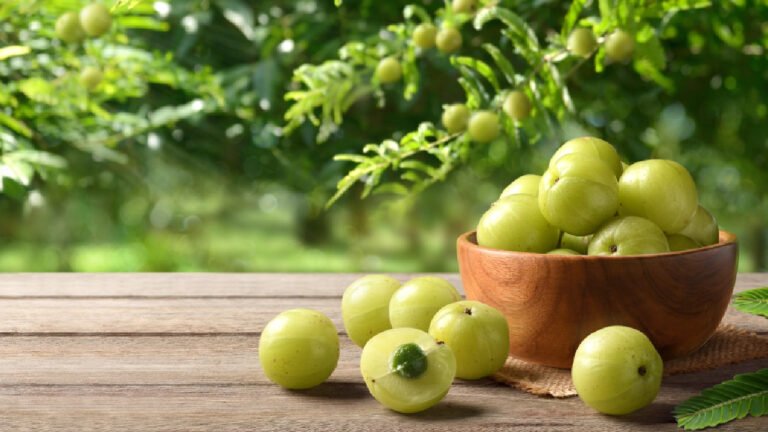
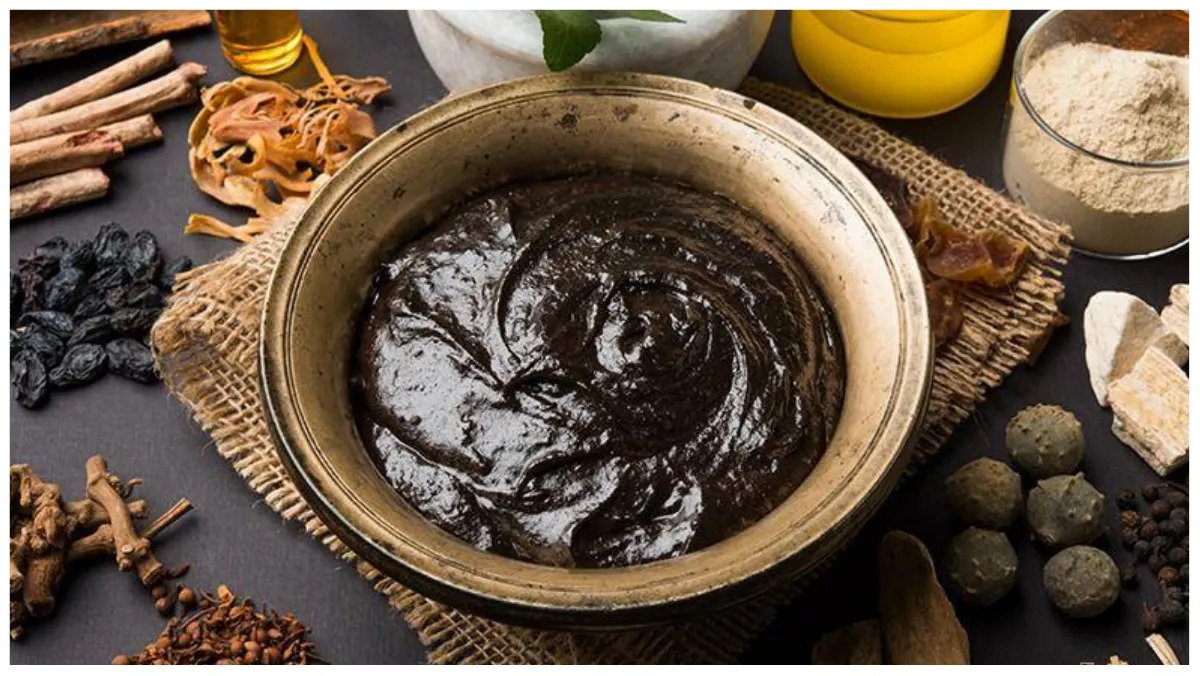
Chyawanprash is a renowned traditional Ayurvedic medicinal preparation. It primarily utilizes **Amla** (Indian gooseberry) along with various herbs, spices, and other traditional ingredients. It is consumed to support general health, energy levels, and immunity.
Conditions Where It Is Useful
Traditionally, Chyawanprash is used for the following health issues:
* General weakness and fatigue
* Common ailments associated with seasonal changes
* Common issues related to the cold and flu
* Relief from cough and throat discomfort
* Supporting digestive health
* Supporting the body’s overall immunity
* Maintaining energy and strength
1. Cold and Cough
In Ayurveda, Chyawanprash is traditionally used to support respiratory health. It is consumed as part of the diet to help manage common colds, coughs, and throat discomfort that occur during seasonal transitions.
2. Weakness and Fatigue
Chyawanprash contains Amla and various herbs; consequently, it is traditionally used to support the body’s energy and overall strength. When combined with a regular, balanced diet, it can be beneficial for general health.
Ingredients
The ingredients in Chyawanprash may vary across different products. Generally, it includes:
* Amla (Indian gooseberry)
* Honey
* Ghee (clarified butter)
* Jaggery or sugar
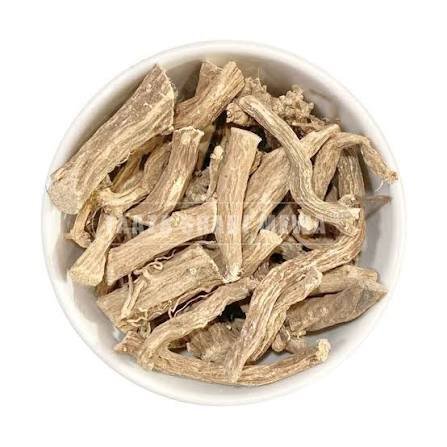
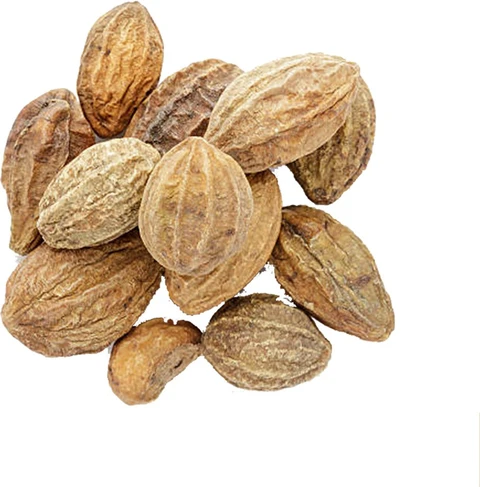
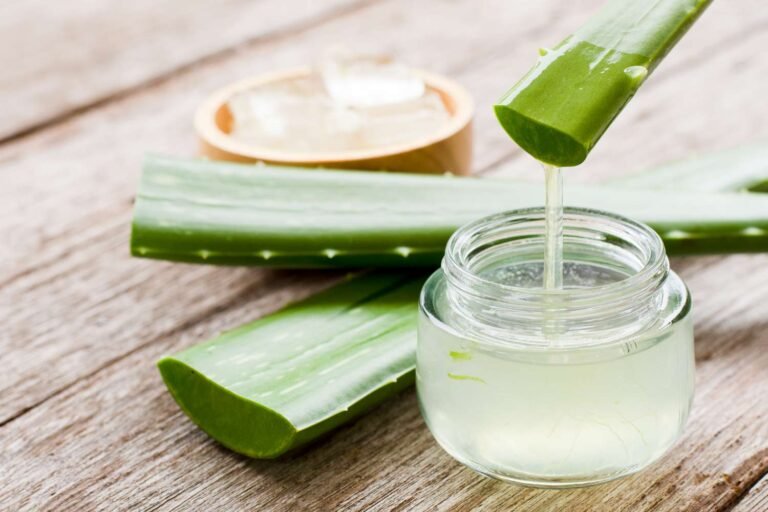
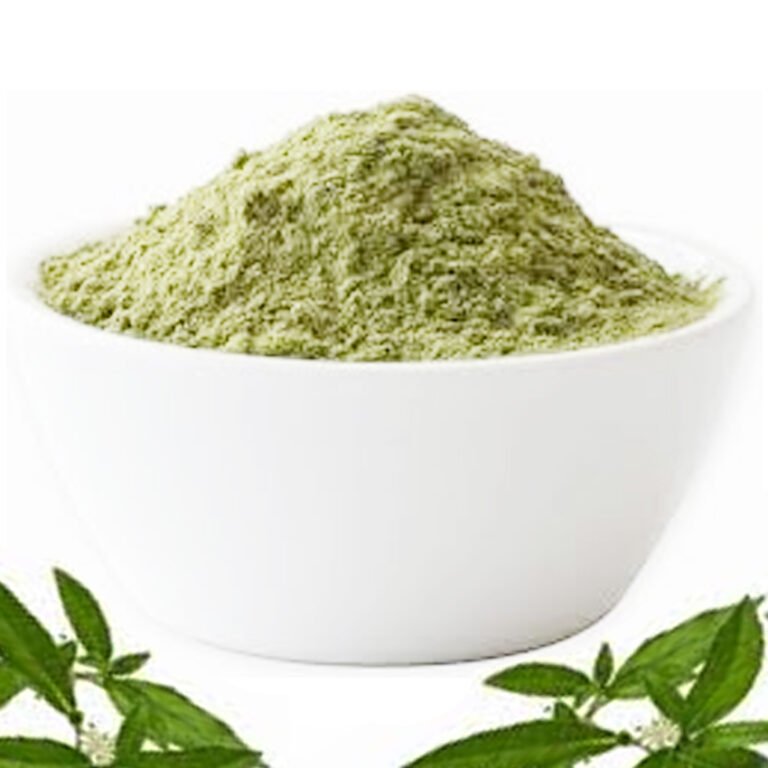
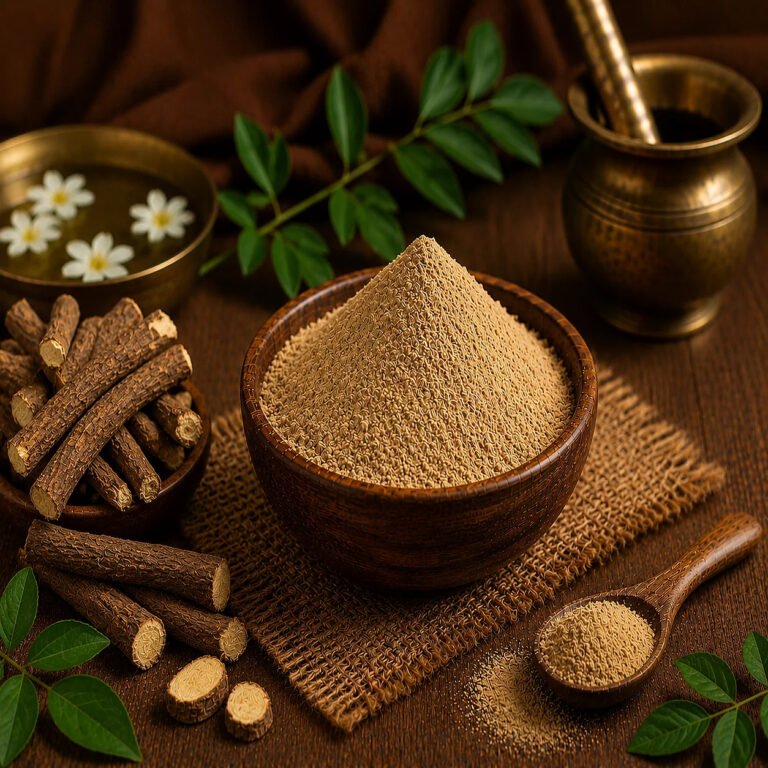
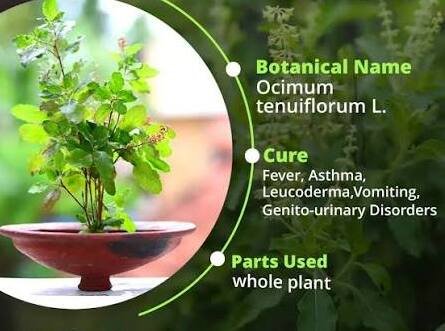
* Various Ayurvedic herbs
* Spices and aromatic substances
Preparation Method
Traditionally, Amla is cooked to prepare a pulp. Subsequently, Chyawanprash is made by blending this pulp with a mixture of various herbs and spices, along with ghee, honey, and other ingredients, using a specific traditional process. Preparing traditional Chyawanprash at home can be difficult; therefore, it is better to choose a “trusted and certified product” when buying from the market.
How to Use
Chyawanprash should be consumed “according to the product instructions”. Healthy adults generally take about “1–2 teaspoons” of Chyawanprash, which can be consumed directly or with lukewarm milk.
Children, the elderly, pregnant women, individuals with diabetes, or those taking regular medication should consult a doctor or a qualified Ayurveda expert before consumption.
**Important:** The content of sugar, jaggery, and other ingredients may vary across different Chyawanprash products, so be sure to check the product label.
Benefits of Chyawanprash
* May support the immune system.
* May help maintain general energy and strength.
* May help with common issues associated with seasonal changes.
* May support respiratory health.
* May support digestive health.
* May help maintain overall health and well-being.
Safety Precautions
* Individuals with diabetes should consult a doctor before choosing low-sugar or sugar-free products.
* Do not consume in excess.
* Give children only the appropriate amount based on their age.
* Check the ingredient list if you have allergies to any specific ingredients.
* Consult a doctor or Ayurveda expert before consumption during pregnancy, breastfeeding, or if suffering from any medical condition.