Benefits of Cinnamon
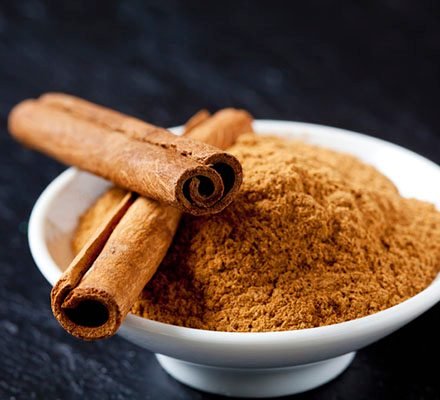
Benefits of Cinnamon: For Digestion and General Health
Introduction – What is Cinnamon?
Cinnamon is an aromatic spice that has long been used in Ayurveda and traditional medicine. It is used to support digestion and general health, and to help with issues like gas.
Useful for:
Indigestion
Gas and bloating
Loss of appetite
Digestive discomfort
Common cold-related discomfort
General health
Enhancing the flavor and aroma of food
1. Digestion and Gas
Cinnamon is traditionally used to support the digestive system and alleviate common issues such as gas and bloating.
2. Use During Cold Weather
Cinnamon is used in hot beverages and home remedies. It serves as a soothing drink for throat discomfort and issues associated with the common cold.
Ingredients
Small piece of cinnamon or cinnamon powder
1 cup water
A little honey (optional)
Ginger (optional)
Preparation Method
Boil a cup of water.
Add the small piece of cinnamon.
Simmer on low heat for about 5–10 minutes.
Strain and let it cool until lukewarm.
Add a little honey if desired.
How to Use
Cinnamon can be used in moderate amounts in food or tea. When taking it in medicinal forms like powder or extract, follow the product instructions.
Healthy adults aged 18–59 can use small amounts in their regular diet. It is advisable to consult a doctor or a qualified Ayurvedic practitioner before consuming large quantities or using it for medicinal purposes.

Benefits of Cinnamon
Supports digestive health
Helps with gas and bloating
Traditionally used for indigestion
Supports appetite and normal digestion
Useful as a hot beverage during cold weather
Enhances the flavor and aroma of food
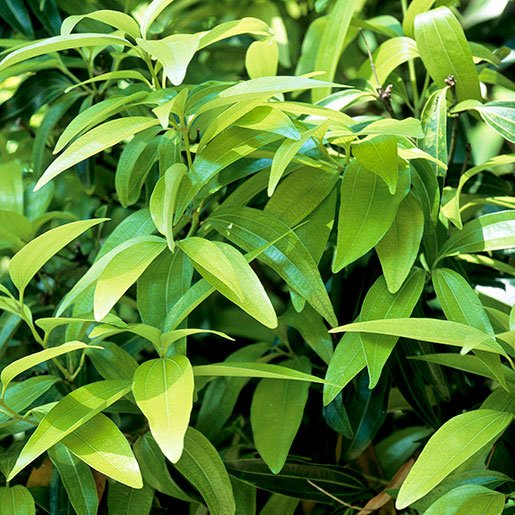
Safety Precautions
Do not consume excessive amounts of cinnamon.
Avoid consuming large quantities over a prolonged period. Individuals with liver-related conditions should consult a doctor before consuming large amounts.
Seek medical advice before taking medicinal doses during pregnancy.
Individuals on regular medication should consult a doctor before taking large amounts or using it as a supplement.
Do not administer medicinal doses to children without expert advice.
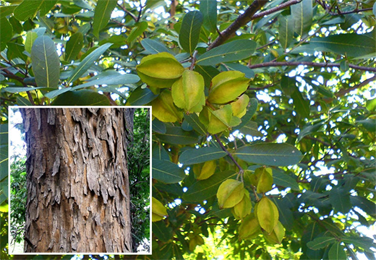
Benefits of Arjuna Bark
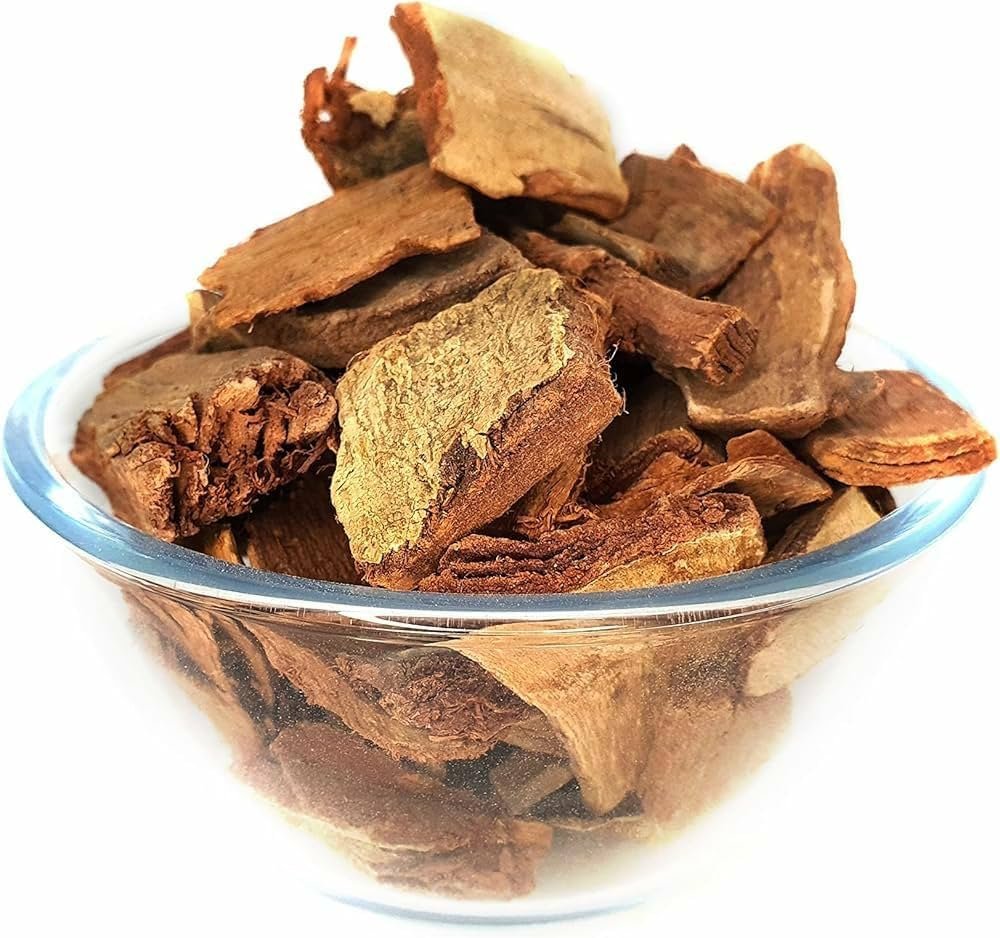
Benefits of Arjuna Bark: For Heart and General Health
Introduction – What is Arjuna Bark?
Arjuna bark is a well-known Ayurvedic medicinal ingredient. In Ayurveda, it is traditionally used to support heart health and general physical well-being.
Conditions where it is useful:
General heart health
Physical weakness
Fatigue
Supporting healthy blood circulation
Stress-related issues
General physical health
1. Heart Health
Arjuna bark has a long history of traditional use in Ayurveda for maintaining heart health. However, heart disease should not be treated solely with Arjuna bark.
2. Weakness and Fatigue
Arjuna bark is used to support the body’s overall strength and health. It is included in many traditional Ayurvedic formulations.
Ingredients
Dried Arjuna bark
Arjuna bark powder
1–2 cups of water
Preparation Method
Take clean, high-quality Arjuna bark.
Cut the bark into small pieces.
Add to water and boil over a low flame.
Strain the liquid once the water volume has reduced.
Consume while lukewarm.
How to Use
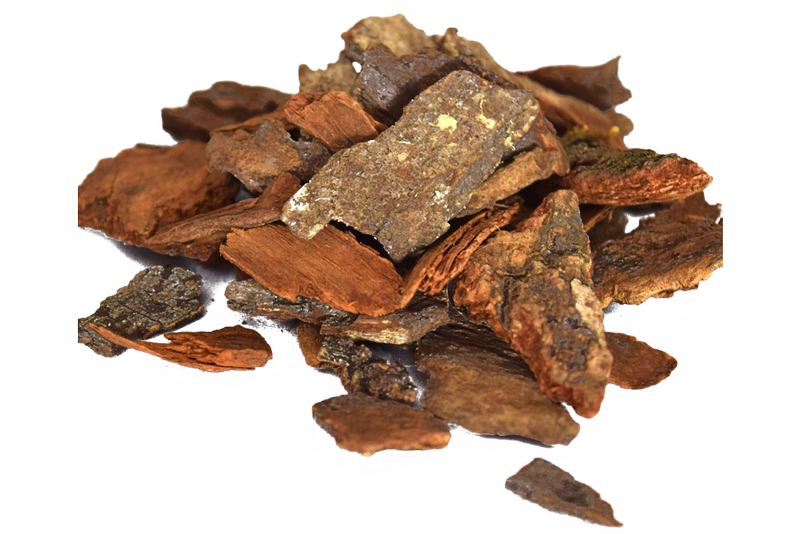
Arjuna bark powder or decoction (kadha) should be taken according to product instructions or the advice of a qualified Ayurvedic practitioner. The dosage depends on the individual’s health condition and the form of the product.
If you are taking regular medication for heart conditions, blood pressure, or other ailments, consult a doctor before starting the use of Arjuna bark.
Benefits of Arjuna Bark
Supports general heart health
Helps with physical weakness
Supports general energy and health
Traditionally used for healthy blood circulation
Supports general physical well-being
Safety Precautions
Do not replace heart disease medication with Arjuna bark.
Consult a doctor if you are taking medication for blood pressure or heart conditions.
Seek medical advice before consuming it during pregnancy or breastfeeding. Do not administer to children without expert advice.
Do not consume in excess.
Seek immediate medical attention if you experience symptoms such as chest pain, difficulty breathing, or a rapid heartbeat.
Benefits of Safed Musli
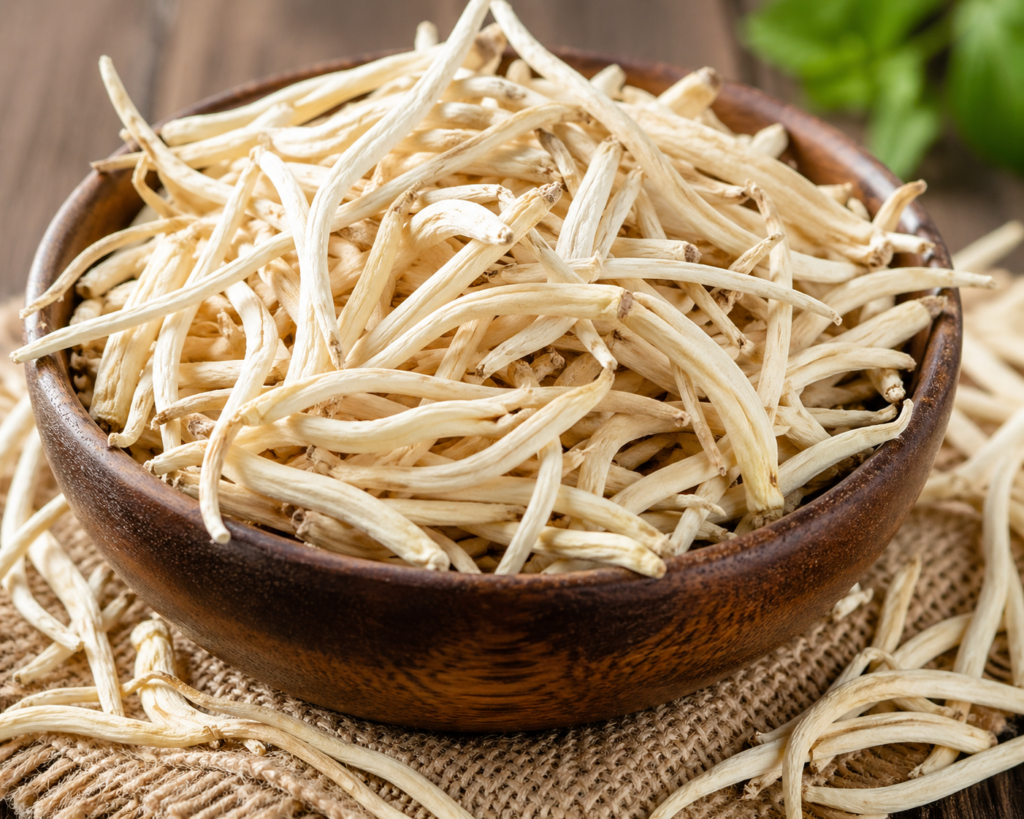
Benefits of Safed Musli: For Strength, Energy, and Men’s Health
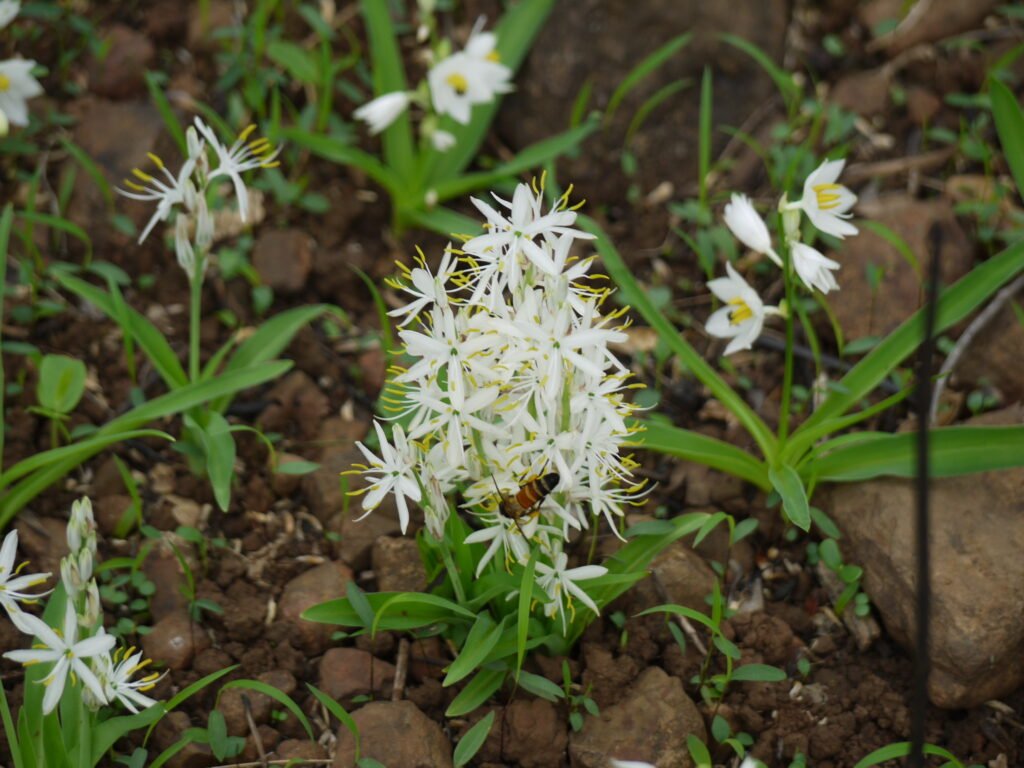
Introduction – What is Safed Musli?
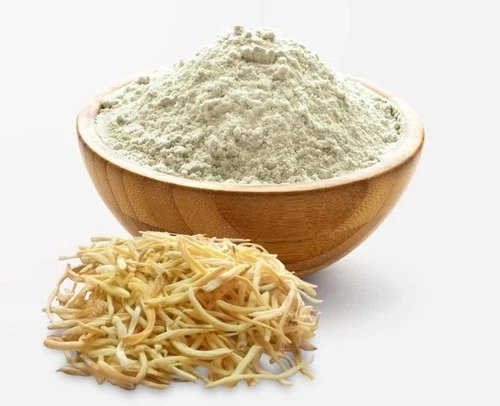
Safed Musli is a well-known Ayurvedic medicinal herb. Its roots are traditionally used to address physical weakness and to boost energy, general male health, and bodily nourishment.
Conditions where it is useful:
Physical weakness
Fatigue and low energy
General physical stamina
General men’s health
Post-exercise fatigue
Traditional use for bodily nourishment and strength
1. Weakness and Fatigue
Safed Musli is traditionally used to nourish the body and help alleviate general weakness and fatigue. In Ayurveda, it is classified as a nourishing herb.
2. Men’s Health
Safed Musli is traditionally used to support men’s general physical stamina and health. However, it should not be considered a definitive cure for any sexual or reproductive disorder.
Ingredients
Dried Safed Musli roots
Safed Musli powder
Warm milk or water (as required)
Preparation Method
Take high-quality dried Safed Musli roots.
Clean them and ensure they are thoroughly dried.
Once dried, grind them into a fine powder.
Store the powder in a clean, dry, airtight container.
For best results, use a certified and reliable product.
How to Use
Safed Musli powder or other products should be used according to the instructions provided on the packaging. Dosage and concentration may vary between different products.
Even healthy adults aged 18–59 should follow the product instructions for medicinal use. Children, adolescents, pregnant or breastfeeding women, and individuals taking regular medication should not consume it without consulting a doctor or a qualified Ayurvedic practitioner.
Benefits of Safed Musli
Helps with physical weakness
Supports general energy and strength
Traditionally used for fatigue
Beneficial for men’s general health
Supports physical stamina
Aids in general bodily nourishment
Safety Precautions
Do not consume in excess.
Do not consider this a substitute for prescribed medical treatment for any illness or sexual health issue.
Consult a doctor before taking medicinal doses during pregnancy or breastfeeding.
Do not administer to children or adolescents without expert advice.
Individuals on regular medication should consult a doctor before use.
Purchase only reliable, high-quality products.
If you experience allergies, stomach discomfort, or any unusual symptoms after consumption, discontinue use and seek medical advice.
Benefits of Kutki
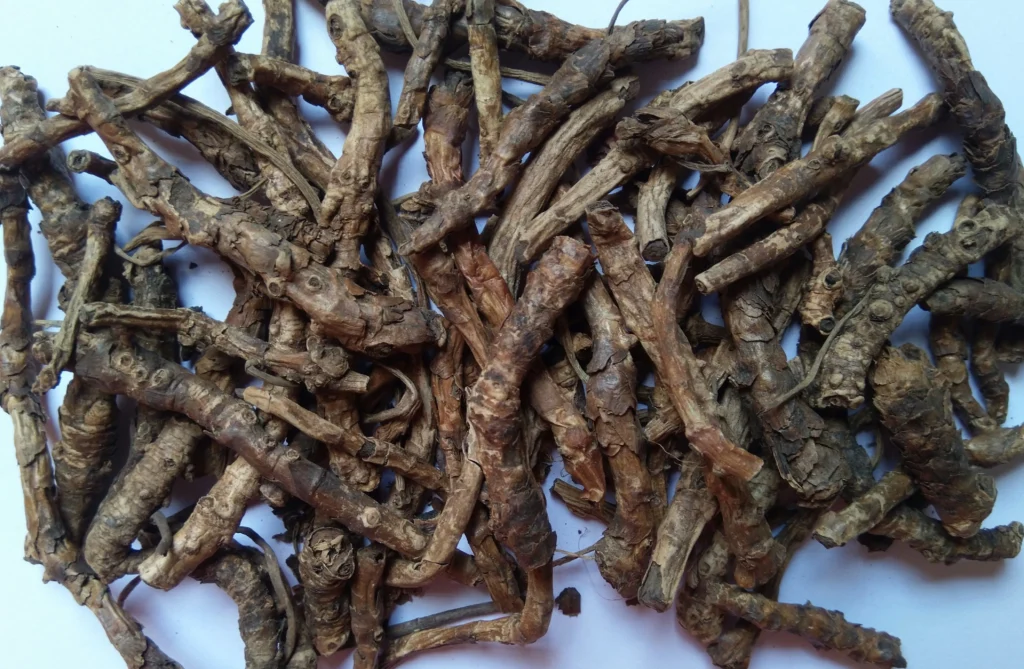
Benefits of Kutki: For Digestion and Liver Health
Introduction – What is Kutki?
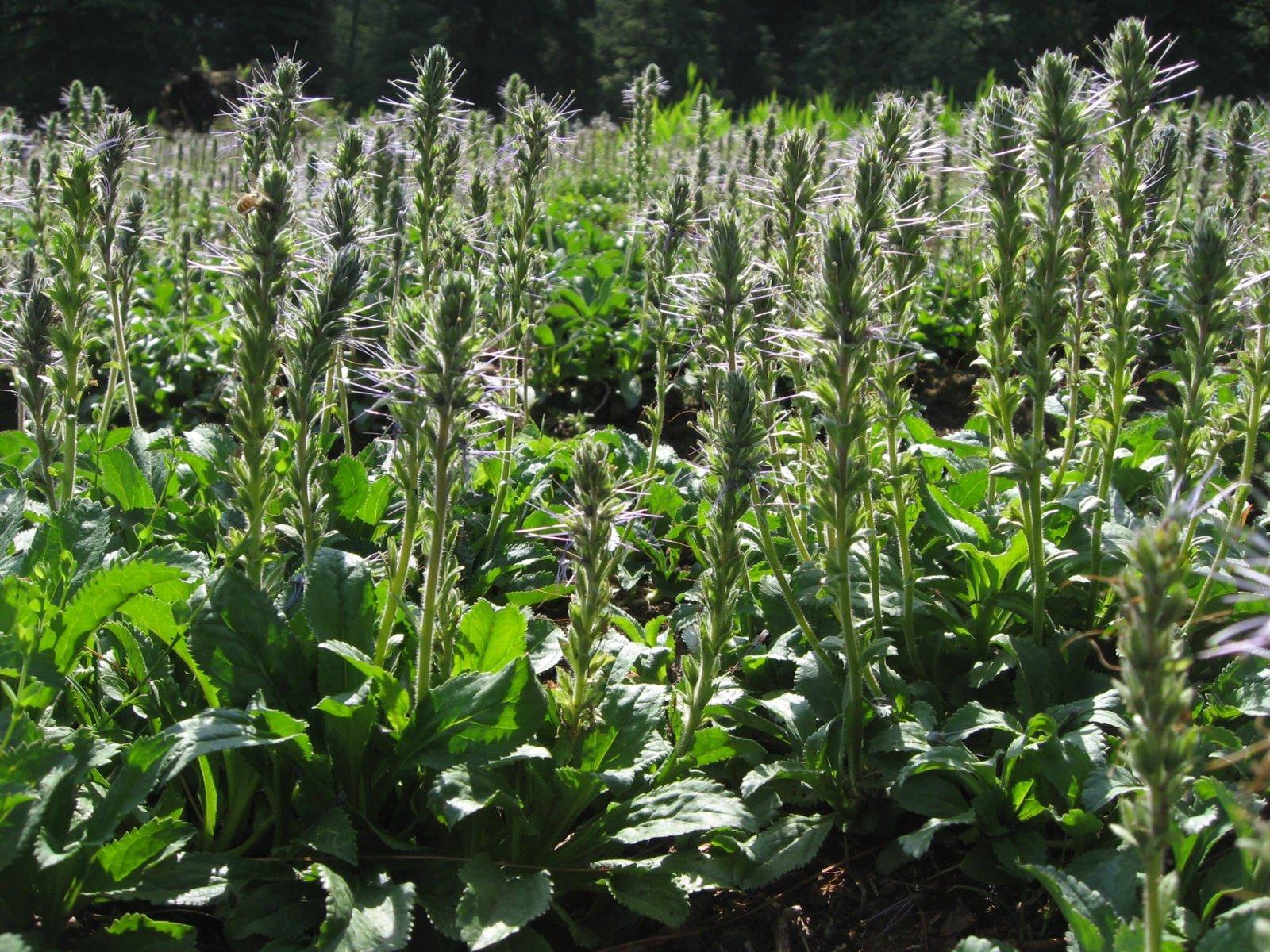
Kutki is a well-known Ayurvedic medicinal herb. In Ayurveda, its root is traditionally used primarily to support digestion, appetite, and general liver health.
Conditions where it is useful:
Digestive issues
Loss of appetite
Abdominal heaviness
Indigestion
General liver health
Assisting in the natural elimination of waste products from the body
Supporting general health and digestion
1. Digestion and Appetite
Kutki is traditionally used to support the digestive system and address common issues like loss of appetite. It is also used in Ayurvedic digestive formulations.
2. Liver Health
In Ayurveda, Kutki is traditionally used to maintain general liver health. However, one should not attempt to treat conditions like jaundice, fatty liver, or other liver diseases solely with Kutki.
Ingredients
Dried Kutki root
Kutki powder
Water (as required)
Preparation Method
Take good-quality dried Kutki.
Clean it and ensure it is thoroughly dry.
Grind it into a fine powder.
Store the powder in a clean, dry, airtight container.
For medicinal use, prioritize certified and reliable products.
How to Use
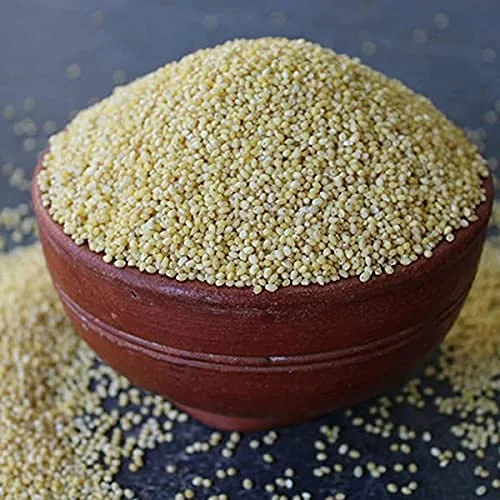
Kutki powder or other products should be used according to the instructions provided on the product label. The dosage may vary depending on the product’s quality and concentration.
Even healthy adults aged 18–59 should consult an expert before using it for medicinal purposes. Children, adolescents, pregnant or breastfeeding women, and individuals taking regular medication should not consume it without consulting a doctor or a qualified Ayurvedic practitioner.
Benefits of Kutki
Supports digestive health
Traditionally used to stimulate appetite
Helps with indigestion and a feeling of heaviness in the stomach
Traditionally used for general liver health
Supports overall digestion and well-being
Safety Precautions
Excessive consumption may cause diarrhea, stomach pain, or other digestive issues.
Do not start taking it on your own if you have liver disease.
Consult a doctor if you are taking regular medication.
Seek medical advice before taking it in medicinal doses during pregnancy or breastfeeding.
Do not administer to children without expert advice.
Contact a doctor immediately if symptoms such as jaundice (yellowing of the skin/eyes), dark urine, severe abdominal pain, or persistent vomiting occur.
Do not consider Kutki a substitute for prescribed liver disease medication.
Benefits of Gokshuru
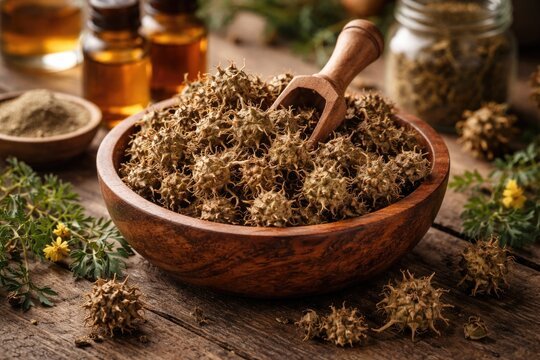
Benefits of Gokshuru: For Urinary and Men’s Health
Introduction – What is Gokshuru?
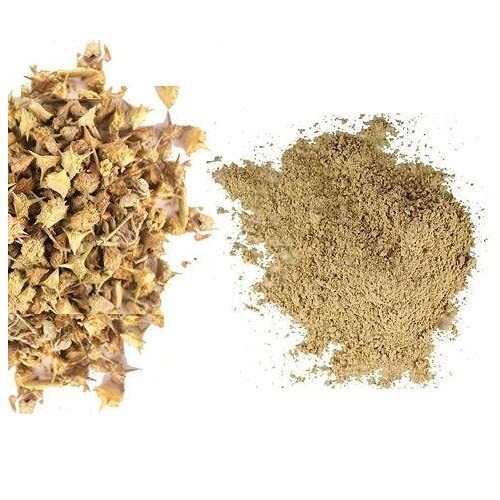
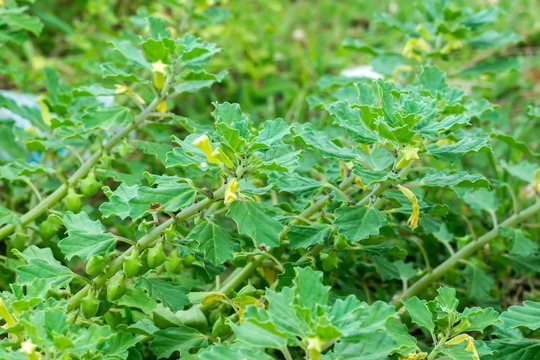
Gokshuru is a well-known Ayurvedic medicinal plant. In Ayurveda, its fruit and other parts are traditionally used to support urinary health, general physical strength, and men’s health.
Conditions where it is useful:
Common urinary issues
General urinary tract health
Traditional use for a burning sensation during urination
Supporting general men’s health
Physical weakness
General energy and strength
Traditional use for digestive health
1. Urinary Health
Gokshuru is traditionally used to support the general health of the urinary system. In Ayurveda, it is considered an herb with diuretic properties.
2. Men’s Health
In Ayurveda, Gokshuru is used to support men’s general physical vitality and health. However, it should not be considered a definitive cure for any sexual or reproductive disorder.
Ingredients
Dried Gokshuru
Gokshuru powder (Churna)
Water (as required)
Preparation Method
Take clean, high-quality dried Gokshuru.
Ensure it is thoroughly dried, then grind it into a fine powder.
Store the powder in a clean, dry, airtight container.
For medicinal use, prioritize certified and reliable products.
How to Use
Gokshuru powder or other products should be used according to the instructions provided on the product packaging. Dosage and concentration may vary between different products.
Healthy adults aged 18–59 should also follow the product instructions for medicinal use. Children, adolescents, pregnant or breastfeeding women, and individuals taking regular medication should not consume it without consulting a doctor or a qualified Ayurvedic practitioner.
Benefits of Gokhru
Supports urinary health
Promotes general urinary tract health
Traditionally used for common urinary issues
Traditionally used for men’s general health
Supports physical strength and energy
Aids in general health and nutrition
Safety Precautions
Consult a doctor immediately if you experience symptoms such as blood in the urine, severe pain, or urinary retention.
Individuals with kidney disease should not consume this without medical advice.
Those taking regular medication should consult a doctor first.
Seek medical advice before consuming medicinal doses during pregnancy or breastfeeding.
Do not administer to children without expert advice.
Do not consume in excess.
Do not consider Gokhru a substitute for prescribed medication for sexual or urinary disorders.
Benefits of Punarnava
Benefits of Punarnava: For Inflammation and Urinary Health
Introduction – What is Punarnava?
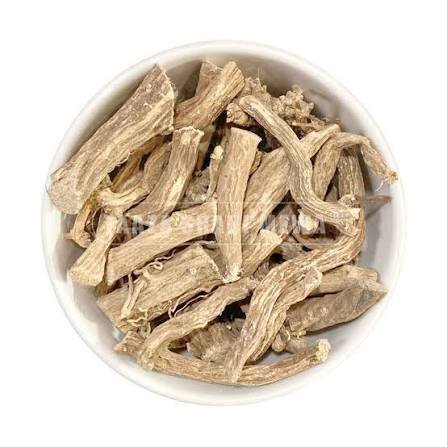
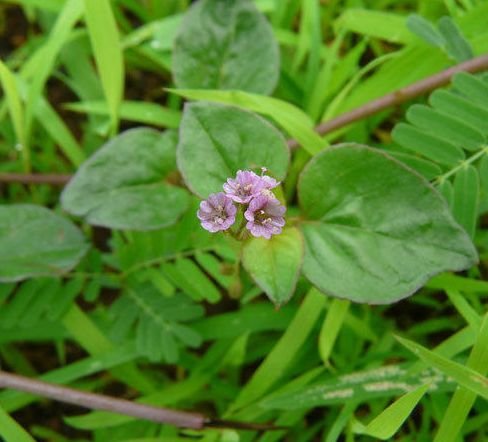
Punarnava is a well-known Ayurvedic medicinal plant. In Ayurveda, its roots and other parts are traditionally used to manage excess body fluid, support urinary health, aid digestion, and promote general well-being.
Conditions where it is useful:
Common urinary issues
Fluid retention in the body
Common issues related to inflammation
Digestive problems
Loss of appetite
General body weakness
General health and nutrition
1. Urinary Health
Punarnava is traditionally used to support the general health of the urinary system and manage common urinary issues. In Ayurveda, it is considered an herb with diuretic properties.
2. Inflammation and Fluid Retention
Punarnava is traditionally used to address excess body fluid and associated inflammation. However, sudden swelling in the legs, face, or body can also be a sign of a serious medical condition.
Ingredients
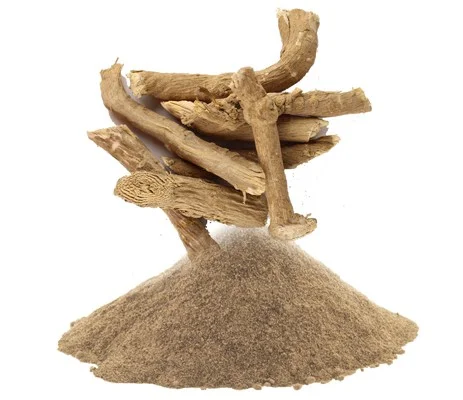
Dried Punarnava root
Punarnava powder
Water
Preparation Method
Take clean, high-quality dried Punarnava root.
Ensure it is thoroughly dried and grind it into a fine powder.
Store the prepared powder in a clean, dry, airtight container.
For medicinal use, prioritize certified and reliable products.
How to Use
Punarnava powder or other products should be used according to the instructions provided on the packaging. Dosage and concentration can vary between products; therefore, a single fixed dosage is not suitable for everyone.
Even healthy adults aged 18–59 should follow the product instructions before medicinal use. Children, adolescents, pregnant or breastfeeding women, the elderly, and individuals on regular medication should not consume it without consulting a doctor or a qualified Ayurvedic practitioner.
Benefits of Punarnava
Supports urinary health
Traditionally used for issues related to excess fluid retention in the body
Traditionally useful for reducing swelling/inflammation
Supports digestive health
Aids appetite and general digestion
Supports overall health and energy levels
Safety Precautions
Consult a doctor in case of sudden or persistent swelling in the body.
Individuals with kidney, heart, or liver disease should not consume this without medical advice.
Those taking diuretics or other regular medications should consult a doctor first.
Seek medical advice before consuming medicinal doses during pregnancy and breastfeeding.
Do not administer to children without expert advice.
Excessive consumption may affect water and electrolyte balance.
Do not rely on home remedies in cases of blood in the urine, severe pain, significantly reduced urine output, or severe swelling.
Benefits of Harad
Benefits of Harad: For Constipation and Digestion
Introduction – What is Harad?
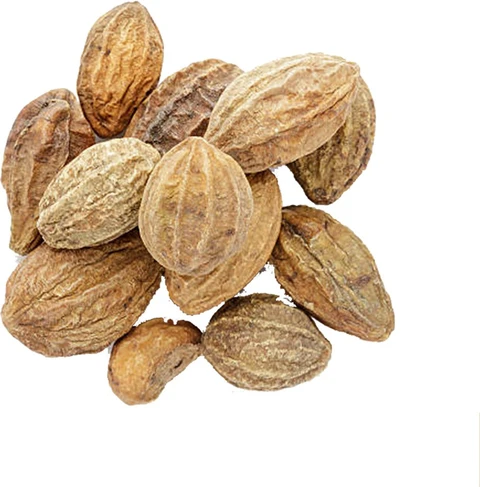
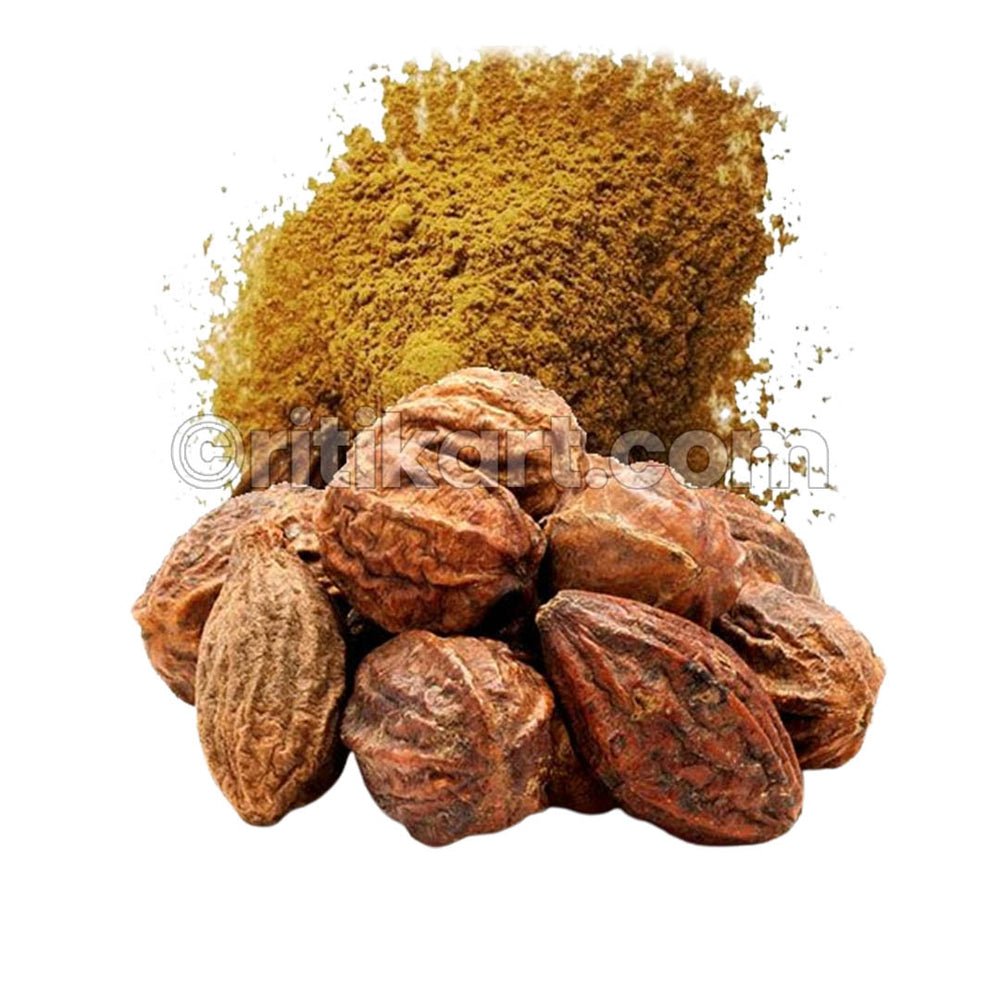
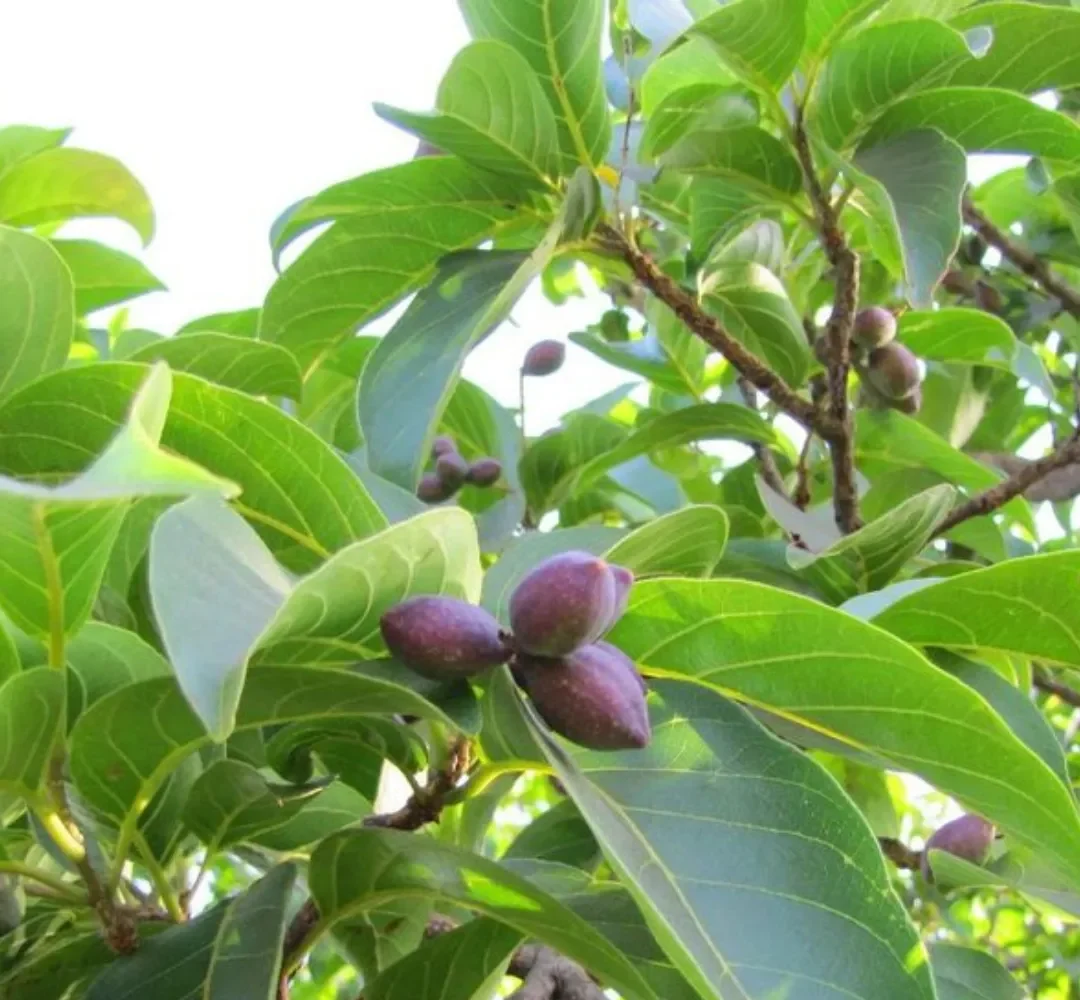
Harad is a well-known Ayurvedic medicinal fruit. It is traditionally used, particularly for issues related to the digestive system, constipation, and common stomach ailments. It is one of the three key ingredients of Triphala.
Useful for the following conditions:
Constipation
Indigestion
Gas and bloating
Irregular bowel movements
Aiding appetite and digestion
Abdominal heaviness
General digestive health
1. Relief from Constipation
Harad is traditionally used to regulate bowel movements and provide relief from constipation. A balanced diet rich in fiber and adequate water intake is also crucial for digestive health.
2. Indigestion and Gas
Harad is traditionally used to support digestion and alleviate common issues such as gas, bloating, and indigestion.
Ingredients
Dried Harad
Harad powder
Lukewarm water (as required)
Preparation Method
Select high-quality dried Harad.
Clean it and ensure it is thoroughly dry.
Grind the Harad into a fine powder.
Store the powder in a clean, dry, airtight container.
It is advisable to use a product from a reliable source to ensure quality.
How to Use
Harad powder should be used according to the instructions provided on the product packaging, as dosage and quality may vary between products.
For healthy adults aged 18–59, the recommended dosage on many powder products is approximately 1–3 grams; however, the exact amount depends on the product instructions and the individual’s health condition.
Children, adolescents, pregnant or breastfeeding women, and individuals on regular medication should consult a doctor or a qualified Ayurvedic practitioner before consumption.
Benefits of Harad
Relief from constipation
Supports digestive health
Traditional use for indigestion
Relief from gas and bloating
Promotes regular bowel movements
Supports appetite and general digestion
Safety Precautions
Excessive consumption may cause diarrhea or stomach discomfort. Do not consume this in cases of persistent diarrhea or dehydration.
Consult a doctor before taking medicinal doses during pregnancy or breastfeeding.
Do not administer to children without professional advice.
Individuals on regular medication should consult a doctor before use.
Consult a doctor if you experience issues such as chronic constipation, abdominal pain, blood in the stool, or sudden weight loss.
Benefits of Aloe-Vera
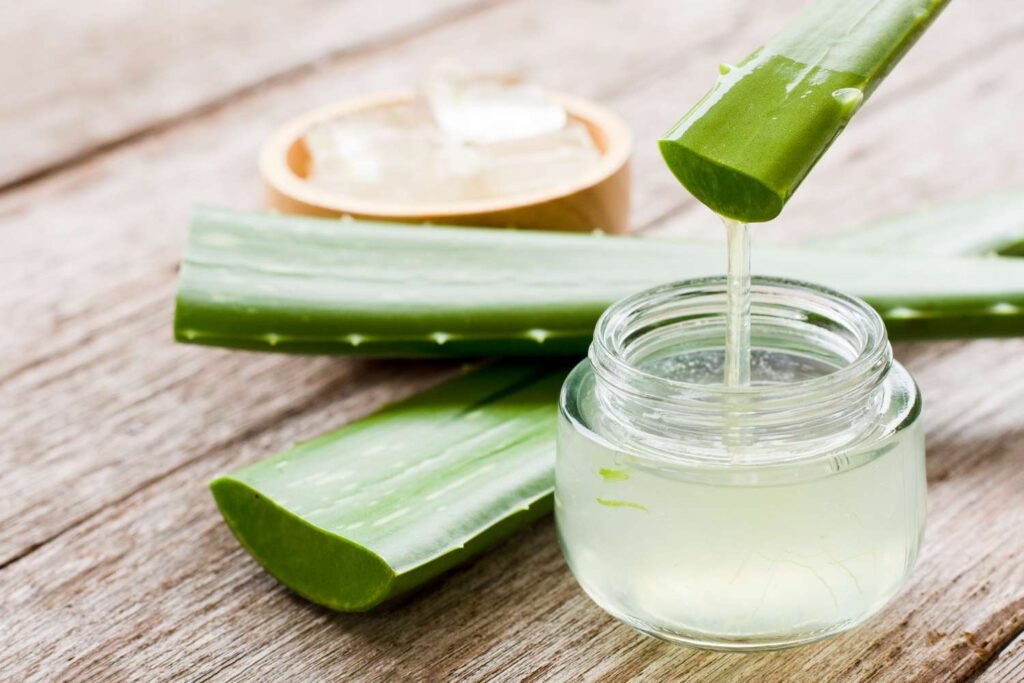
Benefits of Aloe Vera: For Skin, Digestion, and Hair
Introduction – What is Aloe Vera?
Aloe vera is a popular medicinal plant. The gel found inside its leaves is widely used for skincare. In Ayurveda, aloe vera has traditionally been used for skin health, digestion, and general well-being.
Useful for:
Dry skin
Mild skin irritation
General skincare
Soothing skin after sun exposure
Digestive issues
Relief from constipation
Hair and scalp care
1. Skincare
Aloe vera gel is used to moisturize the skin and soothe mild irritation or dryness. It is also an ingredient in many skincare products.
2. Digestion and Constipation
Certain parts of the aloe vera plant have traditionally been used to aid digestion and relieve constipation. However, aloe vera latex acts as a potent laxative, and consuming it without medical advice is not considered safe.
Ingredients
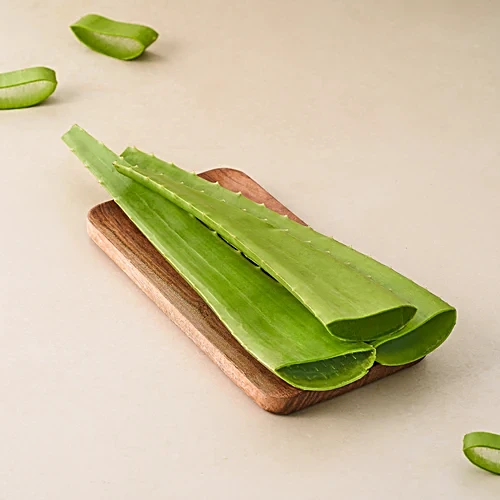
Fresh aloe vera leaf
Clean water
Pure aloe vera gel (for topical application)
Preparation Method
Take a fresh, clean aloe vera leaf.
Wash the leaf thoroughly.
Remove the thorny edges.
Extract the transparent gel from the leaf.
Separate the yellow latex from the gel.
Store the gel in a clean container for topical use and use it promptly.
How to Use
For skincare, a small amount of aloe vera gel can be applied to the affected area. It is advisable to perform a patch test on a small area of skin before using it for the first time.
Aloe vera should not be consumed orally without expert advice, especially the latex extracted from the leaf.
Children, pregnant or breastfeeding women, and individuals on regular medication should consult a doctor or a qualified Ayurvedic practitioner before consuming aloe vera for medicinal purposes.
Benefits of Aloe Vera
Helps moisturize the skin
Care for dry skin
Relief from minor skin irritation
Helps soothe skin after sun exposure
Hair and scalp care
Traditional use for digestive health
Safety Precautions
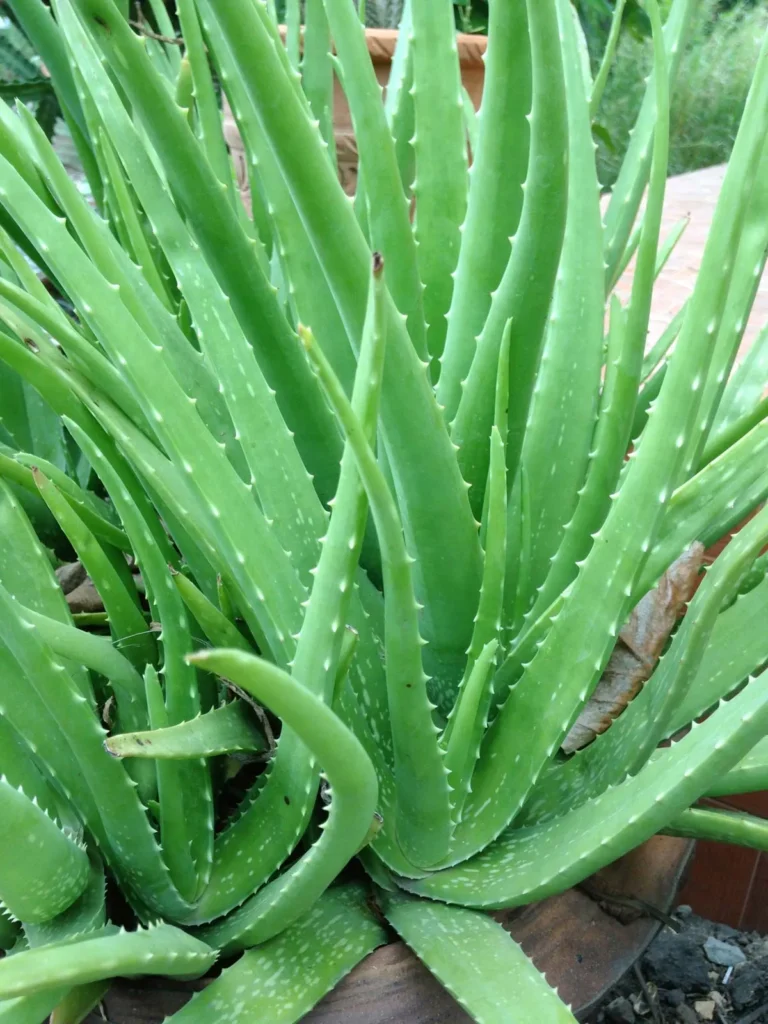
Do not consume the yellow latex of aloe vera without medical advice.
Excessive consumption may cause diarrhea, stomach pain, and dehydration.
Do not consume aloe vera for medicinal purposes during pregnancy unless advised by a doctor.
Do not give aloe vera orally to children without expert advice.
Individuals taking medication for diabetes should consult a doctor before consumption.
Discontinue use if irritation, redness, or itching occurs after topical application.
Consult a doctor in cases of severe burns or skin disorders.
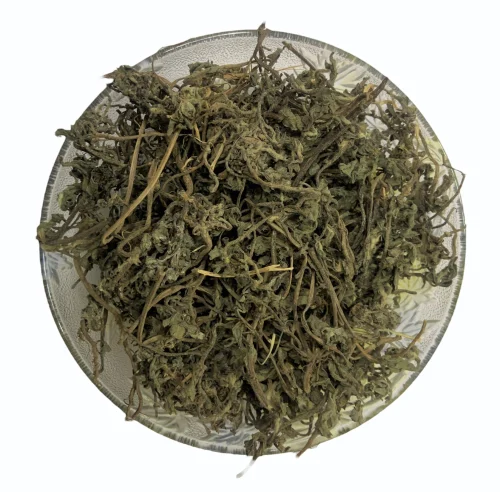
Benefits of Bhringraj
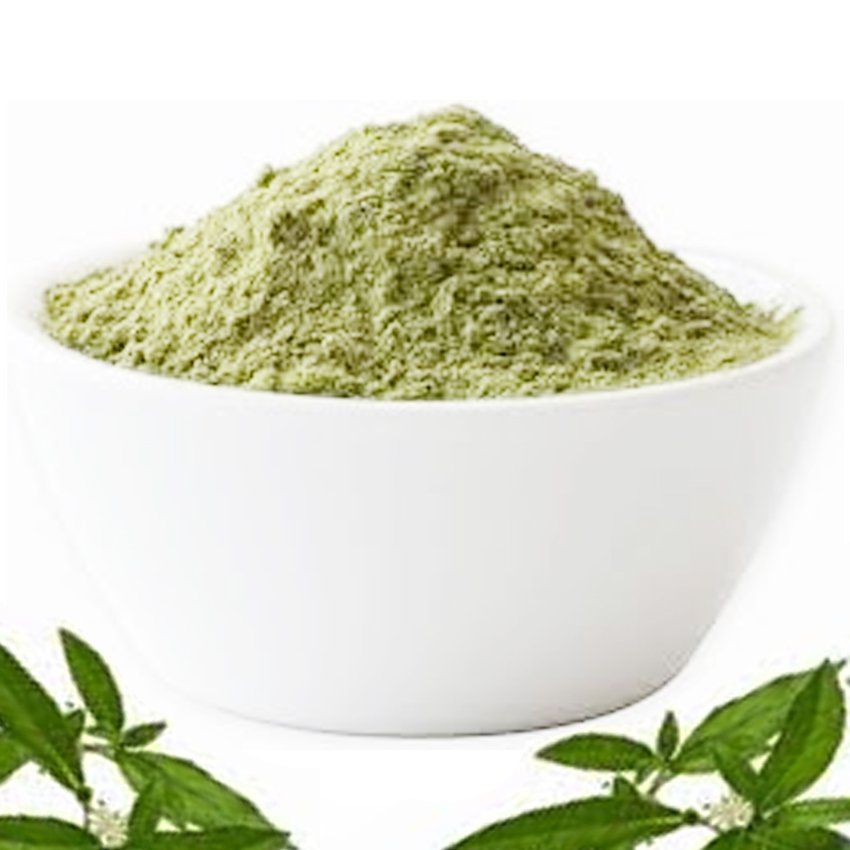
Benefits of Bhringraj: For Hair and Scalp
Introduction – What is Bhringraj?
Bhringraj is a renowned Ayurvedic herb. It is traditionally used for the care of hair, the scalp, and general health. It is specifically used in Ayurvedic hair oils and powders.
Useful for the following issues:
General hair care
Dryness of hair
Scalp care
Weak hair
Common issues like dandruff
Traditional use for premature graying of hair
General health and energy
1. Hair Care
Bhringraj is traditionally used to keep hair healthy and strong. Bhringraj oil is used for scalp massage and hair care.
2. Scalp and Dandruff
Bhringraj-based oils or other products are used for general scalp care. When used regularly alongside scalp cleansing, it can help with dry or uncomfortable scalp conditions.
Ingredients
Dried Bhringraj leaves or powder
Coconut oil or sesame oil
Water (as required)
Preparation Method
Take clean, dry Bhringraj leaves.
Grind them finely into a powder.
Cook the powder thoroughly with the oil over a low flame.
Strain the oil after it cools down.
Store the prepared oil in a clean, dry bottle.
How to Use
For hair, Bhringraj oil can be gently applied to the scalp. Wash it off in the usual manner after some time.
If Bhringraj powder or a medicinal product is being used for internal consumption, follow the instructions provided on the product. Dosage may vary depending on the product’s form and concentration.
Children, pregnant or breastfeeding women, and individuals taking regular medication should consult a doctor or a qualified Ayurvedic practitioner before consumption.
Benefits of Bhringraj
Supports general hair care
Helps maintain a healthy scalp
Helps manage dry hair
Traditionally used for common issues like dandruff
Beneficial for hair strength and nourishment
Renowned in Ayurveda for promoting hair health

Safety Precautions
Perform a patch test on a small area of skin before the first application.
Avoid contact with the eyes.
Discontinue use if scalp irritation or an allergic reaction occurs.
Do not administer to children for internal consumption without expert advice.
Consult a doctor before internal consumption during pregnancy or breastfeeding.
Consult a dermatologist in cases of excessive hair loss, bald patches, or severe scalp conditions.
Benefits of Ginger
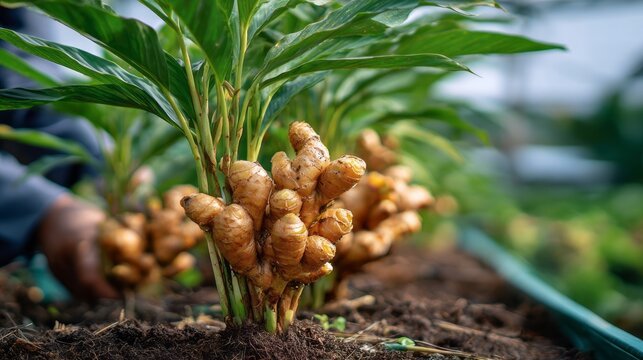
Benefits of Ginger: For Digestion, Gas, and Cold/Cough
Introduction – What is Ginger?
Ginger is a well-known spice and an Ayurvedic medicinal substance. It is traditionally used to address issues related to digestion, gas, nausea, the common cold, and minor throat discomfort.
Conditions for which it is useful:
Indigestion
Gas and bloating
Nausea and the urge to vomit
Relief from the common cold
Sore throat
Digestive issues
Loss of appetite
Supporting general health and digestion
1. Gas and Indigestion
Ginger is traditionally used to support the digestive system and alleviate common issues such as gas, bloating, and indigestion. A common way to use it is by including small amounts of ginger in meals.
2. Nausea and Cold/Cough
Ginger is used to help manage nausea and the sensation of vomiting. Hot ginger tea is also a popular home remedy for the common cold and minor throat discomfort.
Ingredients
1 small piece of fresh ginger
1 cup of water
A little honey (optional)
A few drops of lemon juice (optional)
Preparation Method
Wash the ginger thoroughly and peel it.
Cut it into small pieces or grate it.
Add the ginger to a cup of water and boil for about 5–10 minutes.
Strain the liquid and let it cool until lukewarm.
Honey or lemon juice may be added to taste.
How to Use
Ginger can be consumed in moderate amounts as part of regular meals or tea. When using ginger powder, extracts, or other medicinal products, follow the instructions provided on the product label.
Healthy adults aged 18–59 generally consume small amounts as part of their regular diet or beverages. It is advisable to consult a doctor or a qualified Ayurvedic practitioner before consuming medicinal or large quantities.
Children, adolescents, pregnant or breastfeeding women, and individuals taking regular medication should consult an expert before consuming ginger in medicinal quantities.
Benefits of Ginger
Supports digestive health
Helps with gas and bloating
Traditionally used for indigestion
Helps alleviate nausea
Provides relief during colds
Useful for minor throat discomfort
Supports appetite and digestion
Safety Precautions
Excessive consumption of ginger may cause heartburn or other digestive issues.
Individuals prone to acidity or heartburn should avoid consuming large amounts.
Those taking blood-thinning medications should consult a doctor before consuming ginger in medicinal quantities.
Seek medical advice before consuming large or medicinal amounts during pregnancy.
Do not administer medicinal doses to children without consulting a specialist.
Consult a doctor if symptoms such as persistent vomiting, severe abdominal pain, or signs of serious illness occur.