StoryAccount is an educational website focused on Indian history, biographies, real-life stories and travel. We publish detailed, easy-to-understand articles that explain historical events, important personalities, cultural places and inspiring real-life experiences. Our goal is to make reliable information easier to understand through original articles, timelines, explanations and useful references.
🌿 Uncategorized

Benefits of Amla

September 11, 2026 admin

Benefits of Amla: For Digestion, Hair, and General Health
Introduction – What is Amla?

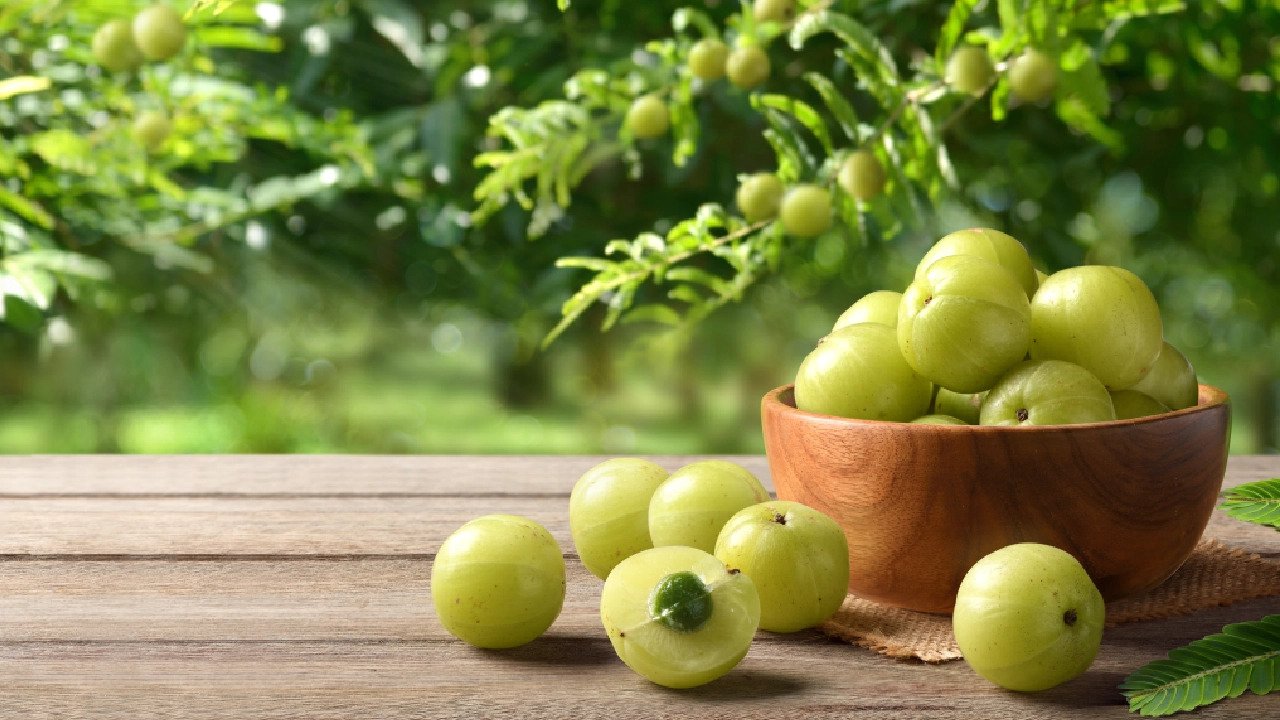
Amla (Indian Gooseberry) is a well-known Ayurvedic fruit. It is considered a rich source of Vitamin C and other nutrients. In Ayurveda, Amla is traditionally used to support digestion, hair care, and general health.

Conditions where it is useful:
Digestive issues
Relief from constipation
General body weakness
Hair care
Dryness of hair
General skin care
Nutritional support for immunity
General health and energy

1. Digestion and Constipation

Amla is traditionally used to support digestive health. Including a balanced amount of Amla in the diet can help maintain normal digestion and regular bowel movements.

2. Hair Care

Amla has long been used in traditional hair care. Amla-based oils and other products can help keep the hair and scalp healthy.

Ingredients

Fresh Amla or dried Amla
Amla powder
Water or lukewarm water (as required)
Preparation Method
Wash the fresh Amla thoroughly.
Remove the seeds and cut the fruit into small pieces.
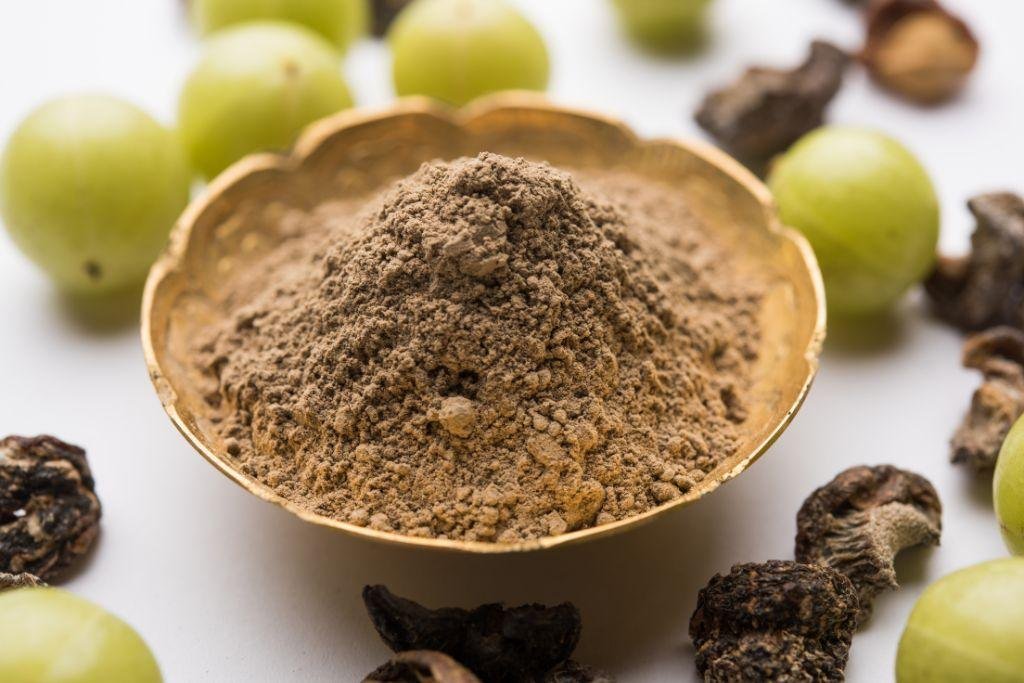
Dry them and grind into a fine powder.
Store the prepared powder in a clean, dry, airtight container.
For medicinal purposes, it is best to use reliable, high-quality Amla products.

How to Use

Amla powder, juice, or other products should be used according to the instructions provided on the product packaging. Concentrations vary between products, so a single fixed dosage may not be suitable for everyone.

For healthy adults aged 18–59, the recommended dosage for powder products is often around 1–3 grams; however, always follow the specific dosage instructions on the product label.

Children, adolescents, pregnant or breastfeeding women, and individuals taking regular medication should consult a doctor or a qualified Ayurvedic practitioner before consumption.
Benefits of Amla
Supports digestive health
Helps relieve constipation
Provides Vitamin C and other nutrients
Beneficial for hair and scalp care
Supports overall skin health
Nutritional support for general immunity
Supports general health and energy levels
Safety Precautions
Excessive consumption of Amla may cause stomach upset.
Exercise caution if you have any food allergies.
Consult a doctor before consuming medicinal quantities during pregnancy or breastfeeding.
Do not give medicinal quantities to children without expert advice.
Individuals on regular medication should consult a doctor before consumption.
Do not consider Amla a substitute for prescribed medical treatment for any illness.
🌿 Ayurveda

More Ayurveda Articles

Explore our latest Ayurveda health, wellness and natural remedy articles.

September 11, 2026 Uncategorized

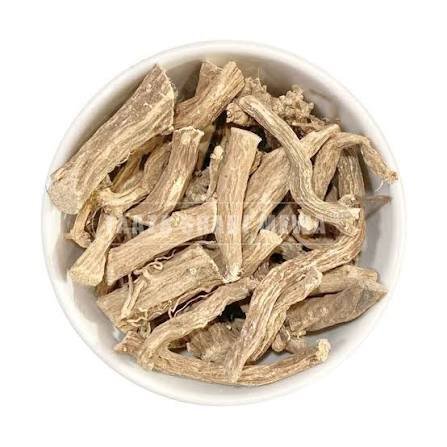
Benefits of Punarnava

Benefits of Punarnava: For Inflammation and Urinary Health Introduction – What is Punarnava? Punarnava is a well-known Ayurvedic medicinal plant. In Ayurveda, its roots and...

Read More
September 11, 2026 Uncategorized

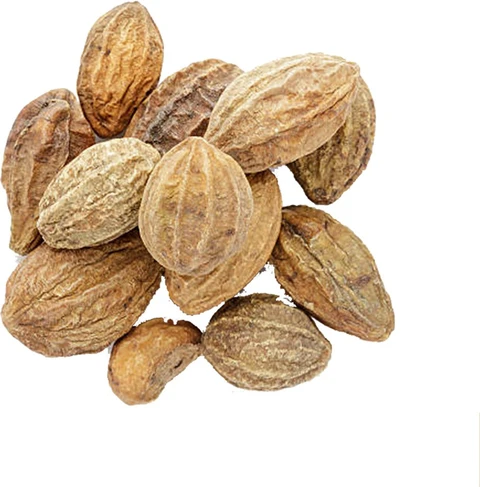
Benefits of Harad

Benefits of Harad: For Constipation and Digestion Introduction – What is Harad? Harad is a well-known Ayurvedic medicinal fruit. It is traditionally used, particularly for...

Read More
September 11, 2026 Uncategorized

Benefits of Aloe-Vera

Benefits of Aloe Vera: For Skin, Digestion, and Hair Introduction – What is Aloe Vera? Aloe vera is a popular medicinal plant. The gel found...

Read More
September 11, 2026 Uncategorized

Benefits of Bhringraj

Benefits of Bhringraj: For Hair and Scalp Introduction – What is Bhringraj? Bhringraj is a renowned Ayurvedic herb. It is traditionally used for the care...

Read More
September 11, 2026 Uncategorized

Benefits of Ginger

Benefits of Ginger: For Digestion, Gas, and Cold/Cough Introduction – What is Ginger? Ginger is a well-known spice and an Ayurvedic medicinal substance. It is...

Read More
September 11, 2026 Uncategorized

Benefits of Turmeric

Benefits of Turmeric: For Inflammation and Digestive Health Introduction – What is Turmeric? Turmeric is a well-known spice and an Ayurvedic medicinal substance. It primarily...

Read More
September 11, 2026 Uncategorized

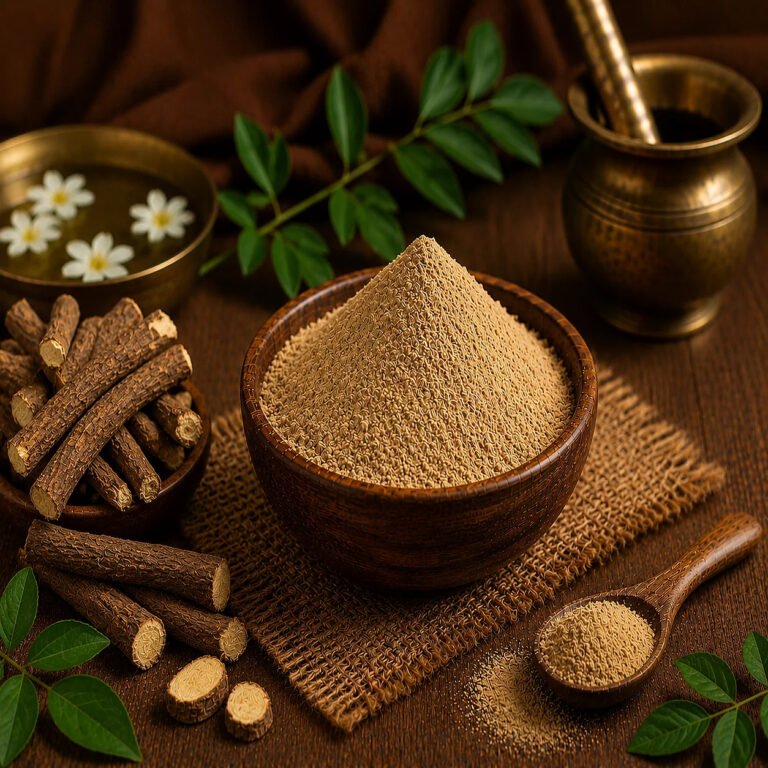
Benefits of Mulethi

Benefits of Mulethi (Licorice): For the Throat, Cough, and Digestion Introduction – What is Mulethi? Mulethi is a well-known Ayurvedic herb. Its root is traditionally...

Read More
September 11, 2026 Uncategorized

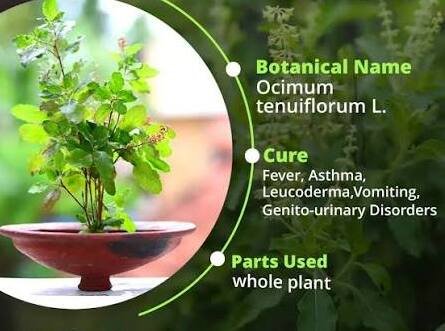
Benefits of Tulsi

Benefits of Tulsi: For Colds, Coughs, and Respiratory Health Introduction – What is Tulsi? Tulsi (Holy Basil) is a renowned Ayurvedic medicinal plant. Its leaves...

Read More
September 11, 2026 Uncategorized

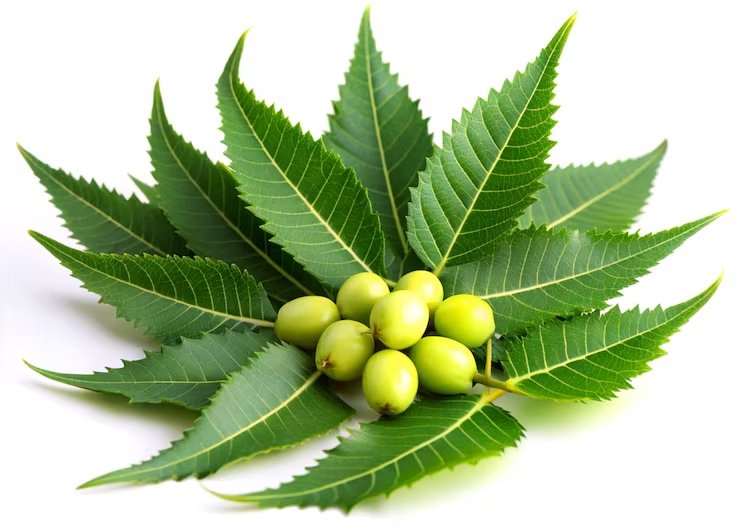
Benefits of Neem

Benefits of Neem: For Skin and General Health Introduction – What is Neem? Neem is a well-known Ayurvedic medicinal plant. Its leaves, bark, and seeds...

Read More
September 11, 2026 Uncategorized

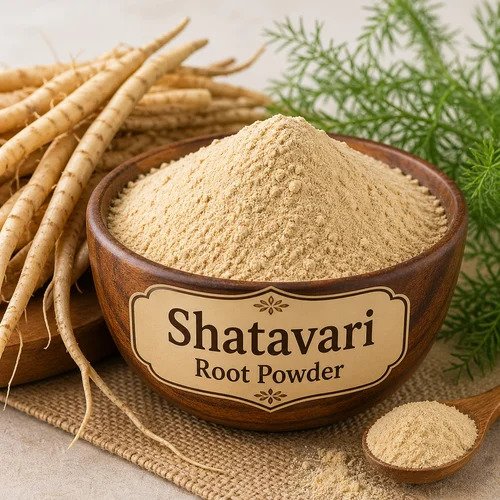
Benefits of Shatavari

Benefits of Shatavari: For Women’s Health and Digestion Introduction – What is Shatavari? Shatavari is a renowned Ayurvedic herb. In Ayurveda, it is traditionally used...

Read More