
Home Remedies for Acidity and Gas
Acidity, gas, and bloating are common digestive issues. Consuming very spicy food, overeating, eating too quickly, or lying down immediately after a meal can aggravate these problems. Simple home remedies and healthy habits can provide relief from mild discomfort.
Common Symptoms of Acidity and Gas
* Burning sensation in the stomach or sour belching
* Bloating
* Gas formation
* Feeling of heaviness in the stomach
* Frequent burping
* Heartburn
* Mild stomach discomfort
1. Drink Adequate Water
Ingredients
* 1 glass of normal or lukewarm water
How to Consume
Drink water slowly and ensure adequate intake throughout the day.
How it Helps: Adequate hydration supports normal digestion and bowel movements.
2. Carom Seed (Ajwain) Water
Ingredients
* 1 cup water
* ½ teaspoon carom seeds (ajwain)
Preparation Method
1. Add carom seeds to a cup of water.
2. Boil it for a few minutes.
3. Let it cool down slightly.
4. Strain and drink slowly.
How it Helps:Carom seed water is traditionally used to relieve gas and stomach discomfort.
3. Hot Ginger Tea
Ingredients
* 1 cup water
* A small piece of ginger
* A little tea powder/leaves (optional)
Preparation Method
1. Add ginger to the water and boil for a few minutes.
2. Add a little tea powder/leaves if desired.
3. Strain and drink while it is still warm.
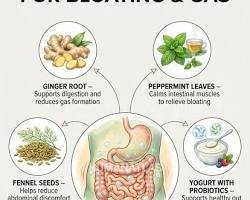
How it Helps: Ginger can help reduce digestive discomfort and nausea in some people.
4. Eat Slowly
What to Do?
* Chew your food thoroughly.
* Avoid eating too quickly.
* Do not overeat in a single sitting. * Eat small, balanced meals.
How it helps: Eating slowly reduces the likelihood of swallowing excess air and prevents putting undue strain on the stomach.
5. Take a light walk after eating
How to do it?
Instead of lying down immediately after a meal, stay upright for a while. A leisurely 10–15 minute walk is also a good option.
How it helps: Light physical activity can better support digestion.
6. Watch out for gas-inducing foods
Foods that may aggravate the condition in some people
* Carbonated drinks
* Deep-fried foods
* Very spicy foods
* Excessive tea or coffee
* Beans and certain lentils/pulses
* Milk or dairy products (for some individuals)
Trigger foods can vary from person to person. Pay attention to which foods consistently cause gas or acidity for you.
7. Do not lie down immediately after eating
Lying down right after a meal can worsen acidity and heartburn in some people.Stay upright or take a light walk for a while after eating, especially after dinner.
👨⚕️ When to consult a doctor?
It is best to consult a doctor if acidity or gas occurs frequently or persists for a long time.
Seek immediate medical advice if you experience **severe abdominal pain, repeated vomiting, difficulty swallowing, vomiting blood or blood in the stool, sudden weight loss, or persistent chest pain.**
🌿 Final thoughts
Small changes in eating habits and daily routine can help manage occasional gas and acidity. Eating slowly, drinking enough water, avoiding lying down immediately after meals, and identifying your trigger foods are good starting points.
If the problem recurs frequently, it is important to investigate the underlying cause rather than relying solely on home remedies.