Tulsi Benefits: Traditional Uses, Research and Safety Tips
A review of human studies on tulsi reveals a more nuanced picture than many wellness claims suggest. The herb has a meaningful place in Indian culture and traditional medicine, while modern research into its therapeutic value remains promising but incomplete.
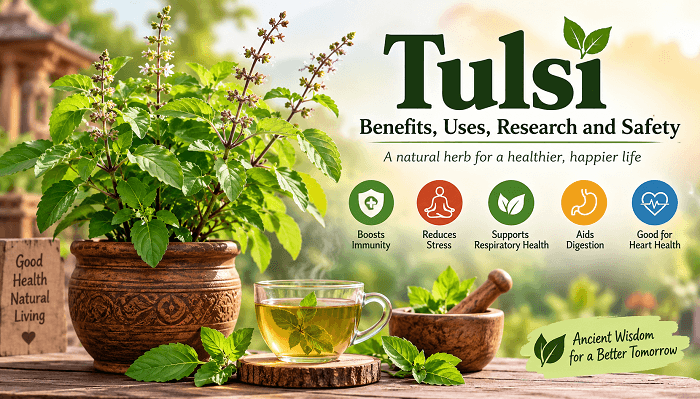
Tulsi, also called holy basil, usually refers to Ocimum tenuiflorum or Ocimum sanctum. Its peppery, aromatic leaves are used in herbal tea, household remedies and Ayurvedic preparations. Commonly discussed tulsi benefits include support for stress management, metabolic health and respiratory comfort. However, preparation methods and doses vary, and results from concentrated extracts cannot automatically be applied to homemade tulsi tea.
Understanding the difference between traditional experience and established clinical evidence allows people to use the herb more responsibly.
Traditional Tulsi Benefits and Everyday Uses
Tulsi has traditionally been consumed during seasonal coughs, colds and periods of digestive discomfort. Many households prepare a warm infusion using tulsi leaves, ginger and water. The steam and warm liquid may soothe a dry throat and support hydration, although tulsi should not be described as a cure for respiratory infections.
The plant is also valued for its aroma. Fresh leaves contain volatile compounds, including eugenol, that contribute to their distinctive scent and have been studied in laboratory settings. Laboratory findings can help researchers identify possible biological activities, but they do not prove that drinking tulsi tea will prevent disease.
People also use the leaves in chutneys, soups and infused water. These culinary quantities are generally different from standardized capsules or medicinal extracts, which can deliver a more concentrated dose.
Tulsi Benefits According to Human Research
A systematic review examined 24 human studies covering metabolic health, cardiovascular measures, immunity and neurocognition. The studies reported favourable outcomes and no significant adverse events, but the reviewers also called for stronger research to establish effective doses, formulations and suitable patient groups. Read the systematic review on PubMed.
This limitation is important. Some studies were small, differed in design or tested products that may not resemble tea made with fresh leaves. Researchers consider these early findings encouraging—not final proof that tulsi treats diabetes, high cholesterol or another chronic condition.
Tulsi Benefits for Stress and Sleep
Tulsi is frequently described as an adaptogen, a term used for substances claimed to help the body manage stress. In one randomized, double-blind, placebo-controlled trial, adults experiencing stress took a standardized holy basil extract for eight weeks. The researchers reported improvements in perceived stress and certain sleep-related measures. View the clinical trial.
The study investigated a specific extract under controlled conditions. It does not demonstrate that every tulsi capsule or cup of tea produces the same effects. Sleep specialists generally recommend starting with proven habits: maintain regular sleep hours, reduce late-night caffeine and address persistent anxiety or insomnia with a qualified professional.
How to Prepare Tulsi Tea at Home
For a mild herbal infusion:
- Rinse four to six fresh tulsi leaves thoroughly.
- Add them to approximately 250 ml of hot water.
- Cover and steep for five to seven minutes.
- Strain the drink and consume it warm.
When using dried leaves, begin with around half a teaspoon. Ginger or cardamom can add flavour, but avoid loading the drink with sugar or honey. A heavily sweetened cup may not suit someone managing blood glucose or calorie intake.
Tulsi tea can be enjoyed as part of a morning or evening routine. There is no dependable evidence that consuming it only on an empty stomach increases its effectiveness.
Common Mistakes When Using Holy Basil
The first mistake is treating “natural” as a guarantee of safety. Herbs contain active compounds and may affect people differently.
Another mistake is replacing prescribed treatment with tulsi. Early evidence about holy basil benefits does not justify stopping medication for diabetes, blood pressure, anxiety or any other condition.
Product quality also deserves attention. Powders and supplements may differ in species, strength and purity. The US National Center for Complementary and Integrative Health warns that some Ayurvedic products may contain harmful levels of metals. Choose clearly labelled products from reputable manufacturers that provide independent quality testing. See NCCIH safety guidance.
Safety Tips Before Using Tulsi Regularly
Culinary use and occasional mild tea are not equivalent to taking concentrated extracts. People who are pregnant, breastfeeding, preparing for surgery or trying to conceive should seek medical advice before using medicinal quantities.
Consult a healthcare professional if you take blood-thinning or glucose-lowering medicine, as concentrated herbal products may create unwanted interactions. Stop use and obtain guidance if you develop nausea, dizziness, rash or unusual bleeding.
Children and people with chronic medical conditions also need individualized advice before taking supplements.
Conclusion: Understanding Tulsi Benefits Responsibly
The most realistic tulsi benefits involve its value as an aromatic, unsweetened beverage and its long-established culinary and traditional use. Human research suggests possible support for stress and certain metabolic measures, but better trials are still needed.
Enjoy tulsi tea as a complement to healthy habits, not a replacement for medical care. Start with a mild preparation, choose quality-tested products and speak with a qualified healthcare professional before using concentrated extracts for a specific health goal.