Best Foods for Healthy Skin: What to Add to Your Diet
A useful lesson from examining popular “glowing skin” diets is that they often focus on one fashionable ingredient while ignoring the complete meal. Skin needs a steady supply of protein, essential fats, vitamins, minerals, and energy—not an occasional detox drink.
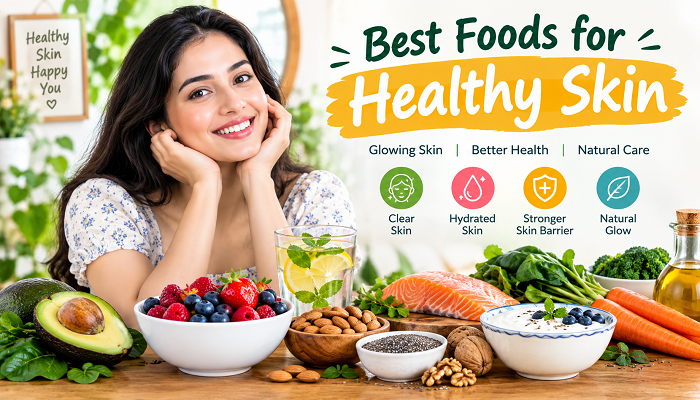
The best foods for healthy skin are therefore familiar, nutrient-dense choices that support the body as a whole. Fruit, vegetables, pulses, nuts, seeds, eggs, fish, and whole grains help provide the materials needed for normal skin structure, repair, and protection.
Diet cannot erase wrinkles or cure every skin condition. Genetics, hormones, sleep, stress, sun exposure, smoking, skincare habits, and medical conditions also influence how skin looks and feels. Still, a balanced diet gives your skin reliable nutritional support.
Vitamin-Rich Foods for Healthy Skin
1. Amla, guava, citrus fruits, and capsicum
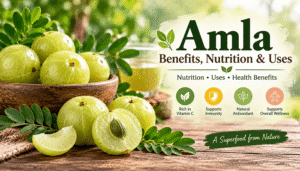
Vitamin C is required for collagen formation and acts as an antioxidant. Good sources include amla, guava, oranges, lemons, kiwi, tomatoes, and red or yellow capsicum.
Rather than depending on packaged juices, eat whole fruit when possible. You might add guava to breakfast, tomatoes and capsicum to lunch, or lemon juice to a chickpea salad.
The NIH Office of Dietary Supplements identifies fruits and vegetables as the best sources of vitamin C. Regular intake is more useful than taking very large supplement doses without professional advice.
2. Colourful vegetables
Carrots, pumpkin, sweet potatoes, tomatoes, beetroot, spinach, and other leafy vegetables provide carotenoids and additional antioxidants. These nutrients help maintain normal tissues and protect cells from oxidative damage.
Aim for different colours across the week instead of eating the same vegetable daily. A practical lunch could contain spinach dal, carrot-cucumber salad, and tomato-based vegetable curry.
Which Foods for Healthy Skin Work at Breakfast?
Try vegetable poha with peanuts, besan chilla with tomato chutney, eggs with sautéed spinach, or plain curd with fruit and seeds. Each option combines several nutrients instead of relying on a single “beauty food.”
A skin-friendly diet should also provide adequate energy. Frequently skipping breakfast is not automatically harmful, but consistently under-eating can make it difficult to obtain enough protein, vitamins, and minerals.
Protein-Based Foods for Healthy Skin
3. Dals, beans, and soy foods
Skin contains structural proteins and continually renews itself. Lentils, chickpeas, rajma, soybeans, tofu, and soy chunks can help meet protein needs while supplying fibre and minerals.
Combine dal with rice, tofu with vegetables, or chana with whole-grain roti. Vegetarians benefit from eating varied protein sources throughout the day.
4. Eggs, fish, chicken, and dairy
Eggs, fish, lean chicken, milk, curd, and paneer provide high-quality protein. Fish also supplies varying amounts of omega-3 fatty acids, depending on the species.
Use preparation methods that support the overall meal: grilled fish, egg bhurji with vegetables, chicken curry with moderate oil, or unsweetened curd with seeds. Deep-fried protein foods do not become healthy simply because they contain protein.
Healthy Fats to Include in Your Diet
5. Nuts and seeds
Walnuts, almonds, peanuts, chia seeds, flaxseeds, pumpkin seeds, and sesame seeds provide unsaturated fats, protein, and minerals. Add a spoonful of ground flaxseed to curd or sprinkle seeds over a salad.
Portions matter. A small handful of nuts is usually more practical than eating directly from a large packet.
6. Omega-3-rich foods
Fatty fish, walnuts, chia seeds, and flaxseeds can contribute omega-3 fats. These fats are part of cell membranes and support general cardiovascular and nutritional health.
Plant and marine omega-3s are not identical, so choose a variety suited to your dietary preferences rather than expecting one food to transform your skin.
Hydration and Smarter Carbohydrate Choices
Drink according to thirst, climate, activity, and individual health needs. Water supports normal body functions, but forcing excessive quantities will not automatically clear acne or remove toxins.
Choose minimally processed carbohydrates such as oats, millets, brown rice, whole-wheat roti, beans, and vegetables more often. The American Academy of Dermatology reports that small studies suggest a low-glycaemic eating pattern may help some people with acne, although further research is needed.
Keep a food-and-skin diary if you suspect a trigger. Avoid removing entire food groups based only on social-media advice.
Common Diet Mistakes That Affect Skin Health
Do not depend on juices, collagen sweets, or “detox” teas while neglecting complete meals. Supplements can also cause problems when taken unnecessarily or in excessive doses.
Another mistake is expecting dietary changes to treat persistent acne, eczema, pigmentation, or unexplained rashes. Food may influence certain conditions, but skincare and medical treatment can still be necessary. Speak with a dermatologist before attempting restrictive elimination diets.
Conclusion: Choose Foods for Healthy Skin Consistently
The most useful foods for healthy skin include colourful produce, pulses, quality proteins, whole grains, nuts, seeds, and sources of unsaturated fat. Their benefits come from consistent dietary variety—not a quick remedy.
Begin by improving one meal today. Add a vegetable, a clear protein source, and a whole fruit, then follow the same balanced approach throughout the week. Consult a dermatologist or registered dietitian if you have continuing skin concerns or suspected nutrient deficiencies.