Iron Deficiency and Anemia in Women: Symptoms, Causes, and Ayurvedic Approaches
Iron deficiency is a common nutritional issue among women. The risk is particularly high for women who experience heavy menstrual bleeding, are pregnant, or do not obtain sufficient iron from their diet. Iron deficiency can lower hemoglobin levels in the body, potentially leading to anemia.
1. What is Anemia?
Anemia is a condition characterized by lower-than-normal levels of hemoglobin or red blood cells in the blood. Hemoglobin plays a crucial role in transporting oxygen to various parts of the body.
There are several causes of anemia. While iron deficiency is a common cause, not all cases of anemia stem from it; deficiencies in Vitamin B12 or folate, infections, chronic illnesses, and blood loss can also be contributing factors.
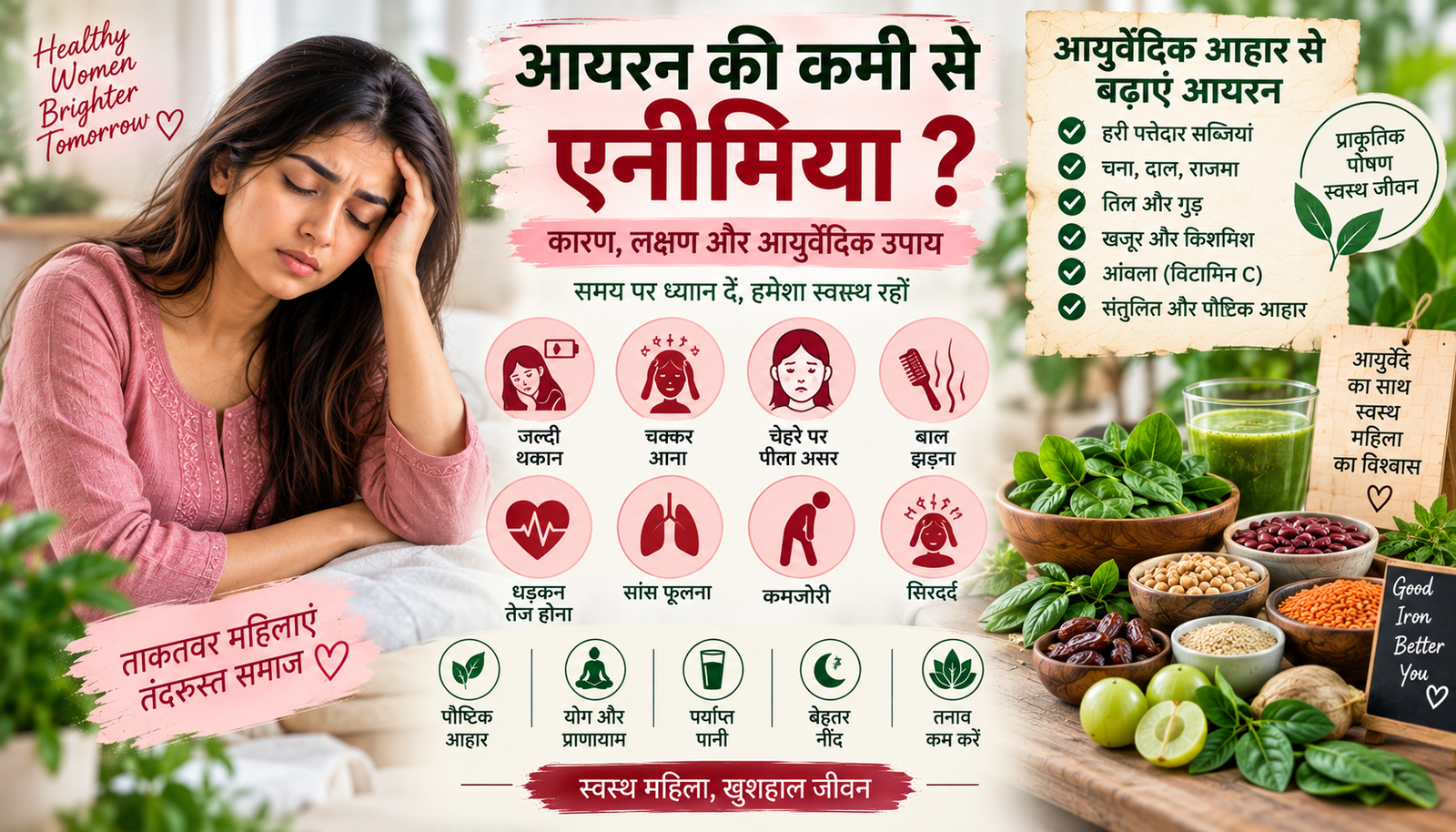
2. Symptoms of Iron Deficiency and Anemia
The following symptoms may appear in cases of iron deficiency or anemia:
* Fatigue or tiredness
* Feeling weak
* Dizziness or lightheadedness
* Shortness of breath (especially when climbing stairs)
* Headache
* Skin appearing paler than usual
* Rapid heartbeat (palpitations)
* Cold hands and feet
* Hair loss
* Difficulty concentrating
Symptoms can vary depending on the individual and the severity of the anemia.
3. Why Does Iron Deficiency Occur in Women?
There are several reasons why women may experience iron deficiency:
Heavy Menstrual Bleeding
Excessive or prolonged menstrual bleeding can lead to a significant loss of iron from the body.
Dietary Iron Deficiency
A diet lacking iron-rich foods can lead to iron deficiency over time.
Pregnancy
The body’s requirement for iron increases during pregnancy.
Poor Iron Absorption
Certain health conditions can hinder the body’s ability to effectively absorb iron from food.
Other Health Issues
In some cases, anemia can also result from blood loss or other underlying medical conditions. Therefore, if you experience persistent weakness or symptoms of anemia, you should not rely solely on home remedies.
4. How Can Ayurveda Help?
Ayurveda emphasizes the importance of diet, daily routine, and lifestyle in maintaining good health.
Incorporating “iron-rich, nutritious foods” into your diet can be beneficial for addressing iron deficiency. It is essential to consult a qualified practitioner before taking Ayurvedic or herbal supplements.
You can include the following foods in your daily diet:
* Spinach and other green leafy vegetables
* Lentils (Dal)
* Chickpeas (Chana)
* Kidney beans (Rajma)
* Sesame seeds
* Dry fruits
* Raisins
* Dates
* Iron-fortified foods
Some individuals may also require iron tablets as prescribed by a medical professional to treat iron deficiency.
Important: Ayurvedic herbs or herbal medicines should not be considered a definitive cure for anemia. Some Ayurvedic preparations may contain harmful heavy metals; therefore, do not take such medicines without consulting a qualified practitioner.
5. Iron-Rich Spinach and Lentil Soup
Ingredients
* 1 cup spinach
* ½ cup moong dal (split green gram) or masoor dal (red lentils)
* 1 small tomato
* ½ teaspoon cumin seeds
* 1 small piece of ginger
* 1 pinch turmeric powder
* Salt to taste
* 2 cups water
* ½ teaspoon lemon juice
Preparation Method
1. Wash the lentils thoroughly.
2. Chop the spinach and tomato.
3. Heat a little water in a pan and add cumin seeds and ginger.
4. Add the lentils, spinach, tomato, and turmeric powder.
5. Add water and cook the lentils and vegetables thoroughly.
6. Once cooked, lightly mash or blend the mixture.
7. Finally, add a little lemon juice and serve hot.
This is a nutritious meal and a great way to include iron-rich foods in your diet. However, if a blood test reveals anemia or iron deficiency, this soup alone should not be considered a substitute for medical treatment.
6. Precautions
* Do not take iron tablets for an extended period without medical supervision.
* If you experience excessively heavy periods, get the underlying cause investigated.
* Consult a doctor before taking any Ayurvedic medicine or supplement during pregnancy.
* If you are already taking medication, speak to a healthcare professional before starting herbal supplements.
* Medical evaluation is essential if you experience severe weakness, shortness of breath, rapid heartbeat, fainting, or persistent dizziness.
* If the cause of anemia is unclear, a doctor may recommend blood tests and other diagnostic procedures.
7. How to prevent anemia?
Maintain a balanced diet that includes lentils, chickpeas, green vegetables, nuts, and other iron-rich foods.
Additionally:
* Get adequate sleep.
* Engage in regular, light physical activity.
* Include a variety of nutritious foods in your diet.
* Do not ignore excessively heavy periods.
* Get your hemoglobin and iron levels checked by a doctor if necessary.
When to see a doctor?
Consult a doctor if you experience persistent fatigue, weakness, dizziness, shortness of breath, or a rapid heartbeat. Identifying the exact cause of anemia is crucial, as not all types of anemia require the same treatment.
Conclusion
Iron deficiency and anemia should not be dismissed as mere weakness. While a nutritious, iron-rich diet can help provide the body with essential nutrients, diagnosed iron-deficiency anemia may require medical treatment as advised by a doctor.
Practices such as an Ayurvedic lifestyle, a balanced diet, and yoga can support overall well-being, but these should not be considered a replacement for necessary medical treatment.