Amla Benefits: Nutrition, Uses and Ways to Add It to Your Diet
A review of Indian food-composition data and current clinical research reveals an important point about amla benefits: the fruit is nutritious, but many popular health claims go beyond what scientists have confirmed.
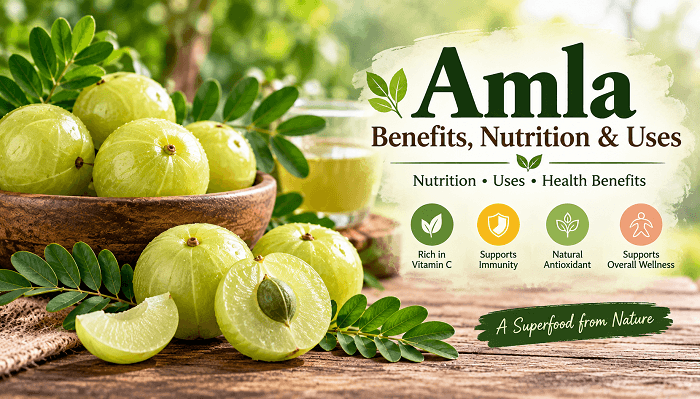
Also called Indian gooseberry, amla is a small, green fruit with a distinctly sour and slightly bitter taste. It has a long history of culinary and traditional use in India. Fresh amla provides vitamin C and several naturally occurring plant compounds, while dried powders, juices and extracts vary considerably in their nutritional value.
Rather than treating amla as a cure-all, it is more useful to see it as one ingredient within a varied, balanced diet.
Amla Benefits Begin With Its Nutritional Profile
Amla is best known as a source of vitamin C. This water-soluble vitamin supports normal immune function, collagen formation and wound healing. It also acts as an antioxidant and helps the body absorb non-haem iron from plant foods.
For example, eating amla chutney with a meal containing lentils, spinach or chickpeas may support iron absorption. That does not mean amla can treat iron-deficiency anaemia by itself, but it can complement an iron-rich diet.
Fresh Indian gooseberry also provides fibre and plant compounds such as polyphenols and tannins. Fibre supports normal bowel function, while polyphenols are being studied for their potential antioxidant and metabolic effects.
The precise nutrient content depends on the variety, ripeness, storage period and processing method. Heating or prolonged storage may reduce vitamin C, so fresh fruit and heavily processed amla candy should not be considered nutritionally identical.
Amla Benefits for Heart and Metabolic Health
Research into amla benefits has produced encouraging but preliminary findings. A 2023 systematic review and meta-analysis evaluated five randomized controlled trials. It found that amla supplementation was associated with improvements in fasting blood glucose, LDL cholesterol, total cholesterol, triglycerides and certain inflammatory markers.
However, the trials were relatively small, lasted between three and twelve weeks, and generally involved adults aged 40–58. The researchers concluded that additional investigation was necessary. Most studies also tested standardized supplements or extracts—not a spoonful of homemade chutney or one fresh fruit. Review the research on PubMed.
Amla should therefore not replace cholesterol medication, diabetes treatment or professional dietary care. Anyone managing a diagnosed condition should discuss concentrated amla products with a doctor or registered dietitian.
Amla Benefits for Immunity and Skin Health
Vitamin C contributes to normal immune defence; it does not guarantee protection from colds, flu or other infections. Eating amla can help someone meet their overall vitamin C requirements, particularly when combined with vegetables and other fruits.
Vitamin C is also needed to produce collagen, a structural protein found in skin, blood vessels and connective tissue. This explains why amla is often associated with skin health. Still, claims that amla juice removes wrinkles, reverses ageing or permanently clears the skin lack strong clinical evidence.
The same caution applies to hair growth. Amla oil may condition the scalp or hair shaft, but consuming the fruit has not been proven to reverse genetic hair loss.
Practical Ways to Add Amla to Your Diet
Fresh amla has an intense flavour, so small portions are often more enjoyable. Try these practical options:
- Grate fresh amla into coriander or mint chutney.
- Add thin slices to a vegetable salad with cucumber and carrot.
- Blend a small piece with water, ginger and mint without added sugar.
- Mix unsweetened amla powder into curd or a smoothie.
- Prepare a lightly spiced amla relish to accompany dal and roti.
If fresh fruit is unavailable, read packaged-product labels carefully. Choose unsweetened amla powder or juice with a short ingredient list. Many candies, murabbas and bottled drinks contain substantial added sugar, which can outweigh their nutritional advantages.
Common Mistakes and Safety Considerations
More is not necessarily better. Large amounts of raw amla, juice or powder may cause acidity, loose stools or stomach discomfort in sensitive individuals. Begin with a small serving and observe your response.
Do not assume every supplement contains the same amount or quality of amla extract. Products may differ in concentration, purity and additional ingredients.
People taking diabetes medicines, anticoagulants or other regular medication should consult a healthcare professional before using concentrated supplements. Pregnant or breastfeeding individuals should also seek personalized guidance rather than relying on medicinal doses promoted online.
Conclusion: Getting Real Value From Amla Benefits
The most credible amla benefits come from its vitamin C, fibre and diverse plant compounds. Early clinical studies suggest possible effects on blood glucose and cholesterol, but they do not establish amla as a treatment for metabolic disease.
Use fresh or minimally processed amla as part of a varied diet, limit sugar-heavy products and remain cautious about dramatic detox, weight-loss or anti-ageing promises. Start by adding a small amount to chutney, salad or curd, and consult a qualified professional if you plan to use concentrated amla for a specific health condition.