Indian Foods Rich in Iron: Vegetarian and Non-Vegetarian Sources
A useful observation from reviewing everyday Indian meals is that many contain iron, yet the body may not absorb all of it efficiently. A plate of dal, roti, and vegetables can provide valuable nutrients, but the cooking method, food combination, and timing of tea or coffee can affect how much iron becomes available.
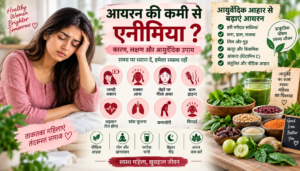
Choosing suitable iron rich foods in India is important because iron helps form haemoglobin, the protein that carries oxygen through the blood. It also supports energy production, muscle function, cognitive development, and immunity. Low iron levels can contribute to tiredness, weakness, poor concentration, breathlessness, and iron-deficiency anaemia.
Fortunately, both vegetarian and non-vegetarian Indian diets offer practical options.
Vegetarian Iron Rich Foods in India
Plant foods contain non-haem iron, which the body generally absorbs less efficiently than iron from animal foods. This does not mean a vegetarian diet cannot provide enough iron. It simply makes food variety and smart meal combinations more important.
1. Lentils and pulses
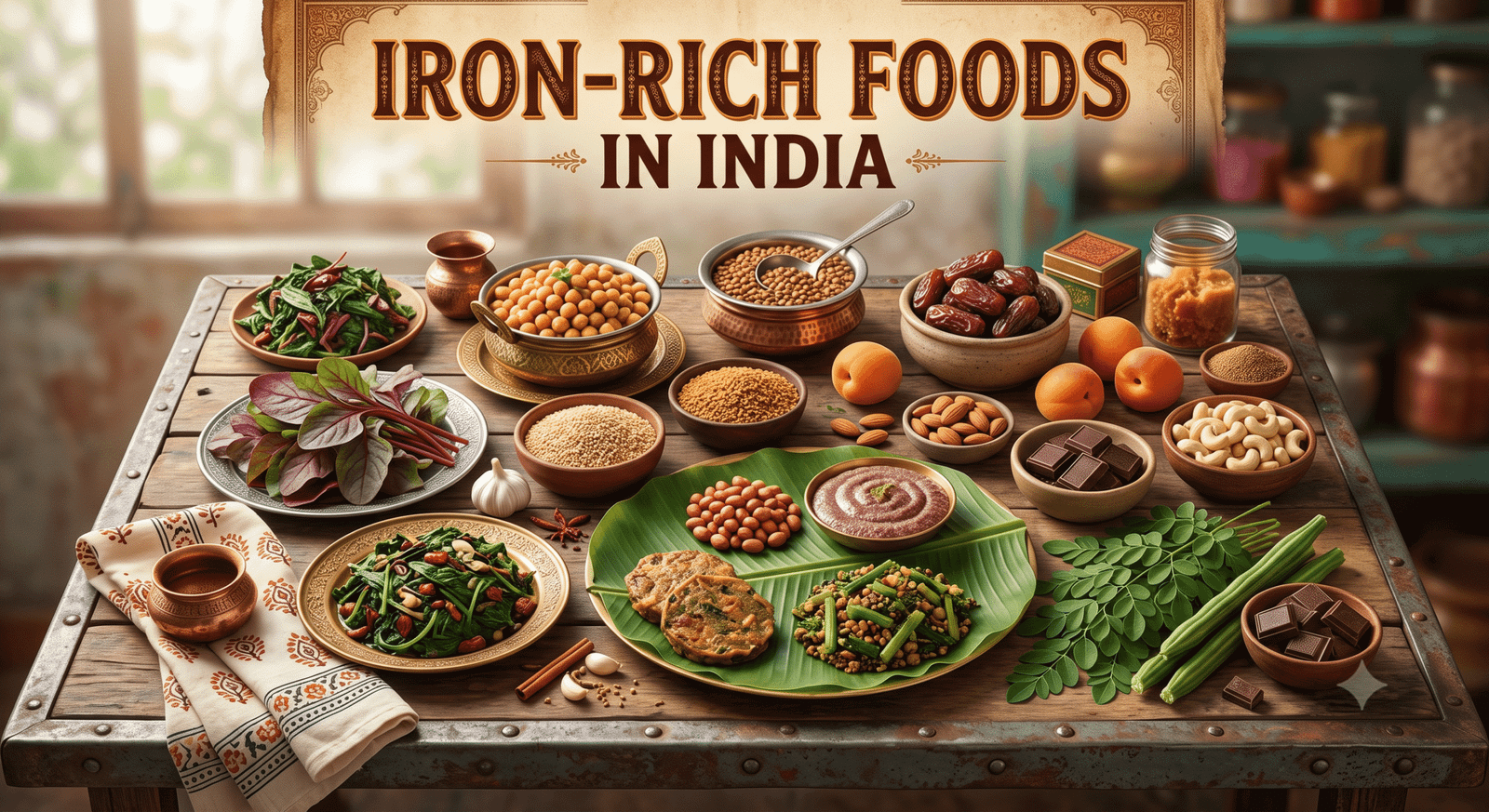
Masoor dal, moong dal, urad dal, toor dal, chickpeas, kidney beans, black chana, and lobia are useful sources of iron, protein, fibre, and other minerals.
For a balanced lunch, combine rajma or chole with rice, salad, and lemon juice. Soaking dried pulses before cooking can improve digestibility and reduce some compounds that interfere with mineral absorption.
2. Green leafy vegetables
Amaranth leaves, bathua, mustard greens, fenugreek leaves, and spinach contribute iron and several other micronutrients. However, spinach should not be treated as a miracle solution. It contains compounds that can limit iron absorption.
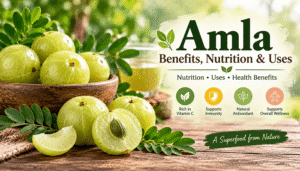
Cook leafy vegetables with tomatoes, squeeze lemon over saag, or serve them with amla chutney. These vitamin C-rich additions help the body use plant-based iron more effectively.
3. Seeds, nuts, and dried fruit
Sesame seeds, pumpkin seeds, garden cress seeds, cashews, peanuts, and raisins can increase the iron content of meals and snacks. Add roasted sesame seeds to chutney, mix pumpkin seeds into poha, or prepare garden cress seeds with suitable foods under professional guidance.
Portion size still matters because nuts and seeds are energy-dense. Use them to enrich a varied diet rather than relying on one ingredient.
Which Iron Rich Foods in India Suit a Vegetarian Meal?
A practical meal might include bajra roti, black chana curry, seasonal vegetables, and guava or orange. Other combinations include moong sprouts with tomato and lemon, lentil khichdi with amla chutney, or ragi dosa with sambar.
These Indian iron-rich foods provide better dietary variety than repeatedly eating spinach alone. The NIH Office of Dietary Supplements identifies beans, lentils, nuts, vegetables, tofu, and fortified grains as sources of non-haem iron.
Non-Vegetarian Iron Rich Foods in India
Animal foods provide haem iron, which is generally absorbed more readily. Meat, poultry, and seafood also contain non-haem iron and may improve its absorption from the complete meal.
1. Meat and seafood
Lean mutton, fish, shellfish, and other meats can contribute meaningful amounts of iron. Portion size, cut, and preparation influence the nutritional value.
Choose grilled, roasted, curried, or lightly sautéed preparations instead of regularly consuming heavily fried foods. For example, fish curry with vegetables and rice creates a more balanced meal than fried fish served without vegetables.
2. Chicken and eggs
Chicken and eggs contain iron, although usually less than richer sources such as red meat or certain shellfish. Their affordability and versatility make them practical additions to many diets.
Pair egg bhurji with vegetables and whole-grain roti, or prepare chicken curry with tomato and capsicum to add vitamin C.
How to Improve Iron Absorption
Include vitamin C-rich foods such as amla, guava, oranges, lemons, tomatoes, and capsicum in the same meal as plant-based iron. Even a squeeze of lemon over dal or chana can be a useful addition.
Avoid drinking tea or coffee immediately with iron-rich meals. Their polyphenols can reduce non-haem iron absorption. If possible, leave a gap of one to two hours.
Fermenting foods such as dosa or idli batter and soaking or sprouting pulses may also improve mineral availability. A dietitian can recommend suitable combinations when iron requirements are higher.
Common Mistakes to Avoid
Do not depend entirely on jaggery, beetroot, or spinach to correct suspected anaemia. Although these foods may fit into a balanced diet, treating a diagnosed deficiency usually requires understanding its cause.
Never begin high-dose iron supplements without professional advice. Excess iron can be harmful, and supplements may cause nausea, constipation, or interact with medicines. Persistent fatigue may also have causes unrelated to iron.
Pregnant women, young children, people with heavy menstrual bleeding, frequent blood donors, and those with digestive disorders may require assessment and personalised guidance.
Conclusion: Choose Iron Rich Foods in India Wisely
The best iron rich foods in India include dals, beans, leafy vegetables, seeds, meat, seafood, chicken, and eggs. Their value improves when meals also contain vitamin C and provide sufficient protein and overall dietary variety.
Start by adding one iron source and one vitamin C-rich food to two daily meals. If you experience continuing weakness, pale skin, dizziness, or breathlessness, consult a doctor and request appropriate blood testing rather than relying on food or supplements alone.