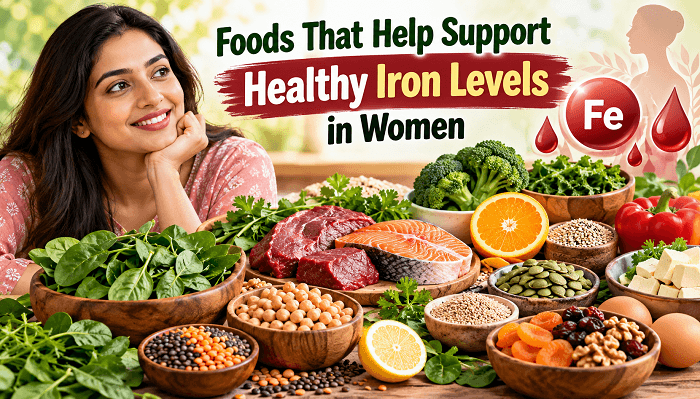
Foods That Help Support Healthy Iron Levels in Women
Iron plays an essential role in women’s health. It helps the body produce haemoglobin, a protein in red blood cells that carries oxygen from the lungs to different tissues. When iron intake is insufficient or the body loses too much iron, it can become difficult to maintain healthy iron stores.
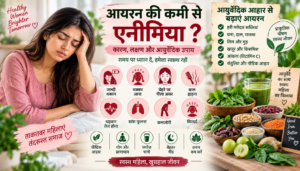
Women who menstruate, are pregnant, or follow restrictive diets may need to pay particular attention to their iron intake. Symptoms such as tiredness, weakness, headaches, and difficulty concentrating can sometimes be associated with iron deficiency, although they may have other causes.
The good news is that adding iron rich foods for women to everyday meals can help support normal iron levels. From lentils and leafy greens to meat, seeds, and fortified cereals, there are several practical options to choose from.
Let’s explore which foods provide iron, how to improve iron absorption, and which common dietary mistakes to avoid.
Why Is Iron Important for Women’s Health?
Iron supports oxygen transport, energy metabolism, and normal cognitive function. Women with heavy menstrual periods can lose more iron than they replace through their diet, increasing their risk of deficiency.
Iron requirements also rise during pregnancy because the body needs to support increased blood volume and the baby’s development.
According to established nutrition guidance, adult women aged 19–50 generally need around 18 mg of iron daily, while pregnant women typically need 27 mg. Requirements vary with age, life stage, and individual circumstances.
Eating iron-containing foods regularly is a useful starting point, but food alone may not correct an established deficiency.
Best Iron Rich Foods for Women
A balanced diet can provide iron from both animal and plant sources. Including a variety of these foods helps make meals nutritious, satisfying, and easier to maintain over time.
1. Lentils, Beans, and Chickpeas
Lentils, rajma, black-eyed peas, and chickpeas are practical sources of plant-based iron. They also provide protein, fibre, and other nutrients.
For an everyday Indian meal, try moong dal with roti, rajma with rice, or chickpea salad with lemon juice. Vitamin C from lemon can help the body absorb non-haem iron from plant foods.
2. Spinach and Other Leafy Greens
Spinach, amaranth leaves, and mustard greens contain iron alongside folate and other micronutrients. However, the body does not absorb all the iron in leafy vegetables equally well.
Include cooked greens in dal, vegetable curries, or whole-wheat parathas. Pairing them with tomatoes, lemon, or capsicum can improve iron absorption.
3. Pumpkin Seeds, Sesame Seeds, and Nuts
Pumpkin seeds and sesame seeds offer iron in a small, convenient serving. Cashews and other nuts can also contribute to daily intake.
Sprinkle seeds over porridge, salads, or yoghurt alternatives, or enjoy a small portion as a snack. Although nutritious, seeds and nuts should complement rather than replace other iron sources.
4. Meat, Fish, and Poultry
Lean red meat, chicken, and fish provide iron, including haem iron, which is generally absorbed more efficiently than the non-haem iron found in plant foods.
Women who eat animal products can include lean meat or fish in balanced meals. Those who prefer vegetarian foods can obtain iron from legumes, soy products, seeds, and fortified foods.
5. Tofu and Soybeans
Tofu and soybeans provide plant-based iron and protein, making them useful options for vegetarians and vegans.
Add tofu to vegetable stir-fries, curries, or rice bowls. Combining soy foods with vitamin C-rich vegetables can help improve iron absorption.
6. Iron-Fortified Cereals and Whole Grains
Some breakfast cereals, breads, and grain products contain added iron. Check nutrition labels because iron content varies considerably between products.
Oats and whole-wheat foods can contribute to overall iron intake, although their natural iron is not always highly absorbable. Fortified options can help fill dietary gaps.
7. Dried Fruits
Dried apricots and raisins contain some iron and make convenient additions to snacks or breakfast bowls.
Enjoy them in moderate portions alongside nuts or seeds. They are useful supporting foods, but they should not be relied upon as the primary solution for low iron levels.
How to Improve Iron Absorption From Food
Choosing iron-rich foods is only part of the picture. Your body must also absorb the iron you eat.
Consider these practical strategies:
- Pair iron with vitamin C: Add lemon juice to dal, eat guava with a meal, or include capsicum and tomatoes in vegetable dishes.
- Separate tea and coffee from iron-rich meals: Their polyphenols can reduce non-haem iron absorption. Having them between meals rather than alongside meals may help.
- Prepare legumes thoughtfully: Soaking beans and lentils before cooking can reduce some compounds that interfere with mineral absorption.
- Eat a varied diet: Rotate legumes, leafy greens, soy foods, seeds, fortified grains, and animal sources if included in your diet.
These small changes can make your regular meals more effective sources of dietary iron.
Iron Rich Foods for Women During Different Life Stages
Iron needs are not identical for every woman.
- During menstruation: Include iron-rich meals consistently, particularly if periods are heavy or prolonged.
- During pregnancy: Iron requirements increase significantly. Follow your healthcare professional’s advice about prenatal supplements and blood tests rather than relying on diet alone.
- During vegetarian or vegan diets: Plan meals around lentils, beans, tofu, seeds, and iron-fortified products. Vitamin C-rich foods are especially useful.
- After menopause: Iron requirements generally decrease because menstrual blood loss stops. Excess iron supplementation may be inappropriate without a confirmed need.
Common Mistakes to Avoid
Even a nutritious diet may not provide enough iron if certain habits are overlooked.
- Relying only on spinach: Include several iron sources instead of depending on one vegetable.
- Drinking tea with every meal: This can reduce the absorption of plant-based iron.
- Assuming fatigue always means iron deficiency: Tiredness can result from many conditions. A healthcare professional can assess the cause.
- Taking iron supplements without guidance: Excess iron can be harmful and may cause constipation, nausea, or abdominal discomfort.
If you experience persistent fatigue, dizziness, breathlessness, unusual weakness, or heavy menstrual bleeding, seek medical advice. A complete blood count and ferritin test may help assess your iron status. The appropriate evaluation depends on your symptoms and medical history.
Conclusion
Including iron rich foods for women in everyday meals is a practical way to support healthy iron levels and overall nutrition. Lentils, chickpeas, leafy greens, pumpkin seeds, tofu, fortified cereals, and animal-based foods can all contribute to iron intake.
For better absorption, combine plant-based iron sources with vitamin C-rich foods and avoid drinking tea or coffee alongside iron-focused meals. Remember that a healthy diet supports prevention, but confirmed iron deficiency may require medical treatment and investigation of its underlying cause.
Start today: Add one iron-rich food to your next meal, such as dal with lemon, chickpea salad, or a serving of tofu with vegetables. Small, consistent dietary changes can help you build a more balanced eating routine.
Frequently Asked Questions
1. Which foods are highest in iron for women?
Iron-rich options include shellfish, red meat, lentils, beans, tofu, pumpkin seeds, and iron-fortified cereals. The amount of iron and how much the body absorbs vary by food and serving size.
2. What are the best vegetarian iron-rich foods for women?
Lentils, chickpeas, kidney beans, soybeans, tofu, pumpkin seeds, sesame seeds, and iron-fortified cereals are useful vegetarian choices. Pairing them with vitamin C-rich foods can improve the absorption of plant-based iron.
3. Can eating iron-rich foods help with tiredness?
It can help if tiredness is related to inadequate iron intake or iron deficiency. However, fatigue has many possible causes, and eating more iron will not necessarily resolve it. Persistent symptoms should be assessed by a healthcare professional.
4. Which fruits help improve iron absorption?
Guava, oranges, kiwi, strawberries, and other vitamin C-rich fruits can help the body absorb non-haem iron from plant foods. They support absorption but are not necessarily high in iron themselves.
5. How long does it take to improve iron levels through diet?
The timeline depends on the severity and cause of the deficiency, absorption, and overall diet. Dietary changes may help maintain adequate intake, but established iron-deficiency anaemia often requires prescribed supplementation and follow-up blood tests. Consult a healthcare professional for personalised advice.