Benefits of Turmeric
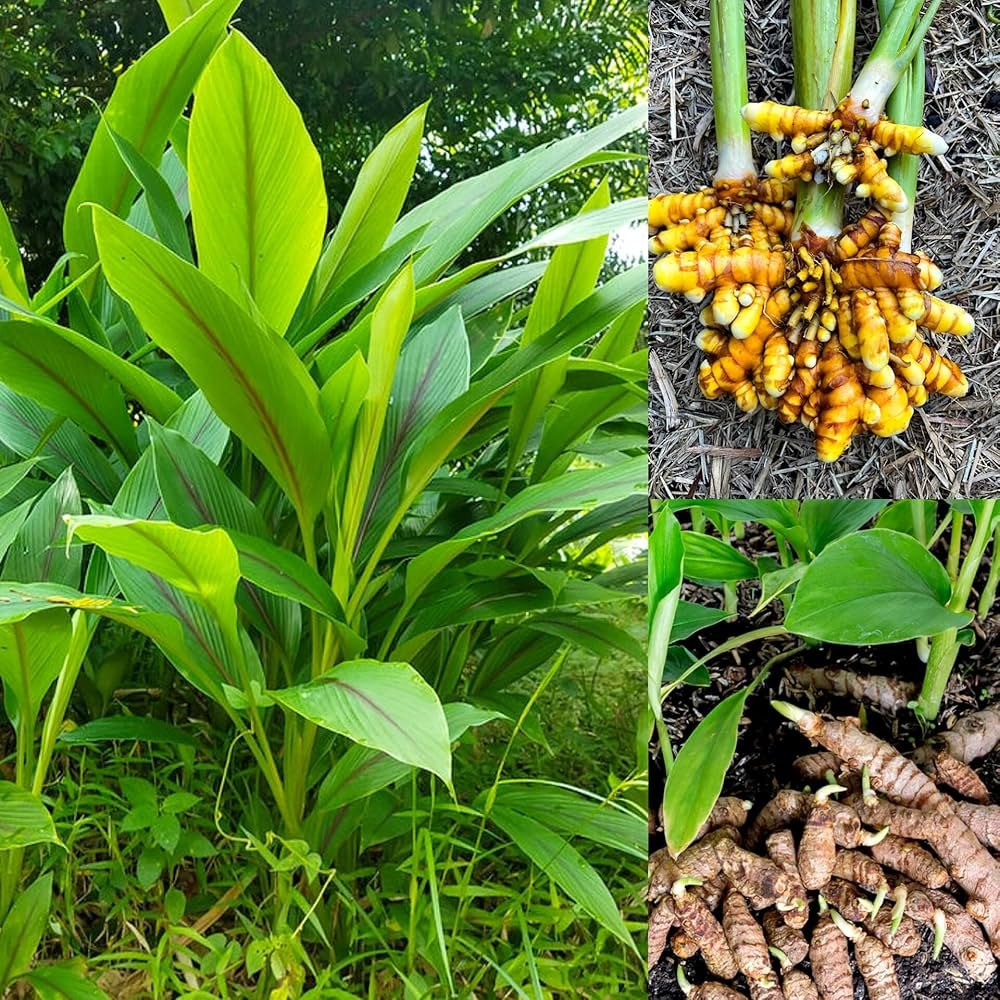
Benefits of Turmeric: For Inflammation and Digestive Health
Introduction – What is Turmeric?
Turmeric is a well-known spice and an Ayurvedic medicinal substance. It primarily contains an active compound called curcumin. In Ayurveda, turmeric is traditionally used to support digestion, skin health, and general bodily well-being.
Conditions for which it is useful:
Digestive issues
Bloating and gas
Discomfort associated with general body inflammation
General skin care
General immune health
Traditional use for minor injuries or general muscle discomfort
1. Inflammation and General Body Discomfort
Curcumin, found in turmeric, is known for its anti-inflammatory properties. Turmeric is traditionally used to address general inflammation in the body and the discomfort associated with it.
2. Digestive Health
Turmeric is used to support digestion and alleviate common issues like gas or bloating. A common way to use it is by incorporating it as a spice in meals.
Ingredients
½ teaspoon turmeric powder
1 cup milk or water
A small amount of black pepper (optional)
Preparation Method
Heat a cup of milk or water.
Add approximately ½ teaspoon of turmeric powder.
Mix well and heat for a few minutes.
Consume while warm.
A little black pepper may be added for taste.
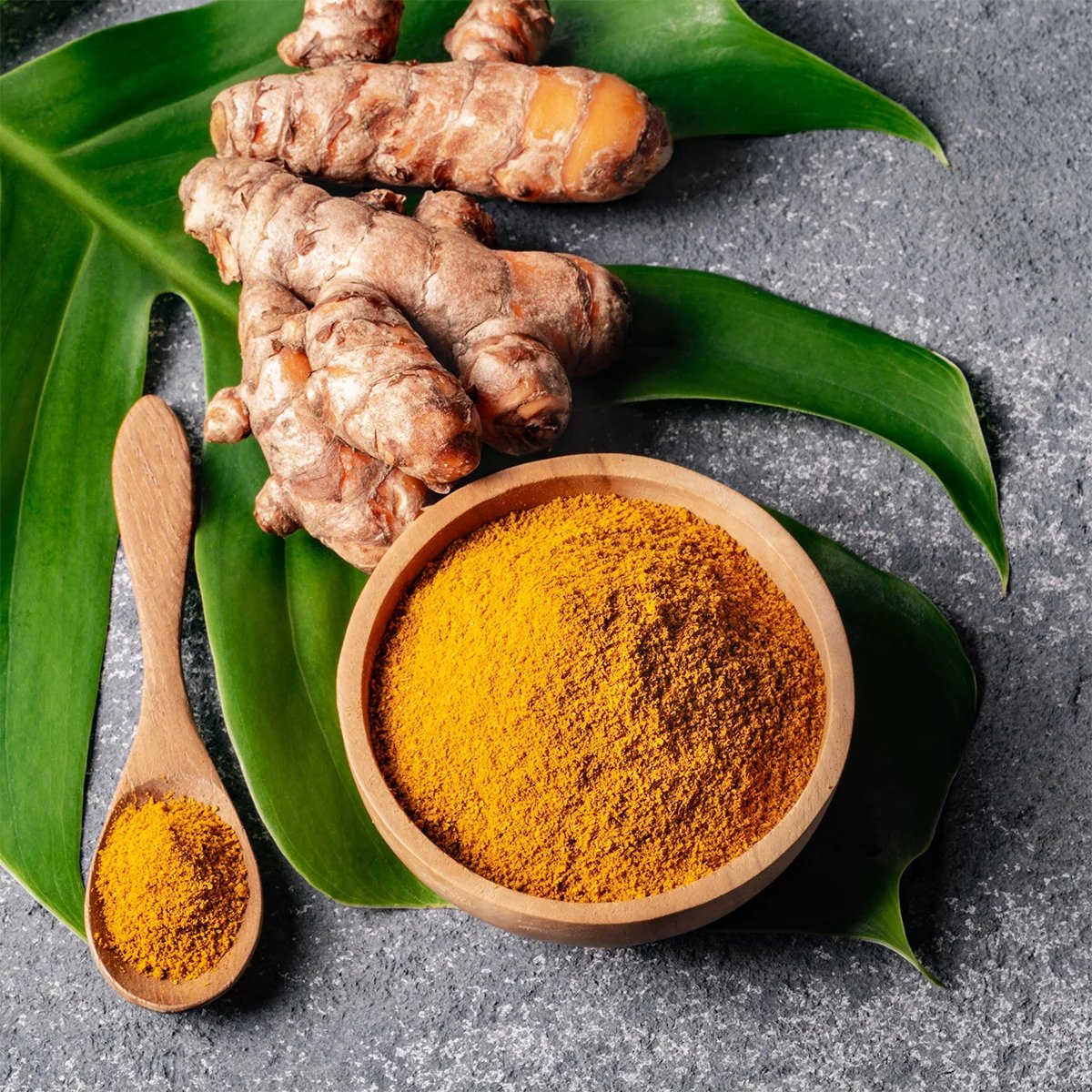
How to Use
Turmeric can be consumed in appropriate quantities as a spice in regular meals. If using turmeric powder, extract, or curcumin supplements in medicinal doses, follow the product instructions.
For healthy adults aged 18–59, the dosage of medicinal products may vary based on concentration; therefore, do not consume excessive amounts without expert advice.
Children, adolescents, pregnant or breastfeeding women, and individuals taking regular medication should consult a doctor or a qualified Ayurvedic practitioner before consuming turmeric in medicinal quantities.
Benefits of Turmeric
Supports digestive health
Helps with gas and bloating
Traditionally used for issues related to general body inflammation
General skin care
Supports overall immune health
Adds natural color and flavor to food

Safety Precautions
There is a difference between dietary amounts and medicinal dosages.
Consuming excessive amounts of turmeric may cause stomach upset.
Individuals with gallstones or gallbladder-related issues should seek medical advice.
Those taking blood-thinning medications should consult a doctor before using curcumin or medicinal turmeric products.
Consult a healthcare professional before taking medicinal dosages during pregnancy or breastfeeding.
Do not consider turmeric a substitute for prescribed medical treatment for serious illnesses.
Benefits of Mulethi
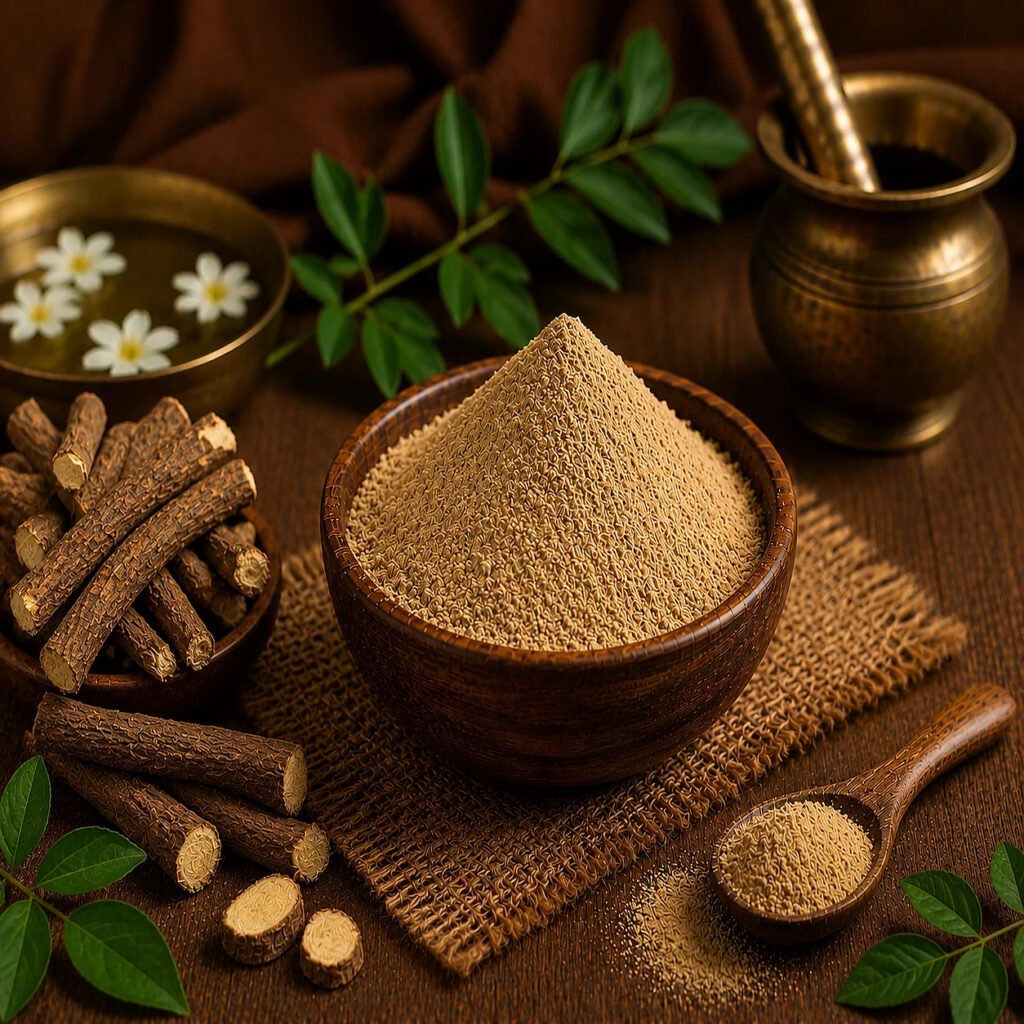
Benefits of Mulethi (Licorice): For the Throat, Cough, and Digestion
Introduction – What is Mulethi?
Mulethi is a well-known Ayurvedic herb. Its root is traditionally used to treat sore throats, coughs, and digestive issues, and to support general health.
Conditions it helps with:
Sore throat
Cough relief
Hoarseness of voice
Dryness of the throat
Indigestion and general stomach discomfort
Acidity relief
Digestive health support
1. Sore Throat and Cough
Mulethi root is traditionally used to soothe the throat and alleviate common discomforts associated with coughing. Mulethi decoction or tea is a popular home remedy.
2. Digestion and Acidity
In Ayurveda, Mulethi is used to support the digestive system. It is also traditionally used to relieve stomach irritation and discomfort associated with acidity.
Ingredients
Dried Mulethi root
Mulethi powder
1 cup of water
A little honey (as required)
Preparation Method
Take a clean, dried Mulethi root.
Cut it into small pieces or grind it into a powder.
Add a small amount to a cup of water and boil on a low flame for a few minutes.
Strain the mixture and let it cool until lukewarm.
Add a little honey if desired.
How to Use
Mulethi powder, tea, or other products should be used according to the instructions provided on the packaging. The quantity of Mulethi may vary between different products.
Dosage recommendations for healthy adults (aged 18–59) can vary depending on the specific powder product; therefore, one should not determine a specific medicinal dosage without consulting product instructions or an expert.
Children, adolescents, pregnant or breastfeeding women, and individuals taking regular medication should consult a doctor or a qualified Ayurvedic practitioner before consuming it.
Benefits of Mulethi (Licorice)
Helps soothe a sore throat
Traditionally used for coughs
Helps relieve throat dryness
Useful for common voice-related issues
Supports digestive health
Traditionally used for acidity and heartburn
Safety Precautions
Do not consume Mulethi for prolonged periods or in excessive amounts.
Excessive consumption may lead to issues such as high blood pressure and water retention.
Individuals with high blood pressure, heart conditions, or kidney problems should not consume it without medical advice.
Consult a doctor before taking medicinal doses during pregnancy or breastfeeding.
Consult a doctor first if you are taking regular medication.
Do not give medicinal doses to children without expert advice.
Consult a doctor in case of persistent cough, breathing difficulties, or severe throat problems.
Benefits of Tulsi
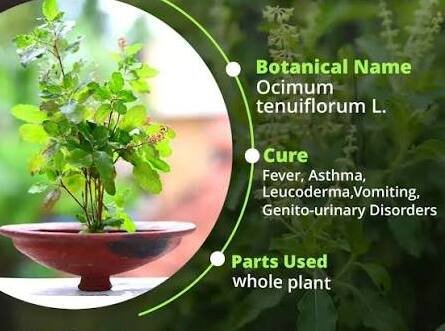
Benefits of Tulsi: For Colds, Coughs, and Respiratory Health
Introduction – What is Tulsi?
Tulsi (Holy Basil) is a renowned Ayurvedic medicinal plant. Its leaves have traditionally been used to manage colds, coughs, throat discomfort, and digestive issues, as well as to support general health.
Conditions where it is useful:
Relief from the common cold
Cough and throat discomfort
Support for respiratory health
Indigestion and gas
Relief from stress and mental fatigue
Seasonal health issues
Traditional use for boosting general immunity
1. Cold and Cough
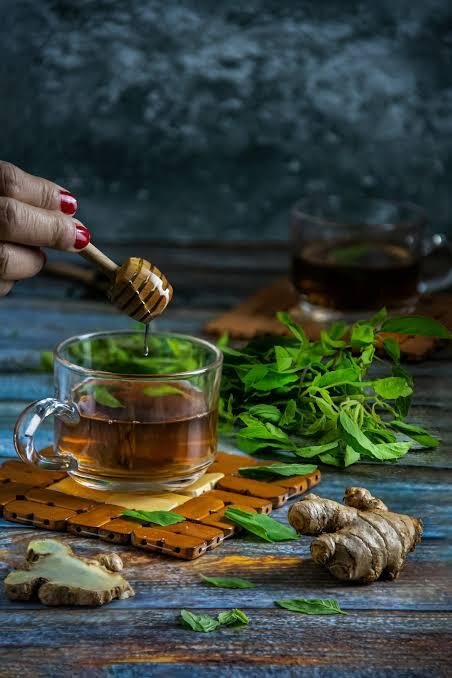
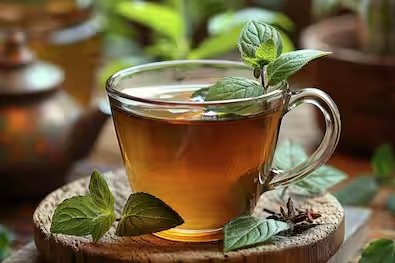
Tulsi leaves are traditionally used for colds, coughs, and general throat discomfort. Tulsi tea or *kadha* (herbal decoction) is a popular home remedy.
2. Digestive Issues
Tulsi is traditionally used to support digestion and alleviate indigestion, gas, and general stomach discomfort.
Ingredients
8–10 fresh Tulsi leaves
1 cup water
A little ginger (optional)
A little honey for taste (optional)
Preparation Method
Wash the Tulsi leaves thoroughly.
Boil a cup of water.
Add the Tulsi leaves and simmer on low heat for about 5–10 minutes.
Strain the mixture and let it cool until lukewarm.
Add a little honey for taste, if desired.
How to Use
Tulsi tea or other Tulsi products can be consumed in moderate amounts. If using Tulsi powder, extract, or any medicinal product, follow the instructions provided on the product label.
Children, pregnant or breastfeeding women, and individuals on regular medication should consult a doctor or a qualified Ayurvedic practitioner before consuming Tulsi in medicinal quantities.
Benefits of Tulsi
Helps with the common cold
Aids in relieving coughs and minor throat discomfort
Supports respiratory health
Supports digestive health
Traditionally used for gas and indigestion
Helps alleviate stress and general mental fatigue
Traditionally used for general well-being and immunity
Safety Precautions
Do not consume Tulsi in excess.
Consult a doctor before taking medicinal doses during pregnancy.
Do not give large quantities to children without expert advice.
If you are on regular medication, consult a healthcare professional before using medicinal Tulsi products.
Do not consider Tulsi a substitute for prescribed medical treatment for serious illnesses or infections.
Seek medical advice if a cough, fever, or breathing difficulty persists for a prolonged period.
Benefits of Amla
Benefits of Amla: For Digestion, Hair, and General Health
Introduction – What is Amla?
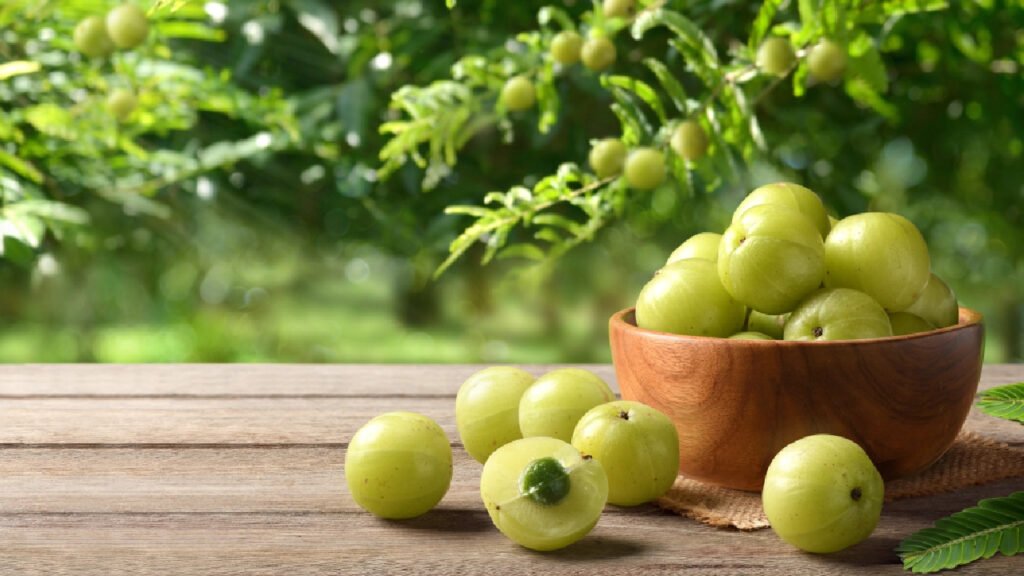
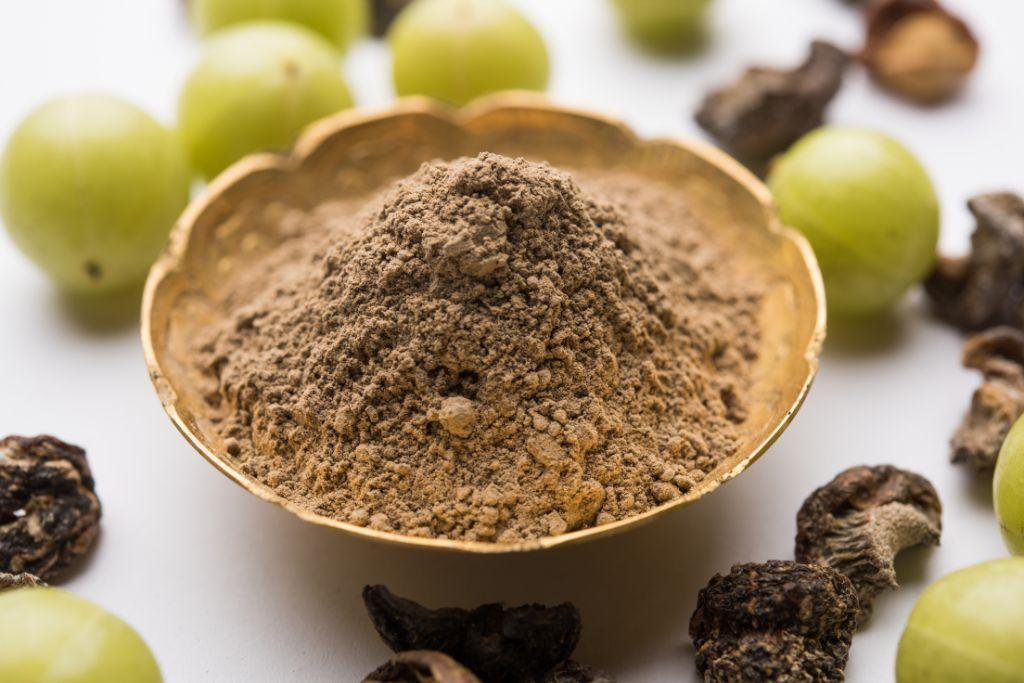
Amla (Indian Gooseberry) is a well-known Ayurvedic fruit. It is considered a rich source of Vitamin C and other nutrients. In Ayurveda, Amla is traditionally used to support digestion, hair care, and general health.
Conditions where it is useful:
Digestive issues
Relief from constipation
General body weakness
Hair care
Dryness of hair
General skin care
Nutritional support for immunity
General health and energy
1. Digestion and Constipation
Amla is traditionally used to support digestive health. Including a balanced amount of Amla in the diet can help maintain normal digestion and regular bowel movements.
2. Hair Care
Amla has long been used in traditional hair care. Amla-based oils and other products can help keep the hair and scalp healthy.
Ingredients
Fresh Amla or dried Amla
Amla powder
Water or lukewarm water (as required)
Preparation Method
Wash the fresh Amla thoroughly.
Remove the seeds and cut the fruit into small pieces.
Dry them and grind into a fine powder.
Store the prepared powder in a clean, dry, airtight container.
For medicinal purposes, it is best to use reliable, high-quality Amla products.
How to Use
Amla powder, juice, or other products should be used according to the instructions provided on the product packaging. Concentrations vary between products, so a single fixed dosage may not be suitable for everyone.
For healthy adults aged 18–59, the recommended dosage for powder products is often around 1–3 grams; however, always follow the specific dosage instructions on the product label.
Children, adolescents, pregnant or breastfeeding women, and individuals taking regular medication should consult a doctor or a qualified Ayurvedic practitioner before consumption.
Benefits of Amla
Supports digestive health
Helps relieve constipation
Provides Vitamin C and other nutrients
Beneficial for hair and scalp care
Supports overall skin health
Nutritional support for general immunity
Supports general health and energy levels
Safety Precautions
Excessive consumption of Amla may cause stomach upset.
Exercise caution if you have any food allergies.
Consult a doctor before consuming medicinal quantities during pregnancy or breastfeeding.
Do not give medicinal quantities to children without expert advice.
Individuals on regular medication should consult a doctor before consumption.
Do not consider Amla a substitute for prescribed medical treatment for any illness.
Benefits of Neem
Benefits of Neem: For Skin and General Health
Introduction – What is Neem?
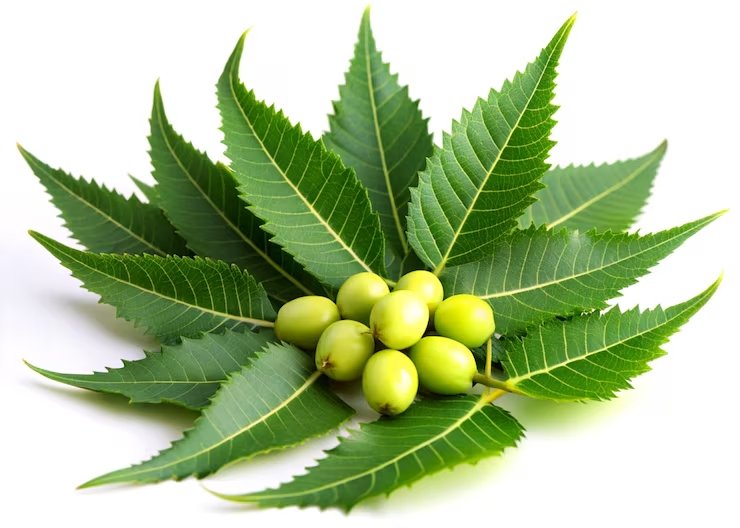
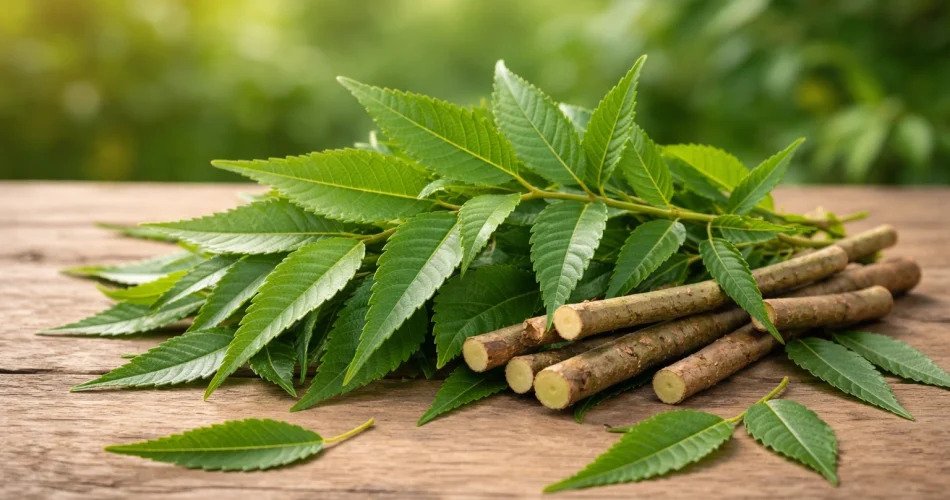
Neem is a well-known Ayurvedic medicinal plant. Its leaves, bark, and seeds have traditionally been used for skin care, hygiene, and general health.
Conditions for which it is useful:
Common skin issues
Acne and oily skin
Relief from skin itching
Skin hygiene
Gum and oral care
Traditional use for general immunity
Hair and scalp care
1. Acne and Skin Care
Neem is traditionally used for cleansing the skin and managing common skin problems like acne. Neem leaves are also used in various home-based skin care remedies.
2. Oral and Gum Care
Neem twigs have traditionally been used as *datun* (natural toothbrushes). Certain neem-based products can help maintain general oral and gum hygiene.
Ingredients
Clean and dry neem leaves
Neem leaf powder
Water (as required)
Preparation Method
Take clean and healthy neem leaves.
Wash them thoroughly and let them dry completely.
Once dry, grind the leaves into a fine powder.
Store the powder in a clean, dry, airtight container.
Prioritize using reliable, high-quality products for medicinal purposes.
How to Use
Neem should be consumed or used as a medicinal product according to the instructions provided on the specific product. Since the dosage and concentration can vary across different neem products, there is no single “correct” amount applicable to everyone.
Children, adolescents, pregnant or breastfeeding women, and individuals on regular medication should consult a doctor or a qualified Ayurvedic practitioner before consuming neem. Benefits of Neem
Supports general skin care
Traditionally used for acne and oily skin
Aids in maintaining skin hygiene
Supports oral and gum health
Cares for the scalp and hair
Traditionally used for general health
Safety Precautions
Do not consume Neem in excessive amounts.
Do not consume Neem during pregnancy without medical advice.
Do not give Neem to children without consulting an expert.
Consult a doctor first if you are on regular medication or have any health issues.
Do not ingest Neem oil unless specifically advised by a medical professional.
Perform a patch test on a small area of skin before application.
Do not consider Neem a substitute for prescribed medical treatment for serious skin or health conditions.
Benefits of Shatavari
Benefits of Shatavari: For Women’s Health and Digestion
Introduction – What is Shatavari?
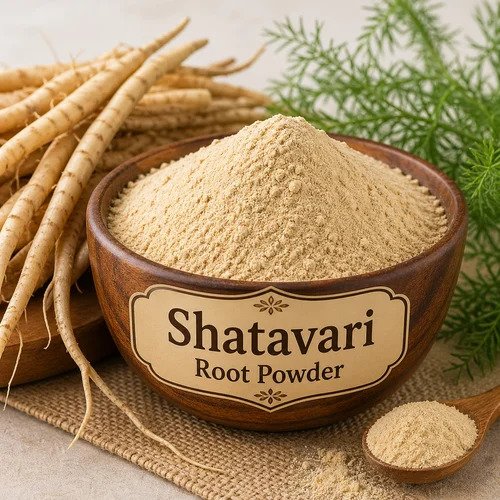
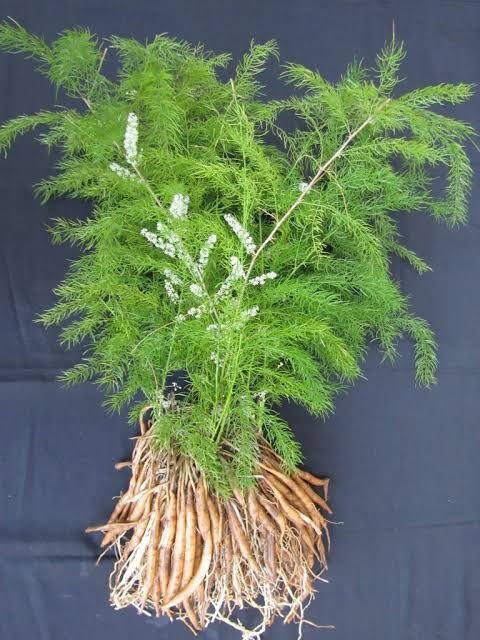
Shatavari is a renowned Ayurvedic herb. In Ayurveda, it is traditionally used to support women’s health, address physical weakness, aid digestion, and provide general bodily nourishment.
Conditions where it is useful:
Supporting women’s health
Weakness and fatigue
Digestive issues
Loss of appetite
Lack of general bodily nourishment
Relief from stress and restlessness
Traditional use for supporting lactation (breast milk production)
General health and energy
1. For Women’s Health
In Ayurveda, Shatavari is traditionally used to support women’s health and general well-being related to hormonal balance. It is also considered a herb that nourishes the body.
2. Weakness and Digestion
Shatavari is used to address general physical weakness and support digestive health. It is also considered helpful in maintaining a healthy appetite and optimal digestive function.
Ingredients
Dried Shatavari root
Shatavari powder
Warm milk or water (as required)
Preparation Method
Take well-cleaned and dried Shatavari roots.
Ensure they are thoroughly dried, then grind them into a fine powder.
Store the prepared powder in a clean, dry, airtight container.
It is safer to use a reliable product to ensure good quality and authenticity.
How to Use
Shatavari powder or other products should be used according to the instructions provided on the packaging. Dosage and concentration may vary between different products.
For healthy adults aged 18–59, a dosage of approximately 1–3 grams is often recommended for many powder products; however, the exact amount depends on the product instructions and the individual’s health condition.
Children, adolescents, pregnant or breastfeeding women, and individuals taking regular medication should consult a doctor or a qualified Ayurvedic practitioner before use. Benefits of Shatavari
Supports women’s general health
Helps with physical weakness
Supports digestive health
Aids appetite and nutrition
Beneficial for general energy and physical well-being
Helps manage stress and general fatigue
Traditionally used in Ayurveda during breastfeeding
Safety Precautions
Do not use during pregnancy without medical advice.
Consult a doctor before use during breastfeeding.
Do not administer to children without expert advice.
Consult a physician before taking Shatavari if you are on regular medication.
Excessive consumption may cause stomach-related issues.
Discontinue use and seek medical advice if allergies or unusual symptoms occur.
Do not consider this a substitute for prescribed medication for treating any medical condition.
Benefits of Giloy

Benefits of Giloy: For Immunity and Digestion
About – What is Giloy?
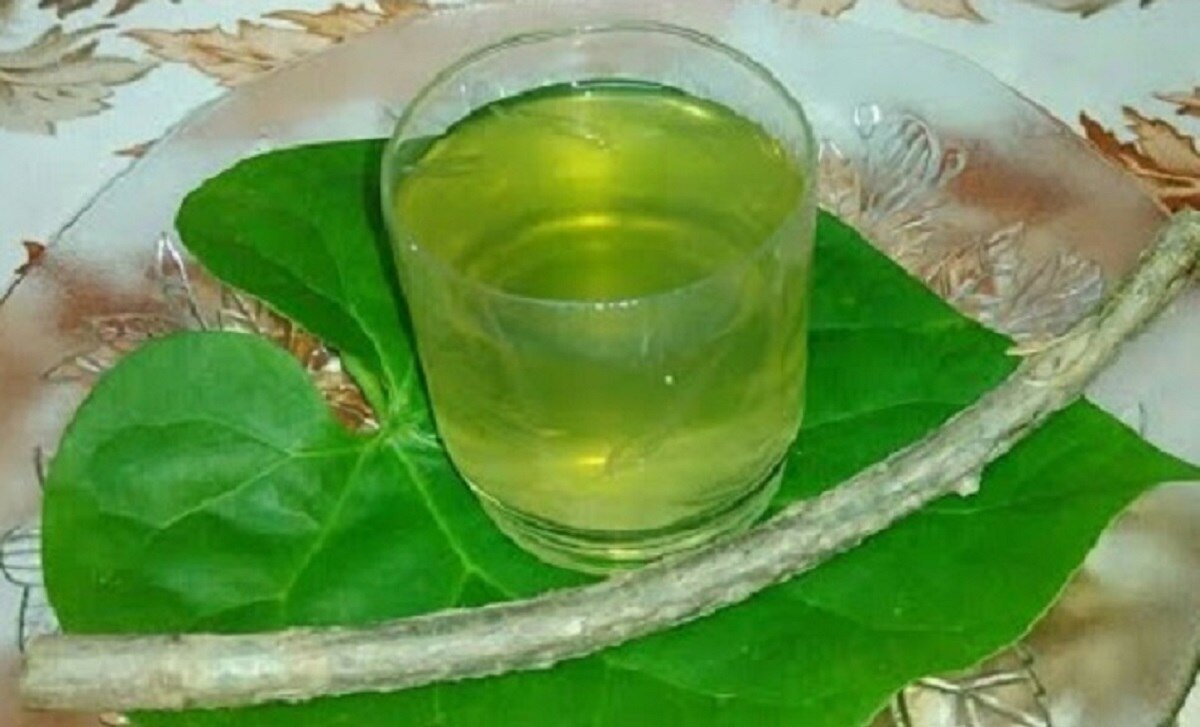
Giloy is a well-known Ayurvedic herb, also referred to as **Guduchi** in Sanskrit. In Ayurveda, it is traditionally used to support immunity, digestion, and general well-being.
Conditions Where It Is Useful
Giloy is traditionally used for the following issues:
* General weakness
* Digestive troubles
* Indigestion
* Loss of appetite
* Common seasonal ailments
* Supporting general immunity
* Maintaining overall physical health
1. Digestive Issues
Giloy is traditionally used to support the digestive system. It can help with indigestion, loss of appetite, and certain common stomach-related issues.
2. Immunity
In Ayurveda, Giloy has long been used to support the body’s natural immunity. However, it should not be considered a definitive cure for any infection or disease.
Forms/Ingredients
Giloy is used in various forms:
* Fresh or dried Giloy stems
* Giloy powder (Churna)
* Giloy extract or ready-made products
Preparation Method
Dried Giloy stems can be cleaned, cut into small pieces, and ground into a powder after thorough drying. To prepare a Giloy decoction (*kadha*) at home, one should use only clean and correctly identified Giloy.
How to Use
Giloy powder or other products should be consumed **according to the product instructions**. As the quantity and concentration of Giloy can vary between products, it is not advisable to consume a specific dosage without referring to the product details.
Children, the elderly, pregnant or breastfeeding women, and individuals on regular medication should consult a doctor or a qualified Ayurvedic expert before use. **Important:** Do not consume Giloy for extended periods or in large quantities without expert advice.
Benefits of Giloy
* May support the immune system.
* May support digestive health.
* May help with general weakness.
* May help with common issues related to appetite and digestion.
* May assist in maintaining overall health and well-being.
Safety Precautions
* Ensure correct identification of Giloy and use a reliable product.
* Do not consume in large quantities or for long periods without expert advice.
* Consult a doctor before use during pregnancy and breastfeeding.
* If you are on regular medication or have a health condition, consult a doctor or an Ayurveda expert before

consumption.
* Do not use Giloy as a substitute for medicines prescribed by a doctor for treating any illness.
Benefits of Chyawanprash
Benefits of Chyawanprash: For Immunity and Energy
About – What is Chyawanprash?
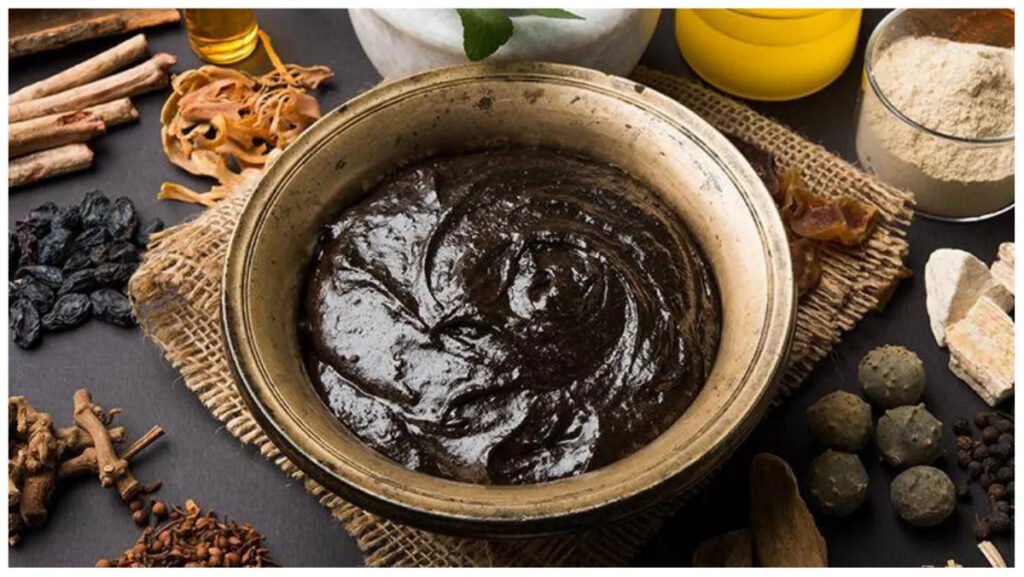
Chyawanprash is a renowned traditional Ayurvedic medicinal preparation. It primarily utilizes **Amla** (Indian gooseberry) along with various herbs, spices, and other traditional ingredients. It is consumed to support general health, energy levels, and immunity.
Conditions Where It Is Useful
Traditionally, Chyawanprash is used for the following health issues:
* General weakness and fatigue
* Common ailments associated with seasonal changes
* Common issues related to the cold and flu
* Relief from cough and throat discomfort
* Supporting digestive health
* Supporting the body’s overall immunity
* Maintaining energy and strength
1. Cold and Cough
In Ayurveda, Chyawanprash is traditionally used to support respiratory health. It is consumed as part of the diet to help manage common colds, coughs, and throat discomfort that occur during seasonal transitions.
2. Weakness and Fatigue
Chyawanprash contains Amla and various herbs; consequently, it is traditionally used to support the body’s energy and overall strength. When combined with a regular, balanced diet, it can be beneficial for general health.
Ingredients
The ingredients in Chyawanprash may vary across different products. Generally, it includes:
* Amla (Indian gooseberry)
* Honey
* Ghee (clarified butter)
* Jaggery or sugar
* Various Ayurvedic herbs
* Spices and aromatic substances
Preparation Method
Traditionally, Amla is cooked to prepare a pulp. Subsequently, Chyawanprash is made by blending this pulp with a mixture of various herbs and spices, along with ghee, honey, and other ingredients, using a specific traditional process. Preparing traditional Chyawanprash at home can be difficult; therefore, it is better to choose a “trusted and certified product” when buying from the market.
How to Use
Chyawanprash should be consumed “according to the product instructions”. Healthy adults generally take about “1–2 teaspoons” of Chyawanprash, which can be consumed directly or with lukewarm milk.
Children, the elderly, pregnant women, individuals with diabetes, or those taking regular medication should consult a doctor or a qualified Ayurveda expert before consumption.
**Important:** The content of sugar, jaggery, and other ingredients may vary across different Chyawanprash products, so be sure to check the product label.
Benefits of Chyawanprash
* May support the immune system.
* May help maintain general energy and strength.
* May help with common issues associated with seasonal changes.
* May support respiratory health.
* May support digestive health.
* May help maintain overall health and well-being.
Safety Precautions
* Individuals with diabetes should consult a doctor before choosing low-sugar or sugar-free products.
* Do not consume in excess.
* Give children only the appropriate amount based on their age.
* Check the ingredient list if you have allergies to any specific ingredients.
* Consult a doctor or Ayurveda expert before consumption during pregnancy, breastfeeding, or if suffering from any medical condition.
Benefits of Shilajit
Benefits of Shilajit: For Energy and Men’s Health
About – What is Shilajit?
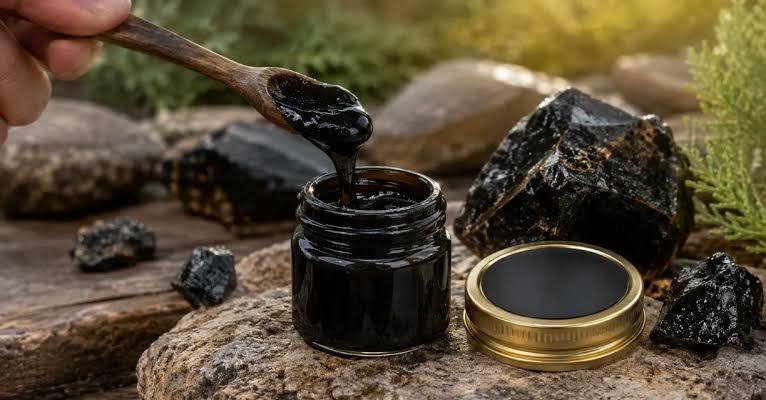
Shilajit is a natural mineral substance—a thick, sticky material primarily obtained from mountain rocks. In Ayurveda, it is traditionally used to support energy, physical strength, and general health.
Useful for the following issues
Shilajit is traditionally used for the following conditions:
* Fatigue and weakness
* Low energy
* Reduced physical stamina
* General men’s health
* Post-exercise physical recovery
* Maintaining general vitality and energy
1. Fatigue and Weakness
In Ayurveda, Shilajit is traditionally used to support the body’s energy and strength. It is a natural substance used by those suffering from general fatigue and weakness.
2. Men’s Health
Shilajit is traditionally used to support men’s energy, physical stamina, and general health. However, it should not be considered a definitive cure for any sexual or reproductive disorder.
Ingredients
* Pure Shilajit
* Lukewarm milk or water (as required)
Shilajit is available in the market in various forms such as resin, powder, and capsules.
Preparation Method
Natural Shilajit requires special purification and processing before it is fit for consumption. Purifying natural Shilajit at home is not advisable; therefore, it is better to purchase a certified, quality-tested Shilajit product.
How to Use
Shilajit should be consumed **according to the product instructions**. The quantity and purity of Shilajit can vary between different products. Even for healthy adults, consuming a specific amount without checking the product information is not advisable.
Important: Children, adolescents, pregnant or breastfeeding women, and individuals taking regular medication should consult a doctor or a qualified Ayurvedic expert before consuming Shilajit.
Benefits of Shilajit
* May support energy and general strength.
* May help with fatigue and weakness.
* May support physical stamina. * May support men’s general health.
* May support the body’s recovery after exercise.
* May help maintain general vitality and well-being.
Safety Precautions
* Use only certified and pure Shilajit products.
* Do not consume Shilajit obtained from raw or questionable sources.
* Do not administer to children or adolescents without expert advice.
* Consult a doctor before use during pregnancy and breastfeeding.
* If you are taking regular medication or have any health condition, consult a doctor or an Ayurveda expert before consumption.
Benefits of Triphala Churna
Benefits of Triphala Churna: For Digestion and Constipation
About – What is Triphala Churna?
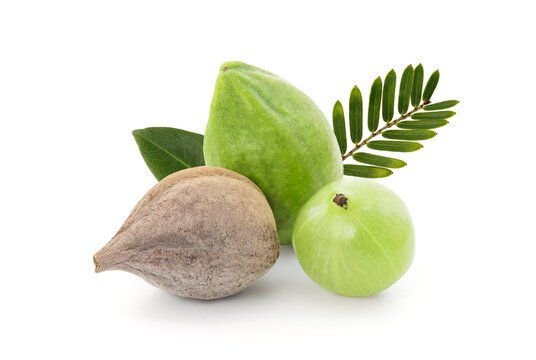
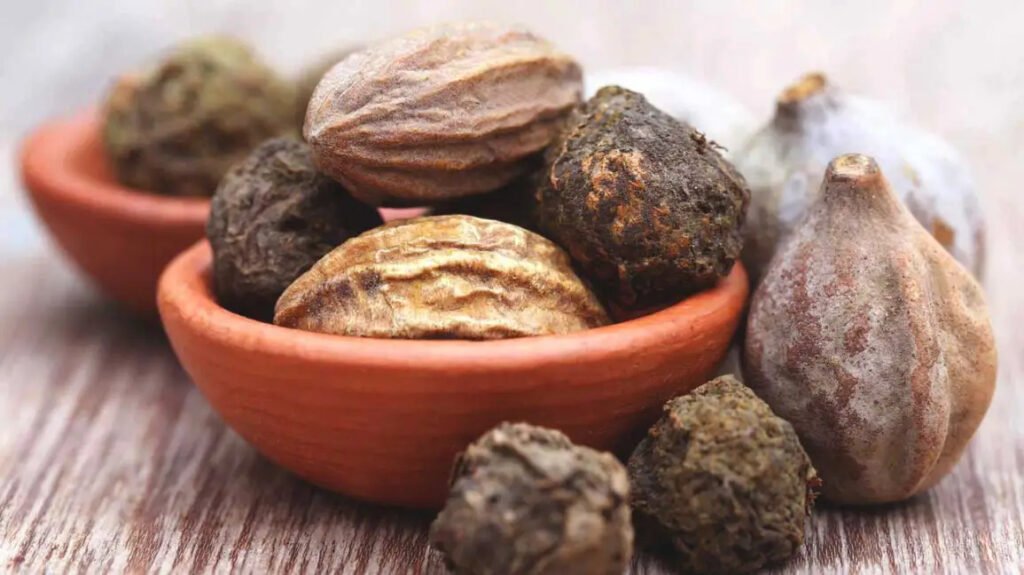
Triphala is a renowned traditional Ayurvedic medicinal preparation made from three fruits: Harad (Haritaki), Baheda (Bibhitaki), and Amla (Amalaki). It is traditionally used to support the digestive system and overall health.
Conditions where it is useful
Triphala Churna is traditionally used for the following issues:
Constipation
Indigestion
Gas and bloating
Irregular bowel movements
Digestive discomfort
Feeling of heaviness in the stomach
Supporting general digestive health
Maintaining overall bodily well-being
1. Constipation
Triphala is traditionally used for constipation and irregular bowel movements. The three fruits it contains are considered helpful in supporting the digestive system. When used alongside adequate water and fiber intake, it can be part of a healthy digestive routine.
2. Indigestion and Gas
Issues like indigestion and bloating can arise from poor dietary habits, low water intake, or irregular meal times. Triphala is traditionally used to support digestion and provide relief from these common stomach-related problems.
Ingredients
Harad
Baheda
Amla
The powder is typically prepared by taking these three ingredients in equal quantities.
Preparation Method
Harad, Baheda, and Amla are thoroughly dried and ground into a fine powder. The three powders are mixed in equal proportions and stored in a clean, dry, airtight container.
How to Use
Triphala Churna is generally consumed with lukewarm water. Healthy adults aged 18–59 years can take approximately 1–3 grams, as per the product label. Children, adolescents, the elderly, pregnant women, and individuals on regular medication should consult a qualified Ayurvedic practitioner or doctor before use. Important: Dosage and formulation may vary across different Triphala products; therefore, please refer to the product label. Consult a doctor in cases of chronic constipation, severe abdominal pain, bleeding, or unexplained weight loss.
Benefits of Triphala Churna
May support digestive health
May help relieve constipation
May support regular bowel movements
May help with indigestion and bloating
May support overall digestive wellness
Provides antioxidant nutrients due to the presence of Amla