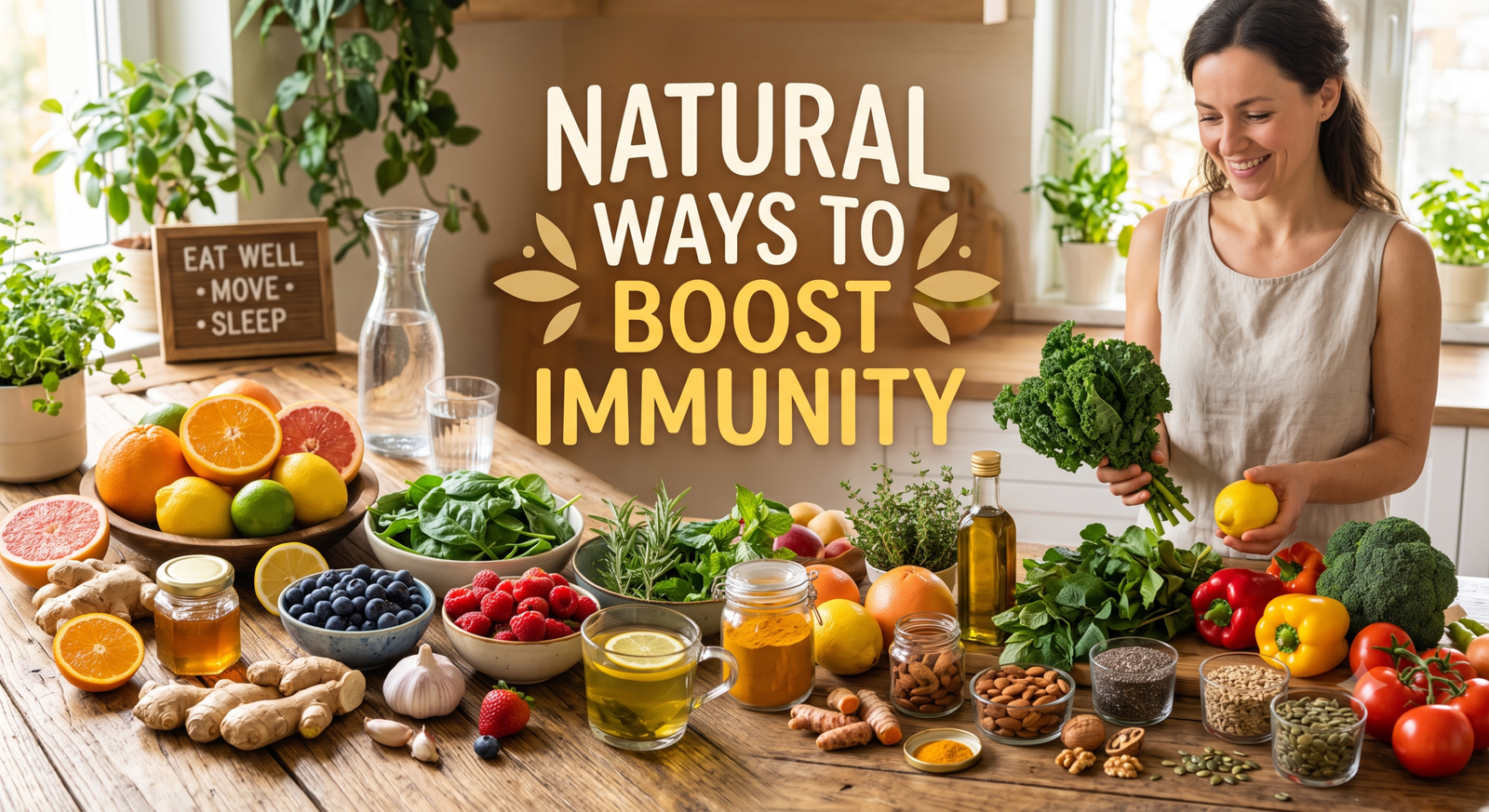
Natural Ways to Boost Immunity Through Diet and Lifestyle
People often look for a particular food, drink, or supplement that can make their immune system stronger overnight. Immunity does not work quite that way. The immune system is a complex network of cells, tissues, organs, and chemical signals, and it depends on adequate nutrition, sleep, movement, and overall health to function normally.
That is why the most practical natural ways to boost immunity focus on consistent daily habits rather than quick fixes. A varied diet can provide essential nutrients, while regular exercise, sufficient sleep, stress management, and good hydration support normal body functions.
The goal is not to create a “supercharged” immune system. It is to give your body the resources it needs to maintain healthy immune function.
Natural Ways to Boost Immunity Through Everyday Foods
A balanced diet provides vitamins, minerals, protein, healthy fats, fiber, and plant compounds that support overall health. Instead of relying on one so-called immunity-boosting food, aim for variety.
Useful choices include citrus fruits, berries, guava, bell peppers, tomatoes, leafy greens, carrots, broccoli, nuts, seeds, pulses, whole grains, eggs, dairy products, fish, and other nutritious protein sources.
Vitamin C, for example, contributes to normal immune function and can be obtained from oranges, amla, guava, kiwi, peppers, and several vegetables. Zinc is found in foods such as meat, seafood, beans, nuts, seeds, and dairy products.
Protein deserves attention as well. Immune cells and antibodies require amino acids, making adequate dietary protein an important part of a balanced eating pattern.
Natural Ways to Boost Immunity With a Balanced Plate
You do not need an elaborate meal plan to improve the nutritional quality of your diet. A practical approach is to build meals around several food groups.
For breakfast, consider oats with yogurt, fruit, nuts, and seeds. Lunch could include dal or another protein source, whole grains, vegetables, and curd. Dinner might combine vegetables with beans, paneer, eggs, fish, or lean meat.
Rather than concentrating on a single “immune-boosting” ingredient, try to eat fruits and vegetables of different colors throughout the week. This naturally increases the range of micronutrients and plant compounds in your diet.
Support Your Gut Health
The digestive system and immune system are closely connected. A diverse, fiber-rich diet helps support the community of microorganisms living in the gut.
Vegetables, fruits, whole grains, beans, lentils, nuts, and seeds provide dietary fiber. Fermented foods such as yogurt with live cultures may also fit into a balanced diet.
There is no need to purchase expensive products simply because they advertise “gut immunity.” Start with ordinary whole foods and dietary variety.
Natural Ways to Boost Immunity Through Lifestyle Habits
Nutrition matters, but it cannot compensate for consistently poor sleep or an inactive lifestyle.
Adults generally benefit from around seven or more hours of sleep per night, although individual needs vary. Keeping relatively consistent sleeping and waking times, limiting late-night screen exposure, and creating a quiet sleep environment can improve sleep habits.
Regular physical activity also supports cardiovascular, metabolic, and general health. Walking, cycling, swimming, strength training, yoga, or another activity you enjoy can make exercise easier to maintain.
If you are currently inactive, begin gradually. A 20- to 30-minute brisk walk on most days can be a realistic starting point for many adults, depending on their health and fitness level.
Manage Stress and Maintain Healthy Habits
Short-term stress is a normal part of life, but persistent stress can affect sleep, appetite, and other health behaviors.
Simple strategies such as regular exercise, spending time outdoors, breathing exercises, meditation, hobbies, and maintaining supportive social connections may help manage everyday stress.
Avoid smoking, and keep alcohol consumption limited or avoid it altogether. These choices offer benefits that extend well beyond immune health.
Common Immunity Mistakes to Avoid
One of the biggest mistakes is assuming that “natural” automatically means harmless. Taking large amounts of vitamin or mineral supplements does not necessarily provide additional immune benefits, and excessive doses of certain nutrients can cause adverse effects.
Another common mistake is replacing balanced meals with juices, detox drinks, powders, or herbal mixtures. These products cannot reproduce the nutritional variety provided by a well-planned diet.
Vitamin D is another area where individual needs can differ. Sun exposure, diet, age, skin pigmentation, health conditions, and geographic location can influence vitamin D status. If deficiency is suspected, discuss testing and supplementation with a qualified healthcare professional rather than taking high doses without guidance.
When Professional Advice Is Useful
If you experience frequent or unusually severe infections, persistent fatigue, unexplained weight changes, or other ongoing health concerns, lifestyle advice alone may not be enough.
A doctor or registered dietitian can evaluate your diet, medications, medical history, and possible nutritional deficiencies. This is particularly important before taking supplements if you are pregnant, have a chronic medical condition, or use prescription medicines.
Conclusion: Make Natural Ways to Boost Immunity Part of Your Routine
The most reliable natural ways to boost immunity are not complicated. Eat a varied and nutrient-rich diet, include adequate protein and fiber, stay physically active, prioritize sleep, manage stress, and avoid habits that negatively affect overall health.
Consistency matters more than any single “superfood.” Start with one realistic improvement—such as adding another serving of vegetables, taking a daily walk, or improving your sleep routine—and build from there.
For personalized nutrition or immune health concerns, speak with a qualified healthcare professional who can recommend an approach based on your individual needs.