Erectile Dysfunction
Erectile Dysfunction (ED) – Overview
Erectile dysfunction (ED) is a condition where a man has difficulty getting or keeping an erection that is firm enough for sexual activity. It happens when the penis does not receive enough blood or when the body cannot maintain the erection properly.
An erection is influenced by both physical and emotional factors. Feeling relaxed, confident and sexually stimulated helps the body create and maintain an erection. Sometimes temporary erection problems can happen due to stress, anxiety, tiredness, alcohol consumption, or substance use.
However, if erection problems happen frequently, it may indicate an underlying health issue. In some cases, erectile dysfunction can be an early sign of conditions such as heart disease, hormonal imbalance, or nerve problems. That’s why it is important to talk to a healthcare professional if the problem continues.
Erectile dysfunction is also commonly known as impotence.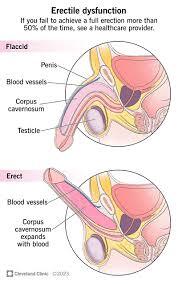
Types of Erectile Dysfunction
Healthcare professionals usually classify erectile dysfunction into several types depending on the cause:
1. Vascular Erectile Dysfunction
This is the most common type. It happens when blood flow to the penis is reduced or when the veins cannot hold blood in the penis long enough to maintain an erection.
2. Neurogenic Erectile Dysfunction
This type occurs when nerve signals between the brain and the penis are disrupted. It may be caused by injuries, pelvic surgery, radiation therapy, stroke, spinal problems, or neurological diseases.
3. Hormonal Erectile Dysfunction
Hormonal ED happens when hormone levels in the body are not balanced. Low testosterone or thyroid disorders can affect sexual performance and cause erection problems.
4. Psychogenic Erectile Dysfunction
This type is related to psychological factors such as stress, anxiety, depression, or relationship problems that interfere with sexual arousal.
How Common Is Erectile Dysfunction?
Erectile dysfunction is one of the most common sexual health issues in men. The chances of experiencing ED increase with age, especially after the age of 40.
Medical studies suggest that more than half of men between 40 and 70 years old may experience some level of erectile dysfunction during their lifetime. However, many men do not seek treatment because they feel embarrassed discussing the problem.
Symptoms of Erectile Dysfunction
Common signs of erectile dysfunction include:
-
Difficulty getting an erection
-
Being able to get an erection sometimes but not consistently
-
Losing an erection during sexual activity
-
Difficulty maintaining an erection without strong stimulation
-
Complete inability to get an erection
Home Remedies for Erectile Dysfunction (ED)
Some lifestyle changes and natural remedies may help improve erectile dysfunction, especially if the problem is mild or caused by stress, poor lifestyle habits, or low energy.
1. Regular Exercise
Physical activity improves blood circulation in the body, which is important for maintaining a healthy erection. Activities like walking, jogging, cycling, or strength training can help improve blood flow and overall sexual health.
2. Eat a Healthy Diet
A balanced diet supports heart and blood vessel health, which is closely related to erectile function. Include foods such as:
-
Fresh fruits and vegetables
-
Whole grains
-
Nuts and seeds
-
Fish and lean protein
These foods help improve blood circulation and hormone balance.
3. Maintain a Healthy Weight
Being overweight can increase the risk of erectile dysfunction. Losing excess weight through diet and exercise can help improve sexual performance and hormone levels.
4. Reduce Stress and Anxiety
Mental health plays an important role in sexual performance. Stress, anxiety, and depression can make it difficult to get or maintain an erection. Practices such as meditation, deep breathing, and proper sleep can help reduce stress.
5. Get Enough Sleep
Poor sleep can affect testosterone levels and overall health. Try to get 7–8 hours of quality sleep every night to support hormonal balance and sexual function.
6. Avoid Smoking and Limit Alcohol
Smoking damages blood vessels and reduces blood flow to the penis. Excess alcohol can also affect the nervous system and reduce sexual performance. Limiting or avoiding these habits can improve erectile health.
7. Natural Foods That May Help
Some natural foods are believed to support sexual health, such as:
-
Garlic
-
Ginger
-
Watermelon
-
Pomegranate juice
-
Dark chocolate
These foods may help improve blood flow and energy levels.
Important: If erectile dysfunction happens frequently or lasts for a long time, it is best to consult a healthcare professional. Sometimes ED can be a sign of other health problems such as heart disease, diabetes, or hormonal imbalance.
