Hidden Places in Northeast India to Visit Before They Become Crowded
Northeast India offers much more than its famous waterfalls, popular monasteries, and well-known hill stations. Beyond the usual tourist routes, you can find remote mountain villages, peaceful river valleys, unusual rock formations, and forest trails where local life continues at its own pace. These hidden tourist places Northeast India are ideal for travellers who want meaningful experiences rather than crowded viewpoints and tightly packed itineraries.
From the quiet landscapes of Arunachal Pradesh to the lesser-explored corners of Nagaland and Meghalaya, these destinations reward curious travellers with natural beauty, distinctive cultures, and opportunities to slow down. However, visiting less-developed destinations requires thoughtful planning, respect for local customs, and realistic expectations about transport and accommodation.
Here are seven places worth considering for your next Northeast India adventure.
1. Mechuka, Arunachal Pradesh: A Remote Himalayan Valley
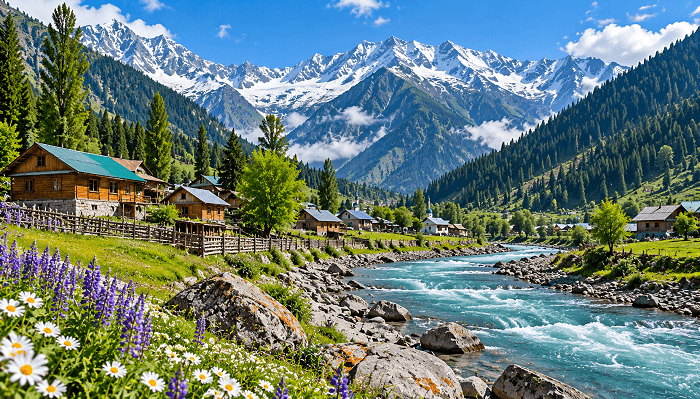
Mechuka, also spelled Menchukha, lies in the Shi-Yomi district of Arunachal Pradesh, close to the Indo-Tibetan border. Surrounded by green meadows, mountain slopes, and the Siyom River, it offers a different atmosphere from busier Himalayan destinations.
Visitors can explore traditional settlements, admire the wooden architecture of the region, and visit the historic Samten Yongcha Monastery. The surrounding landscape changes dramatically with the seasons, making the valley attractive to photographers and nature lovers.
Best for: Mountain scenery, cultural exploration, photography, and peaceful stays.
Travel tip: Reach Mechuka by road from Aalo, allowing sufficient time for a journey that can be affected by weather and road conditions. Check current entry requirements before travelling.
2. Dong Valley, Arunachal Pradesh: Experience India’s Eastern Edge
Dong Valley is among the most distinctive offbeat places in Arunachal Pradesh. Located in the Anjaw district, it is associated with India’s easternmost sunrise experiences. Travellers visit to see the first light spread across the surrounding mountains.
Reaching the sunrise viewpoint usually involves travelling to the Walong area and completing a demanding early-morning walk. The experience is less about facilities and more about the landscape, the journey, and the opportunity to witness a remarkable natural event.
Best for: Adventure travellers, sunrise photography, and remote mountain scenery.
Travel tip: Arrange local transport and accommodation in advance. Carry a torch, warm clothing, water, and suitable walking shoes.
3. Ziro’s Lesser-Known Villages, Arunachal Pradesh
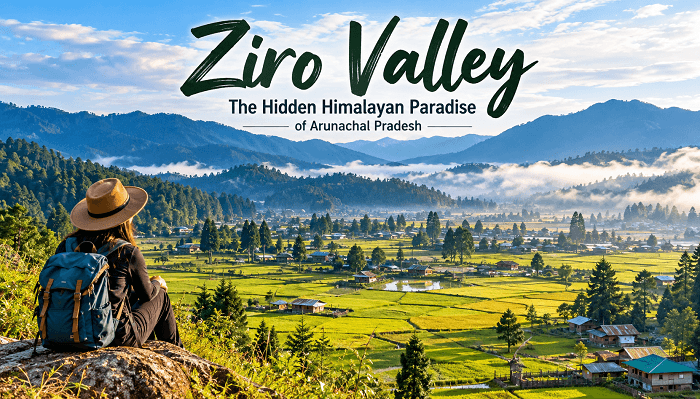
Ziro is known for its Apatani cultural landscape, but travellers often concentrate on the main viewpoints and festival season. Exploring quieter villages beyond the busiest visitor spots can provide a more personal understanding of the region.
Observe traditional homes, local agricultural practices, and the distinctive landscape of cultivated fields framed by pine-covered hills. The Apatani community has a rich cultural heritage, and visitors should approach local traditions with curiosity and respect.
Best for: Cultural tourism, gentle walks, rural landscapes, and photography.
Travel tip: Ask permission before photographing residents or private property. Consider a locally guided village walk to understand the area’s customs and agricultural traditions.
4. Mawlyngbna, Meghalaya: Waterfalls, Fossils, and Adventure
Mawlyngbna, located in the East Khasi Hills of Meghalaya, is an excellent choice for travellers seeking alternatives to the state’s busiest attractions. Its landscape combines rolling green hills, natural pools, streams, and fascinating geological formations.
One of its most interesting features is the presence of ancient marine fossils, evidence of a very different geological past. Depending on local conditions and available activities, visitors can also explore nearby waterfalls, enjoy guided walks, and experience village-based tourism.
Unlike destinations built around a single viewpoint, Mawlyngbna encourages visitors to spend time exploring the surrounding countryside.
Best for: Nature walks, geology enthusiasts, adventure activities, and community-based tourism.
Travel tip: Hire local guides for unfamiliar trails and check water levels before planning any water-based activities, particularly during the monsoon.
5. Dzukou Valley, Nagaland: A Landscape of Rolling Green Hills
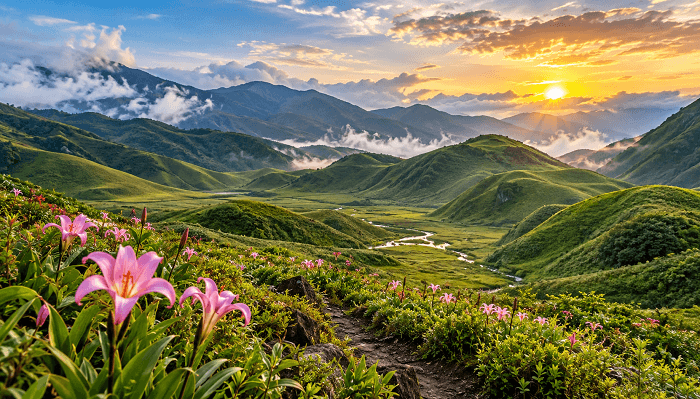
Dzukou Valley, on the border of Nagaland and Manipur, is famous for its open meadows, seasonal flowers, and mountain scenery. Although it has gained attention among trekkers, it can still offer a quieter experience when visited outside peak holiday periods.
The valley is particularly attractive during the flowering season, when the landscape becomes more colourful. The trek involves uneven terrain and changing weather, so visitors should prepare rather than treat it as a casual sightseeing stop.
Best for: Trekking, camping where permitted, landscape photography, and nature enthusiasts.
Travel tip: Start early, carry sufficient drinking water, and check local trekking rules. Avoid leaving waste behind or disturbing the fragile mountain environment.
6. Longwa, Nagaland: A Village with a Remarkable Location
Longwa, in Mon district, offers a fascinating introduction to the culture and history of the Konyak Naga community. The village is known for its location near the India–Myanmar international boundary, which passes through the broader settlement area.
Its distinctive geography attracts visitors, but the real value of a visit lies in learning about local traditions, community life, and the region’s history. Travellers should avoid reducing the village to a photo opportunity and instead allow time for respectful conversations with residents.
Best for: Cultural travel, heritage exploration, and understanding life in a border region.
Travel tip: Check current travel permissions and local security guidance before visiting Mon district. Follow photography restrictions and seek consent when documenting people or cultural spaces.
7. Unakoti, Tripura: Ancient Rock Carvings in a Forest Setting
Unakoti is an extraordinary archaeological and religious site in Tripura, known for its monumental rock carvings and sculptures set among forested hills. Its striking stone faces and sculpted figures create a setting unlike the mountain valleys and trekking destinations elsewhere in Northeast India.
Although Unakoti is an established attraction, it remains less prominent in many travellers’ Northeast India itineraries than destinations such as Shillong or Tawang. It is particularly worthwhile for visitors interested in archaeology, art, and regional religious traditions.
Best for: History enthusiasts, heritage tourism, photography, and cultural exploration.
Travel tip: Wear comfortable walking shoes and allow time to explore the site carefully. Avoid touching or climbing on fragile carvings.
How to Plan a Trip to Hidden Tourist Places Northeast India
Visiting remote destinations is rewarding, but transport, weather, and local requirements can affect your plans. A little preparation can make a significant difference.
Choose one region at a time: Combine Mechuka with other destinations in western Arunachal Pradesh, or explore Meghalaya’s countryside on a separate trip. Long distances make rushed itineraries impractical.
Check permits: Indian and foreign travellers may face different entry requirements in certain areas. Verify current rules with official authorities before departure.
Travel in suitable weather: Autumn and spring often provide favourable conditions for many outdoor activities, but the ideal season varies by destination. Monsoon rain can cause landslides and road closures.
Book local accommodation: Homestays can offer insight into local food, customs, and everyday life. Confirm availability, meals, and transport beforehand.
Respect local communities: Ask before taking photographs, follow local guidance, and avoid treating sacred or private places as unrestricted tourist attractions.
Carry essentials: Keep cash, offline maps, power banks, basic first-aid supplies, and weather-appropriate clothing with you.
Common Mistakes to Avoid
The biggest mistake is trying to cover too many destinations in a short trip. Mountain roads and remote connections often require more time than expected. Another common error is assuming that mobile networks, ATMs, fuel stations, and medical facilities will be readily available everywhere.
Travellers should also avoid visiting sensitive border areas without checking current advisories and permissions. Responsible travel means being flexible, supporting local businesses, and leaving natural and cultural sites undisturbed.
Why Choose StoryAccount for Travel Inspiration?
At StoryAccount, our aim is to help readers discover destinations, stories, and experiences that deserve more attention. Our travel content encourages readers to look beyond familiar tourist routes and explore India’s regional diversity.
Use our travel guides to identify places that match your interests, develop a realistic itinerary, and discover ideas for your next journey. Before travelling, always verify current access rules, transport arrangements, and local conditions.
Conclusion: Discover Hidden Tourist Places Northeast India Responsibly
The hidden tourist places Northeast India offers are not simply alternatives to crowded attractions. They provide opportunities to understand local cultures, appreciate fragile landscapes, and experience destinations at a more thoughtful pace.
Whether you choose the remote beauty of Mechuka, the sunrise landscapes of Dong Valley, the trails around Mawlyngbna, or the historic carvings of Unakoti, each destination has something distinctive to offer.
Start with one region, plan around local conditions, and give yourself enough time to explore without rushing. Visit StoryAccount for more travel inspiration and start planning your next offbeat Indian adventure today.
Frequently Asked Questions
1. What are the best hidden tourist places Northeast India has to offer?
Mechuka, Dong Valley, the quieter villages around Ziro, Mawlyngbna, Longwa, Dzukou Valley, and Unakoti are excellent options for travellers interested in mountains, culture, trekking, and heritage.
2. Which are the best offbeat places in Arunachal Pradesh?
Mechuka, Dong Valley, and the less-visited villages around Ziro are worthwhile choices. Your best option depends on whether you prefer mountain scenery, sunrise treks, or cultural experiences.
3. What is the best time to visit hidden places in Northeast India?
October to April can be suitable for many destinations, although conditions vary considerably. Trekking routes, high-altitude areas, and individual regions may have different seasonal requirements.
4. Do tourists need permits to visit Northeast India?
Some destinations in Arunachal Pradesh require special permits, including an Inner Line Permit for eligible domestic visitors. Foreign nationals may have separate requirements. Check the latest official rules before travelling.
5. Are hidden destinations in Northeast India suitable for family trips?
Yes, some destinations are suitable for families, particularly those with accessible roads and established accommodation. Remote trekking areas and locations with limited medical facilities require more preparation and may not suit young children or travellers with mobility limitations.