Dzukou Valley: A Complete Guide to Nagaland’s Beautiful Hidden Valley
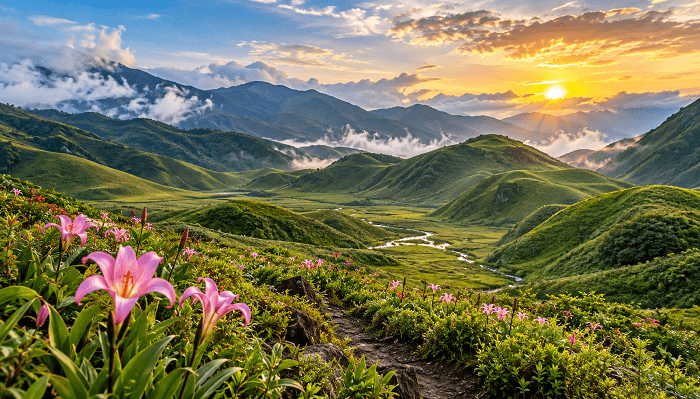
Tucked away on the Nagaland–Manipur border, is one of Northeast India’s most remarkable trekking destinations. Rolling green hills, bamboo-covered slopes, winding streams and seasonal wildflowers create a landscape that feels remarkably remote despite its proximity to Kohima.
The valley sits at roughly 2,450 metres above sea level and is accessed primarily through the Nagaland side. Unlike a conventional sightseeing destination, reaching Dzukou Valley requires a proper trek, making the journey part of the experience.
For travellers looking for quiet mountain scenery rather than crowded tourist attractions, Dzukou Valley Nagaland offers an excellent combination of adventure, nature and local culture.
Why Visit Dzukou Valley?
The biggest attraction is the valley itself. Instead of dramatic cliffs or large waterfalls, Dzukou offers expansive grasslands, rounded mountain ridges and narrow streams that wind through the landscape.
The scenery changes considerably with the seasons. During the flowering period, colourful wildflowers appear across the meadows, including the famous Dzukou Lily. In clearer and colder months, the landscape takes on a completely different character, with crisp mountain air and expansive views.
Another reason to visit is the sense of isolation. There are no roads running into the valley, and mobile connectivity is limited or unavailable in many areas. This makes Dzukou particularly appealing to hikers who want to disconnect from everyday city life.
Dzukou Valley Trek: What to Expect
The trek is generally considered moderate, but visitors should not mistake it for an effortless walk. The trail includes steep sections, uneven ground and slippery surfaces, particularly during wet weather.
The complete approach can take several hours depending on the route, walking speed, weather and starting point. The official Incredible India tourism portal describes the trek as approximately nine kilometres and around five to six hours, although actual distances vary depending on the trailhead and route used.
Viswema Route
The Viswema route is the more popular choice, particularly for first-time trekkers. A vehicle can cover part of the approach before the walking section begins, reducing the amount of strenuous climbing.
After the initial ascent, the trail opens onto more scenic ridge sections leading toward the valley. Many trekking itineraries recommend using Viswema for the ascent because it is comparatively manageable.
Jakhama Route
The Jakhama route is generally shorter but steeper. Much of the trail involves a sustained climb through rugged terrain, making it more demanding on the legs.
Experienced hikers may prefer this route, while some travellers use Viswema for the ascent and Jakhama for the descent to experience both sides of the trek.
Best Time to Visit Dzukou Valley
Choosing the right season can significantly change your experience.
June to July is particularly attractive for travellers interested in flowers, especially the Dzukou Lily. However, this period can also bring rain, muddy paths and slippery sections.
October to November generally offers clearer conditions and pleasant trekking weather, making it a good choice for hikers who prioritise views and comfortable trails.
Winter can be cold, and temperatures may fall significantly at night. Travellers visiting during colder months should carry appropriate thermal clothing and camping equipment.
In practical terms, choose the flowering season for wildflowers and lush scenery, or the clearer months for trekking comfort and mountain views.
How to Reach Dzukou Valley
The easiest starting point for most travellers is Kohima, Nagaland’s capital.
From Kohima, travellers can travel south toward Viswema or Jakhama, the two principal access points for the trek. Viswema is roughly 20–25 km from Kohima, depending on the exact starting point and route.
If travelling by air or rail, Dimapur is the main gateway to Nagaland. From Dimapur, continue by road to Kohima and arrange local transportation for the trek.
Because mountain conditions can change quickly, it is sensible to arrange transportation and a local guide before starting rather than relying on last-minute arrangements.
Where to Stay and What to Carry
Accommodation inside Dzukou Valley is basic. Trekkers can use local rest-house or camping arrangements, depending on current availability and local regulations. Do not expect hotel-style facilities.
Pack light but prepare for changing weather. Essential items include:
- Good trekking shoes with strong grip
- Waterproof jacket and backpack cover
- Warm layers
- Headlamp or torch
- Reusable water bottle
- Basic first-aid supplies
- Power bank
- Snacks and essential medicines
- Offline maps
- Sleeping bag if staying overnight
Most importantly, carry your waste back with you. The valley’s fragile ecosystem depends on responsible tourism.
Common Mistakes to Avoid
One common mistake is treating Dzukou Valley as an easy day sightseeing trip. The terrain requires reasonable physical preparation.
Another mistake is visiting without checking the weather. Rain can make steep sections considerably more difficult.
Travellers should also avoid carrying unnecessary luggage. A heavy backpack becomes uncomfortable during long climbs.
Finally, don’t assume mobile connectivity will always be available. Download important maps, keep emergency contacts accessible offline and inform someone about your trekking plan before leaving Kohima.
Conclusion: Is Dzukou Valley Worth Visiting?
Dzukou Valley is worth visiting if you want to experience one of Northeast India’s distinctive mountain landscapes away from conventional tourist circuits. Its rolling meadows, seasonal flowers, quiet trails and challenging approaches make the journey memorable.
For first-time visitors, the best approach is to plan around the weather, choose the appropriate route, carry proper trekking equipment and respect local environmental rules.
If you are planning a Dzukou Valley Nagaland trip, consider spending at least one night near the valley rather than rushing back the same day. The early morning landscape, changing mountain light and peaceful atmosphere are among the experiences that make this trek special.