Dibang Valley: Explore One of India’s Most Remote Himalayan Regions
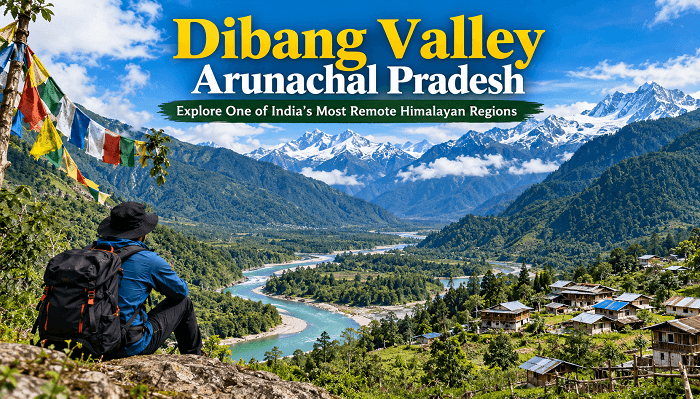
Far from crowded hill stations and conventional tourist routes, Dibang Valley Arunachal Pradesh offers a very different Himalayan experience. This remote district in northeastern India is known for dramatic mountains, dense forests, powerful rivers, high-altitude landscapes, and communities whose traditions remain closely connected to the natural environment.
For travelers looking beyond popular destinations such as Tawang or Ziro, Dibang Valley can be an extraordinary choice. The journey itself is part of the experience: roads wind through forested mountains, small settlements appear between vast stretches of wilderness, and the landscape changes dramatically with altitude.
But this is not a destination to approach like a typical weekend getaway. Travel can be demanding, weather can change quickly, and infrastructure is limited in many areas. That is precisely what makes the region special.
Whether you are interested in Dibang Valley tourism, wildlife, photography, indigenous culture, or remote Himalayan travel, this guide will help you understand what to expect and how to plan responsibly.
Where Is Dibang Valley Arunachal Pradesh?
Dibang Valley Arunachal Pradesh is located in the northeastern part of the state and is one of India’s largest districts by geographical area. The region is bordered by Tibet to the north and northeast and is characterized by rugged mountains, deep valleys and extensive forest cover.
The district headquarters is Anini, a small mountain settlement that serves as an important base for exploring the surrounding region.
Unlike heavily commercialized mountain destinations, Dibang Valley has relatively limited tourist infrastructure. You will not find long rows of hotels, busy shopping streets, or large entertainment complexes. Instead, the attraction lies in the landscape itself.
The Dibang River, one of the region’s defining geographical features, flows through the valley before eventually joining the Brahmaputra system. Numerous streams, forests and mountain slopes contribute to the area’s remarkable ecological diversity.
For travelers, this means that the destination is less about ticking off attractions and more about experiencing a remote Himalayan environment.
Why Visit Dibang Valley?
The biggest attraction of Dibang Valley Arunachal Pradesh is its combination of wilderness and cultural richness.
1. Dramatic Himalayan Landscapes
The landscape changes constantly as you travel through the valley. Forest-covered mountains rise above winding rivers, while higher areas reveal open slopes and rugged peaks.
For photographers, early morning and late afternoon can be particularly rewarding. Mist often moves through the valleys, creating constantly changing views.
2. Remote Himalayan Experience
If your idea of a memorable trip involves getting away from crowds, Dibang Valley deserves serious consideration.
The region receives far fewer tourists than many established Himalayan destinations. That relative isolation creates opportunities to experience quieter villages, mountain roads and untouched-looking landscapes.
3. Rich Wildlife
Dibang Valley forms part of an important biodiversity landscape. The wider region is associated with species such as the Mishmi takin, clouded leopard, red panda, musk deer and several Himalayan bird species.
The Dibang Wildlife Sanctuary is particularly significant for wildlife and conservation.
However, visitors should remember that wildlife sightings are never guaranteed. The value of visiting such an ecosystem is not simply whether you photograph a rare animal but whether you experience and respect its habitat.
Dibang Valley Arunachal Pradesh and Local Culture
The cultural character of the valley is another reason to visit.
The Idu Mishmi people have deep historical and cultural connections with the region. Traditional knowledge, local crafts, community practices and relationships with the surrounding environment form an important part of the area’s identity.
Travelers should approach villages and cultural sites respectfully. Ask before photographing people, homes, ceremonies or religious objects. A friendly conversation with a local resident can often teach you more about the region than a hurried sightseeing stop.
Responsible Cultural Tourism
Responsible tourism matters especially in remote destinations.
Instead of treating villages as photo backdrops, travelers should support local homestays, guides, food providers and small businesses where possible. Buying locally made products can also help tourism benefits reach communities directly.
Best Places to Explore in Dibang Valley
The region is large, and travel times can be substantial. Some places are better suited to experienced travelers than casual tourists.
Anini
Anini is the administrative headquarters and one of the most practical bases for exploring the valley.
Its peaceful setting, surrounding mountains and relatively small-town atmosphere make it a natural starting point for travelers.
Spend some time simply walking around rather than trying to rush through the town. The surrounding landscape is one of its biggest attractions.
Mawo and Surrounding Villages
Small settlements around the valley provide opportunities to understand everyday life in this remote Himalayan region.
Depending on road conditions and local guidance, travelers may be able to explore villages and viewpoints around the wider Anini area.
Dibang Wildlife Sanctuary
For nature lovers, the sanctuary is one of the region’s most important attractions.
Its enormous landscape contains forests ranging from lower elevations to alpine environments, creating habitats for a wide variety of plants and animals.
A local guide can make a significant difference when exploring wilderness areas. Guides understand local conditions, trails and regulations and can help visitors travel more responsibly.
Best Time to Visit Dibang Valley Arunachal Pradesh
Choosing the right season is important because mountain weather can directly affect road conditions and travel plans.
Generally, spring, autumn and parts of the early winter period can offer attractive conditions, although the exact experience varies from year to year.
During the monsoon, heavy rainfall can increase the possibility of landslides, road damage and travel delays. Winter can bring cold temperatures and difficult conditions at higher elevations.
Before traveling, check current road conditions and local advisories rather than relying only on a fixed seasonal calendar.
If your priority is photography, clear-weather periods can provide better mountain visibility. If your priority is greenery and waterfalls, wetter periods may offer a different landscape—but they also require greater flexibility.
How to Reach Dibang Valley
Reaching Dibang Valley is part of the adventure.
Travelers generally approach the region by road from other parts of Arunachal Pradesh. Roing is an important gateway for journeys toward the upper Dibang Valley, while Tezu and other towns can form part of broader itineraries depending on the route.
Road journeys can take considerably longer than expected because of mountain terrain, weather and road conditions.
For this reason, avoid planning a tightly packed itinerary.
A practical approach is to keep buffer days available. If a road is temporarily blocked or travel takes longer than expected, you will have flexibility without having to cancel your entire trip.
Permits and Travel Planning
Arunachal Pradesh has specific entry and travel requirements for visitors, and requirements can depend on nationality and the areas being visited.
Indian travelers should check the latest Inner Line Permit (ILP) requirements before departure. Foreign visitors may have different permit requirements and restrictions.
Because rules and administrative procedures can change, verify current requirements through official Arunachal Pradesh government sources before starting your journey.
Accommodation should also be planned in advance where possible. Options become more limited as you move farther into remote areas.
What to Pack for Dibang Valley
Packing for Dibang Valley Arunachal Pradesh requires more thought than packing for a conventional hill-station holiday.
Consider carrying:
- Warm layers and a waterproof jacket
- Comfortable trekking or walking shoes
- Basic first-aid supplies
- Personal medicines
- Power bank and spare batteries
- Flashlight or headlamp
- Reusable water bottle
- Sunscreen and sunglasses
- Insect protection
- Offline maps
- Some emergency cash
Mobile connectivity can be inconsistent in remote areas, so do not depend entirely on your smartphone for navigation or communication.
Common Mistakes Travelers Should Avoid
- Remote travel becomes much easier when you understand what not to do.
- Don’t underestimate distances. A route that looks short on a map can take many hours.
- Don’t assume every location has accommodation. Remote areas have fewer hotels and guesthouses.
- Don’t travel without checking permits. Requirements should be confirmed before departure.
- Don’t ignore weather warnings. Mountain conditions can change quickly.
- Don’t litter. Carry waste back with you, especially in areas without reliable waste-management facilities.
- Don’t photograph local people without permission. Respect for communities should be part of responsible tourism.
- Don’t build an itinerary around wildlife sightings. Nature is unpredictable, and patience is essential.
Is Dibang Valley Worth Visiting?
For travelers who want luxury resorts, nightlife and predictable transportation, Dibang Valley may not be the ideal destination.
For those seeking remote Himalayan landscapes, wildlife, indigenous culture, photography and slow travel, it can be one of the most rewarding experiences in Arunachal Pradesh.
The destination rewards preparation. A flexible itinerary, reliable local guidance, appropriate clothing and respect for the environment can make a major difference.
Perhaps the most important thing to understand is that Dibang Valley is not valuable because it is difficult to reach. It is valuable because its mountains, forests, rivers and communities deserve to be experienced without turning them into another overcrowded tourist destination.
Conclusion: Discover Dibang Valley Responsibly
Dibang Valley Arunachal Pradesh is a destination for travelers willing to slow down and embrace the uncertainty of remote mountain travel. From the forests of the Dibang Wildlife Sanctuary to the landscapes around Anini and the cultural heritage of the Idu Mishmi people, the valley offers far more than scenic photographs.
Before you go, check current permits, weather and road conditions, plan extra travel time, and consider using experienced local guides.
If you are searching for an authentic Himalayan journey away from crowded tourist circuits, Dibang Valley could be the adventure you have been looking for. Start planning carefully, travel responsibly, and leave the mountains as beautiful as you found them.