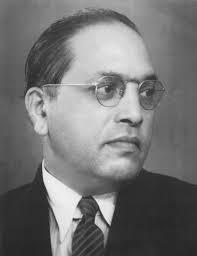
The Life & Legacy
Sardar Vallabhbhai Patel, popularly known as the “Iron Man of India,” was one of the most influential leaders in India’s freedom struggle and the chief architect of India’s political integration after independence. His life was marked by extraordinary determination, administrative brilliance, and an unwavering commitment to national unity. Patel’s contributions laid the foundation of modern India as a strong, united nation.
Early Life and Background
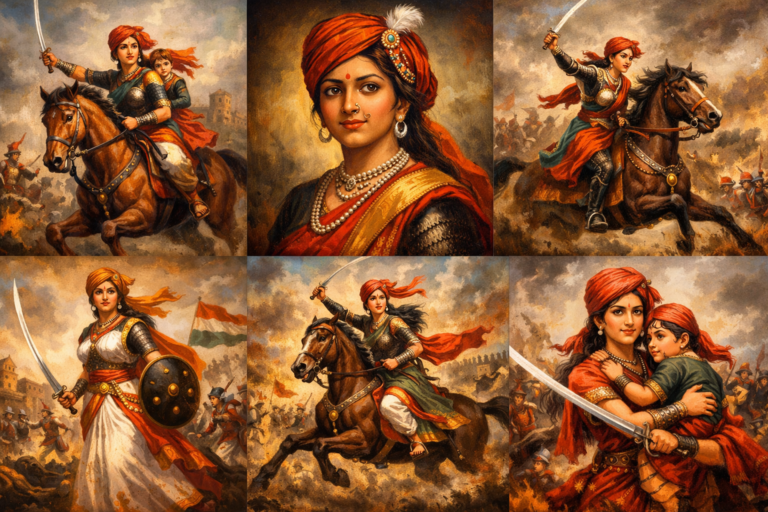
Vallabhbhai Jhaverbhai Patel was born on 31 October 1875 in Nadiad, a small town in present-day Gujarat, India. He belonged to a simple farming family. His father, Jhaverbhai Patel, had served as a soldier in the army of the Queen of Jhansi during the Revolt of 1857, which deeply influenced young Vallabhbhai’s sense of patriotism. His mother, Ladba Patel, was a deeply religious and disciplined woman.
From an early age, Patel showed qualities of leadership, courage, and self-reliance. He completed his early education in local schools and later studied law. Unlike many leaders of his time, Patel did not come from a privileged background. He worked hard, saved money, and pursued his goals with remarkable patience.
Education and Legal Career
Vallabhbhai Patel completed his law studies in India and became a successful lawyer. In 1910, he traveled to England to further his legal education. Despite limited financial resources, he completed his studies with distinction and returned to India as a highly respected barrister.
Back in India, Patel established a thriving legal practice in Ahmedabad. Known for his sharp intellect and honesty, he quickly gained fame as one of the best lawyers in the region. At this stage of his life, Patel had little interest in politics. His focus was on providing a good education to his children and leading a stable professional life.
Entry into the Freedom Movement
Patel’s life took a dramatic turn after he met Mahatma Gandhi in 1917. Inspired by Gandhi’s ideology of truth, non-violence, and self-sacrifice, Patel decided to dedicate his life to India’s freedom struggle.
His first major involvement came during the Kheda Satyagraha (1918), where farmers were suffering due to heavy taxation despite crop failures. Patel played a crucial role in organizing peasants and encouraging them to refuse tax payments peacefully. The movement succeeded, and the British government was forced to suspend tax collection.
This success established Patel as a powerful mass leader and a trusted lieutenant of Mahatma Gandhi.
Leadership in National Movements
Non-Cooperation Movement
During the Non-Cooperation Movement (1920–22), Patel gave up his lucrative legal practice and fully committed himself to the freedom struggle. He traveled extensively across Gujarat, mobilizing people to boycott British institutions and adopt Swadeshi.
Bardoli Satyagraha
Patel’s greatest achievement before independence was the Bardoli Satyagraha (1928). When the British government increased land revenue unfairly, Patel organized farmers to resist the tax hike peacefully. His strong leadership, discipline, and negotiation skills led to a major victory. The British ultimately withdrew the increased taxes.
After this success, the people of Bardoli honored him with the title “Sardar”, meaning leader or chief—a name that stayed with him forever.
Civil Disobedience Movement
Patel played a vital role in the Civil Disobedience Movement (1930) and was imprisoned several times by the British authorities. Despite harsh conditions in jail, his spirit remained unbroken. His sacrifices strengthened his image as a fearless and disciplined leader.
Role in Indian National Congress
Sardar Patel served as the President of the Indian National Congress in 1931 during the Karachi Session. Under his leadership, the Congress passed important resolutions on fundamental rights and economic policy, shaping the future vision of independent India.
Although Patel was extremely popular among Congress leaders and members, he often worked quietly behind the scenes. He believed in action over speeches and discipline over emotional rhetoric.
Contribution After Independence
Deputy Prime Minister and Home Minister
After India gained independence in 1947, Sardar Patel became the first Deputy Prime Minister and Home Minister of India. This period was one of the most challenging in Indian history due to partition, communal violence, refugee crises, and political instability.
Integration of Princely States
Patel’s most historic contribution was the integration of 562 princely states into the Indian Union. At the time of independence, these states were free to choose whether to join India or Pakistan—or remain independent.
Using diplomacy, persuasion, and when necessary, firm action, Patel successfully unified these states. Major integrations included:
-
Junagadh
-
Hyderabad
-
Jammu and Kashmir (initial accession)
Without Patel’s decisive leadership, India might have remained fragmented into dozens of small states.
Creation of All India Services
Patel strongly believed in a strong administrative structure. He played a key role in establishing the Indian Administrative Service (IAS) and Indian Police Service (IPS). He famously described civil servants as the “steel frame of India.”
Relationship with Jawaharlal Nehru
Though Sardar Patel and Jawaharlal Nehru had ideological differences, they shared mutual respect. Patel favored practicality and discipline, while Nehru leaned towards idealism and internationalism. Mahatma Gandhi often acted as a bridge between the two leaders.
Despite differences, Patel remained loyal to the Congress leadership and worked tirelessly for national unity.
Personal Life and Character
Patel lived a simple and disciplined life. After the early death of his wife, Jhaverben Patel, he devoted himself entirely to public service. Known for his iron will, Patel was also compassionate and deeply cared for farmers, workers, and refugees.
He was a man of few words but strong actions. His honesty, integrity, and courage earned him respect across political lines.
Death and Legacy
Sardar Vallabhbhai Patel passed away on 15 December 1950 in Mumbai. His death was a great loss to the nation. However, his legacy continues to inspire generations.
In 2018, India inaugurated the Statue of Unity in Gujarat—the world’s tallest statue—in his honor. This monumental tribute symbolizes Patel’s role in uniting India.
Today, Sardar Patel is remembered as:
-
The Architect of United India
-
A symbol of strength and unity
-
A model of decisive and ethical leadership
Highlight Points (Quick Summary)
-
🟢 Born on 31 October 1875 in Nadiad, Gujarat
-
🟢 Known as the “Iron Man of India”
-
🟢 Successful lawyer before joining politics
-
🟢 Inspired by Mahatma Gandhi
-
🟢 Led Kheda and Bardoli Satyagraha
-
🟢 Played key role in Non-Cooperation & Civil Disobedience Movements
-
🟢 President of Indian National Congress (1931)
-
🟢 First Deputy Prime Minister & Home Minister of India
-
🟢 Integrated 562 princely states into India
-
🟢 Founder of IAS & IPS (India’s steel frame)
-
🟢 Passed away on 15 December 1950
-
🟢 Honored by the Statue of Unity (2018)