Details:
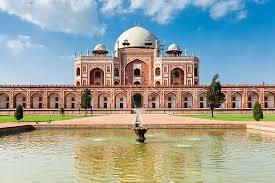
Humayun’s Tomb is an important historical monument located in East Delhi. It is the tomb of Mughal Emperor Humayun and was built in 1570 by his wife, Empress Haji Begum. This monument is considered the first garden tomb in India and is a fine example of Mughal architecture. The structure is made of red sandstone with white marble decorations, giving it a grand and elegant look.
The tomb is set in the center of a large, beautifully planned garden divided into squares by water channels, known as the Charbagh style. The design and structure of Humayun’s Tomb later inspired the construction of the Taj Mahal. The peaceful gardens, symmetrical layout, and historical importance make it one of the most admired monuments in Delhi.
Important Note:
-
UNESCO World Heritage Site
-
Entry ticket required
-
Best time to visit: Morning or evening
-
Large garden area—carry water
-
Photography allowed
Why I Visit This Place:
I visit Humayun’s Tomb to learn about Mughal history and admire the beautiful architecture. The calm environment and well-maintained gardens make it a peaceful place to explore and learn.
Highlights of Humayun’s Tomb (10 Points):
-
Tomb of Mughal Emperor Humayun
-
Built by Empress Haji Begum
-
Constructed in 1570
-
UNESCO World Heritage Site
-
First garden tomb in India
-
Made of red sandstone and white marble
-
Inspired the design of the Taj Mahal
-
Famous Charbagh garden layout
-
Peaceful and scenic surroundings
-
Excellent example of Mughal architecture